
































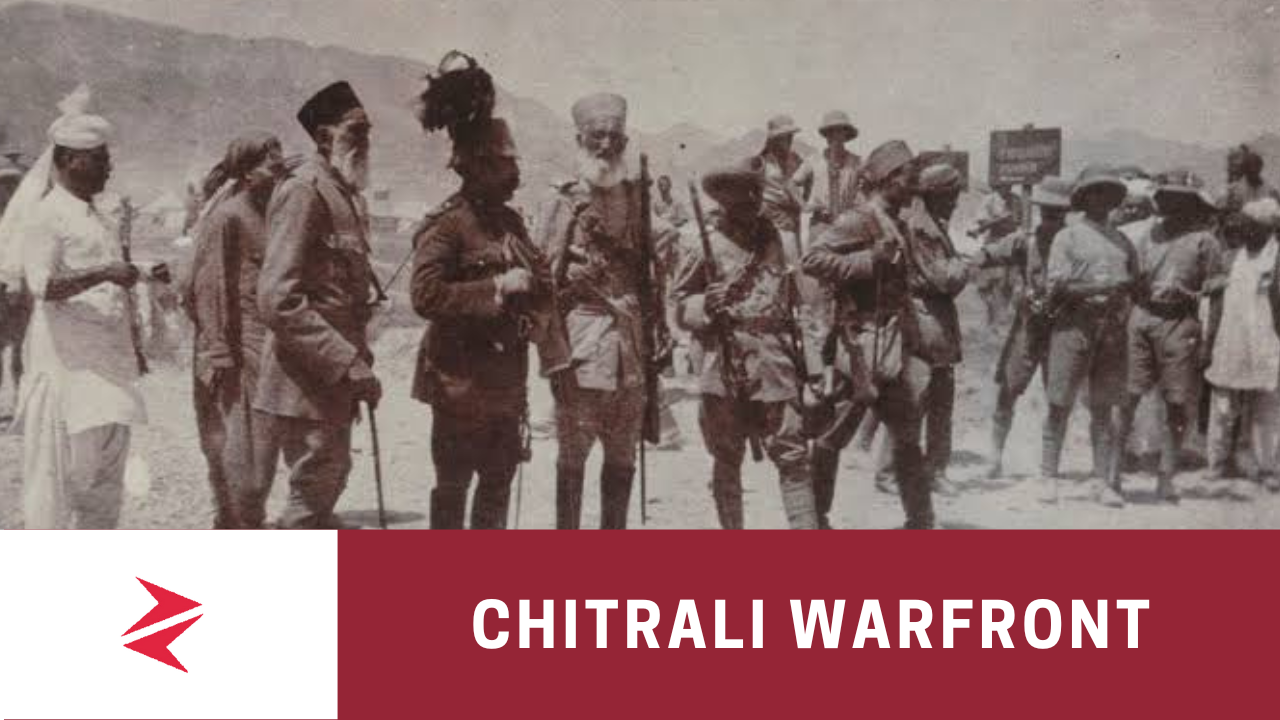
Yet, this did not mark the conclusion. Despite the signing of an armistice, numerous raids persisted and were met with resistance.
In the 1930s, the Afghans sought retribution through a comprehensive embargo on Chitral. This action dealt a lasting blow to Chitral’s burgeoning role in Central Asian trade, permanently undermining its position.
The youthful leader of the Chitrali forces eventually ascended to the position of Mehtar of Chitral. A close associate of Allama Iqbal, he was not only a learned scholar and accomplished author but also the pioneer of Chitral’s inaugural public school. In my estimation, he stands as the most remarkable Mehtar Chitral ever saw.


Chitral has been receiving an abundance of attention lately, primarily fueled by hearsay. However, our longstanding history with Afghanistan dates back centuries. Commerce, unions, population movements, and conflicts have all played a role. Throughout it all, our people have endured and demonstrated remarkable resilience.
Afghans may passionately discuss their history of resisting invasions in their homeland. However, when another nation engages in similar actions, it is often viewed with disdain. It’s important to broaden our perspective. Any region faced with an invasion from a neighboring country will naturally seek to defend itself, regardless of the invader’s identity. By the way, Ranjit Singh conducted an invasion up to the Durand Line.