









































Share the post "Exploring the Unseen Giants: Megastructures Redefining Our World"
From Power Stations to Statues: Engineering Marvels Abound

Beyond skyscrapers and towers, humanity’s quest for greatness finds expression in diverse forms. From the towering chimneys of the Ekibastuz GRES-2 Power Station in Kazakhstan to the majestic Statue of Unity in India, each structure tells a story of innovation and ambition.
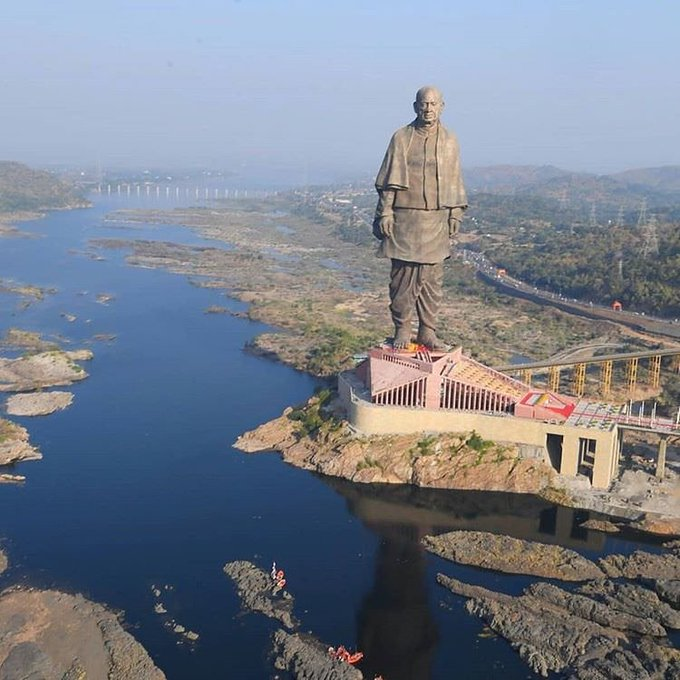
Our monuments have transformed into massive feats of engineering. For instance, the Statue of Unity in India, finalized in 2018, surpasses a towering height of 180 meters. This stature exceeds the dimensions of any previous human-made structure predating the Eiffel Tower, which marked a milestone by being the first to reach heights exceeding both 200 and 300 meters.
Tracing the Evolution of Urban Landscapes

The sprawling metropolis of Tokyo serves as a testament to the exponential growth of urbanization in the modern era. As cities expand and evolve, they become crucibles of innovation and progress, reshaping the fabric of society in profound ways.
Deciphering the Language of Architecture
At its core, the construction of megastructures reflects the values and priorities of society at large.
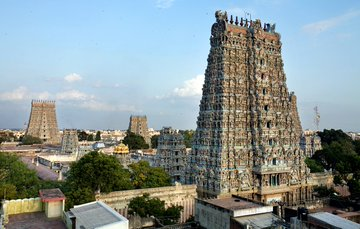
Whether religious monuments of old or bustling commercial hubs of today, each edifice embodies a unique narrative of human endeavor and aspiration.
Throughout most of human history, our largest buildings were religious sites such as cathedrals, mosques, and temples. The sheer size of these structures indicates that these societies were fundamentally religious. This deduction may seem simple, but it is undeniably true and carries significant implications.