









































Share the post "Exploring the Unseen Giants: Megastructures Redefining Our World"

One could make the case that the grandeur of cathedrals reflects the wealth and influence of the Church as an institution. Nevertheless, it’s essential to recognize that throughout history, places of worship held paramount significance. Consequently, they were often the largest and most costly structures of their time.
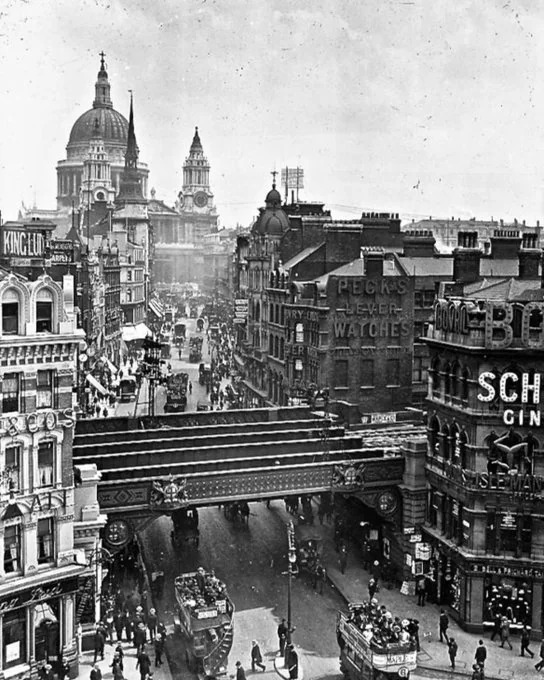
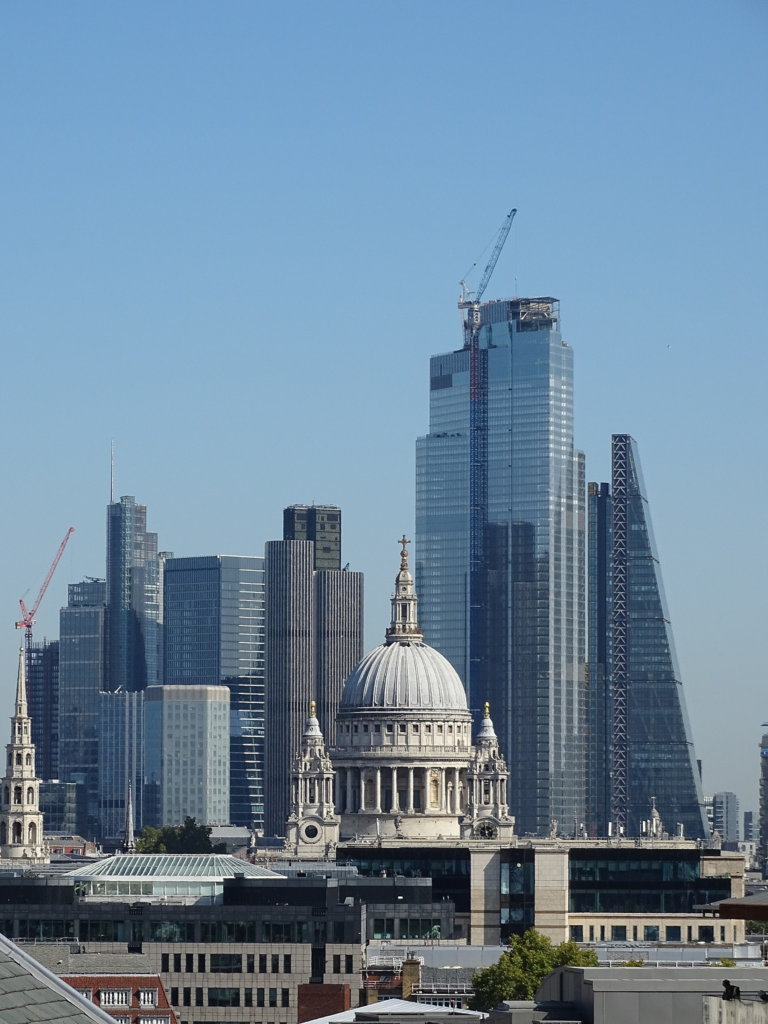
We perceive the current state of affairs as ordinary because it aligns with our familiar surroundings.
However, if we were to transport a person from the 19th century into the present day, they would struggle to comprehend the modern world. Take, for example, St Paul’s Cathedral, which formerly stood as a prominent landmark dominating London’s skyline. Today, amidst the towering skyscrapers that have emerged, St Paul’s appears diminutive in comparison.
Symbolism in Stone: Unraveling the Past

Throughout history, monumental structures have served as symbols of power, faith, and societal cohesion. From the majestic pyramids of ancient Egypt to the soaring cathedrals of medieval Europe, architecture has mirrored the collective ethos of civilizations past.
A Reflection of Contemporary Values
In the modern era, the landscape of megastructures reflects a shifting paradigm, where commerce and consumption reign supreme. From sprawling malls to bustling airports, the infrastructure of today embodies the ethos of a consumer-driven society.

Share the post "Exploring the Unseen Giants: Megastructures Redefining Our World"