





































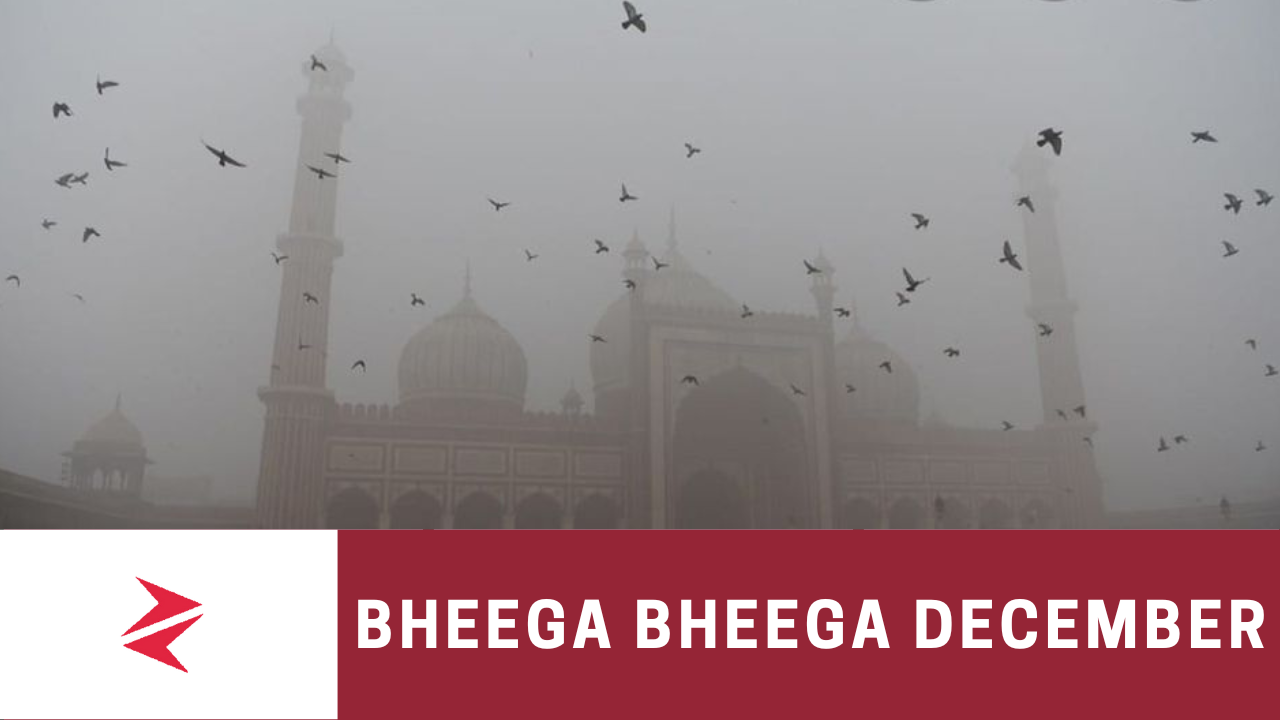
In Lahore, the familiar tune of “Bheega Bheega Sa December” has taken on a new meaning, as the city experiences rainless winters filled with thick layers of smog that linger into January and February. This shift in weather patterns has raised concerns about air quality and its impact on public health.
Now, we’ll engage in trendy discussions about smog, the Air Quality Index (AQI), pollution, etc., until March next year when the increasing temperatures are expected to (presumably) clear the air again
In the past, the smog issue might not have been as pronounced because rains would effectively cleanse the air. The wisdom of elders often speaks of “kachi sardi and pakki sardi” (raw winter and ripe winter), with the latter indicating the period after rain when the air was typically clearer. However, changing weather patterns seem to have disrupted this traditional cycle.
Social Hashtags: