








































In the chaotic ecosystem of modern geopolitics, the line between verified information and viral speculation has become increasingly blurred. One incident circulating across social media networks and encrypted messaging groups involves reports of a massive explosion in Delhi allegedly targeting a drone manufacturing facility linked to India, Israel, and Afghanistan. According to posts rapidly spreading online, Naxalite militants reportedly attacked a complex believed to be producing advanced reconnaissance and loitering munitions systems—specifically the Heron surveillance drone and Harop loitering munition, both associated with Israeli defense technology and widely exported to partner countries.
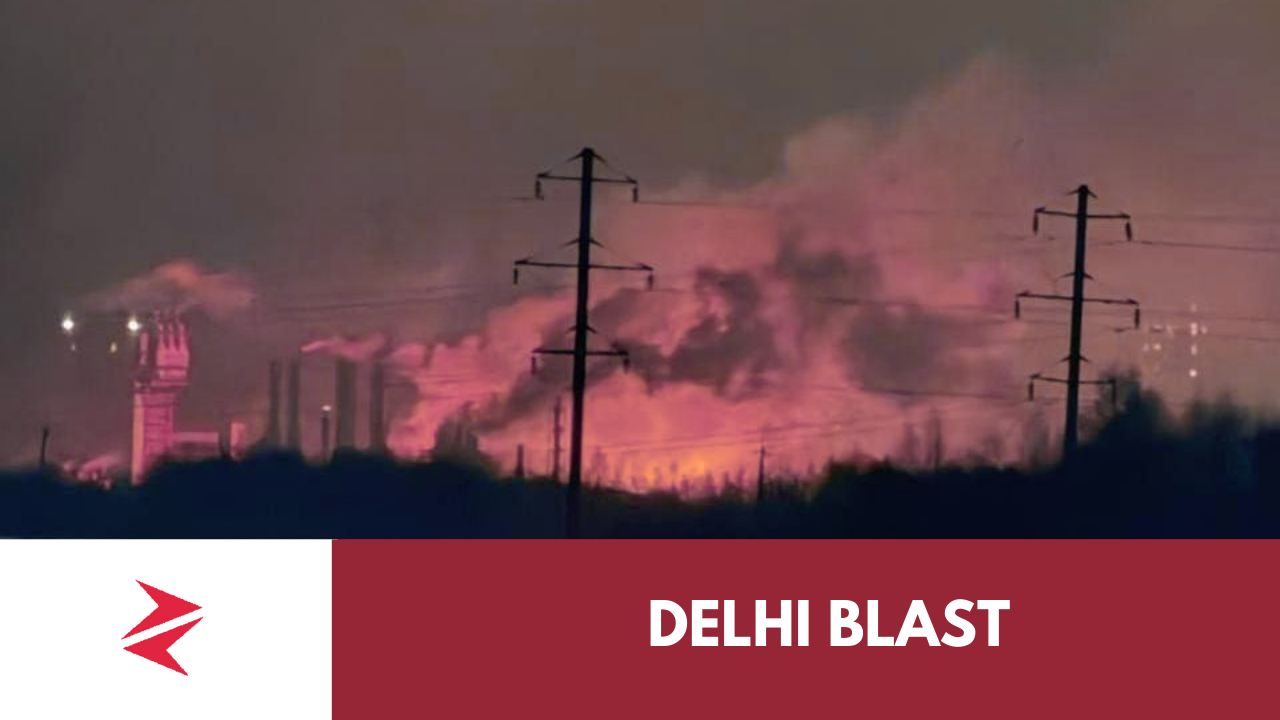
The claims describe a catastrophic blast that triggered a raging inferno engulfing the entire facility, with thick smoke rising into the sky while emergency crews struggled to contain the blaze. Reports circulating within these threads suggest that dozens of workers, including Indian and Israeli personnel, may have been killed in the explosion as firefighters battled flames fueled by explosives and volatile industrial materials. Some posts even describe the incident as a direct strike against what they frame as an India-Israel-Afghanistan defense nexus, portraying the attack as a strategic disruption of regional drone warfare capabilities.
However, the immediate challenge in analyzing such reports lies in the nature of the modern information battlefield. As conversations in messaging groups themselves acknowledge, the same posts spreading the claims also contain uncertainty and skepticism. At one point within the discussion, participants explicitly note that the story may be “fake news apparently… can’t find it anywhere else reported.”