




























Share the post “When One Voice Travels Further Than Headlines: The Caitlin Doornbos Moment in Pakistan”
Breaking into a country with preconceived narratives and leaving with lived experience is not common. Reporting from conflict zones, diplomacy corridors, and geopolitical flashpoints shapes journalists. But sometimes, the story shifts. The observer becomes part of the narrative.
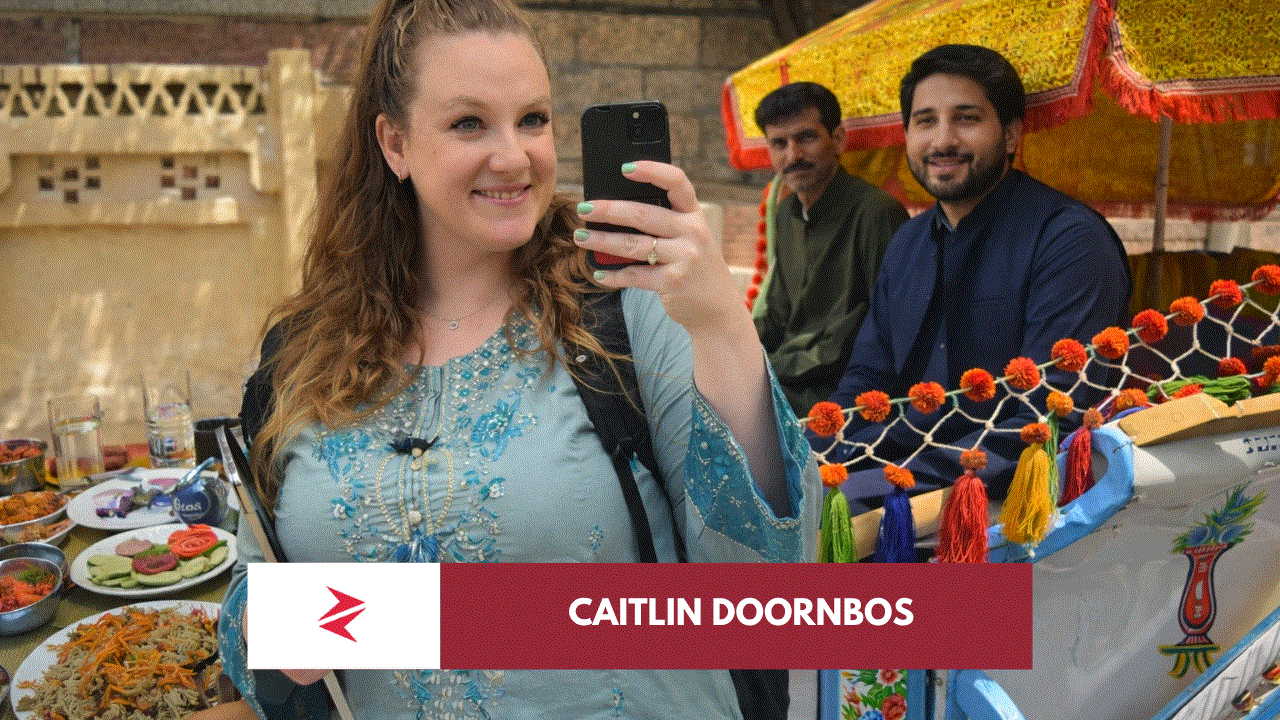
That is precisely what happened with Caitlin Doornbos.
Her visit to Pakistan did not just remain a diplomatic assignment. It turned into a cultural bridge—unscripted, unfiltered, and deeply human.
The Viral Shift: From Policy to People
Pakistan trends often follow crises, tensions, or policy debates. This time, the conversation pivoted.
A journalist covering high-stakes diplomacy paused and said something disarmingly simple: the people mattered more.
Her words—centered on warmth, respect, and human interaction—triggered a wave. Social media did not respond with skepticism. It responded with ownership.
Not of her. Of the narrative.
This wasn’t about validation from the West. It was about recognition of something Pakistanis already knew: hospitality is not performative here. It is instinctive.
Share the post “When One Voice Travels Further Than Headlines: The Caitlin Doornbos Moment in Pakistan”