































Share the post "When Shaheen Air Died – It did not become Serene Air"
The biggest mistake people make in aviation analysis is emotional. They see the same aircraft flying again and assume the airline survived. It didn’t. It never does.
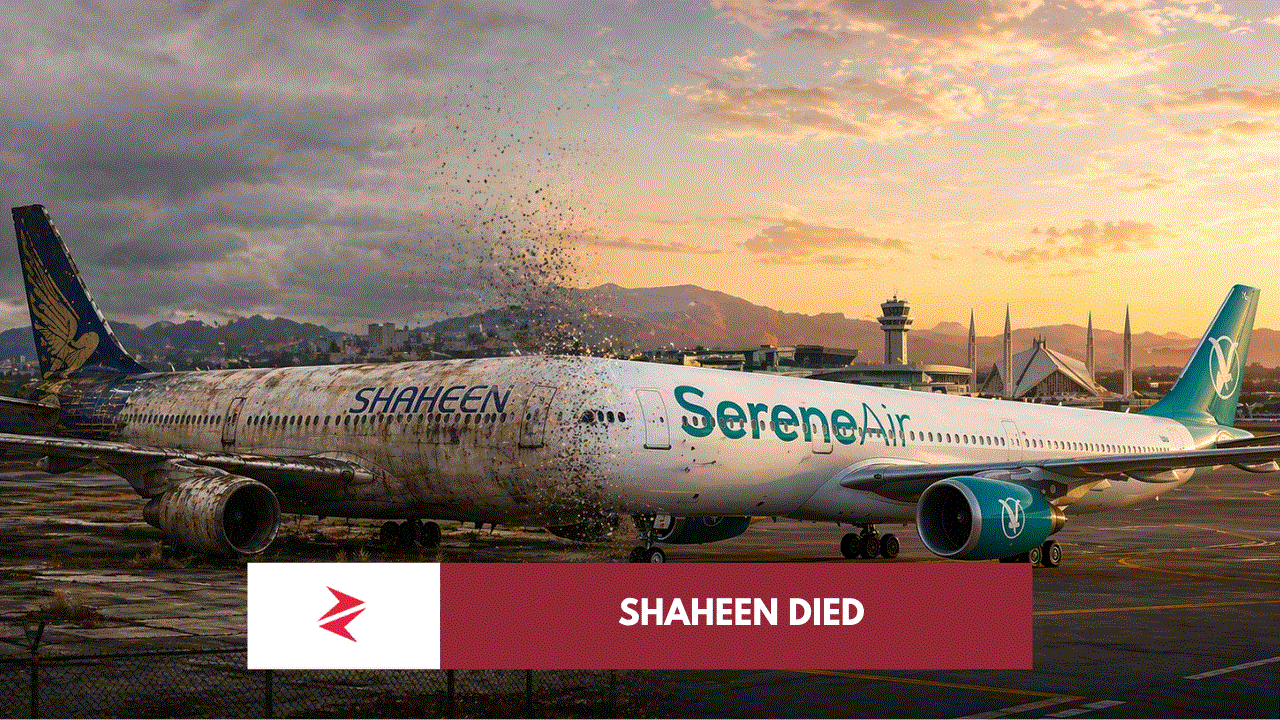
Shaheen Air didn’t “transform” into anything. It collapsed. Its aircraft were stripped from its identity and redistributed like spare parts in a system that only respects balance sheets, not brand nostalgia.
What is Happening
Yes, some of Shaheen Air’s former aircraft—particularly wide-body Airbus A330s—eventually found their way into the fleets of other operators, including Serene Air.
That is fact.
But that is where the story ends for Shaheen.
Share the post "When Shaheen Air Died – It did not become Serene Air"
if ( function_exists( 'pgntn_display_pagination' ) ) pgntn_display_pagination( 'multipage' );