







































The media advertising landscape has undergone a significant transformation over the past decade, driven by the convergence of online retail, social media, and technological advancements. As we look ahead to 2025-2026, it’s essential to understand the trends, implications, and future outlook for this rapidly evolving industry.
The Rise of Personalized Advertising
In today’s digital age, personalized advertising has become a crucial aspect of media sales. With the ability to collect and analyze vast amounts of data, advertisers can now target specific audiences with tailored messages, increasing the effectiveness of their campaigns. This trend is expected to continue in 2025-2026, with more emphasis on using AI-powered tools to personalize ads and improve customer engagement.
The Shift to Online Streaming
The rise of online streaming services such as Netflix, Hulu, and Amazon Prime has revolutionized the way we consume media. As a result, traditional TV viewing habits have declined, and advertisers are now focusing on online platforms to reach their target audiences. This trend is expected to continue in 2025-2026, with more emphasis on creating engaging digital content that resonates with viewers.
The Importance of Big Data
Big data has become a critical component of media sales, enabling advertisers to analyze consumer behavior and preferences. In 2025-2026, we can expect to see even more sophisticated use of big data analytics, including the integration of AI-powered tools to predict consumer behavior and optimize ad campaigns.
The Role of Customer Relationship Management (CRM) Software
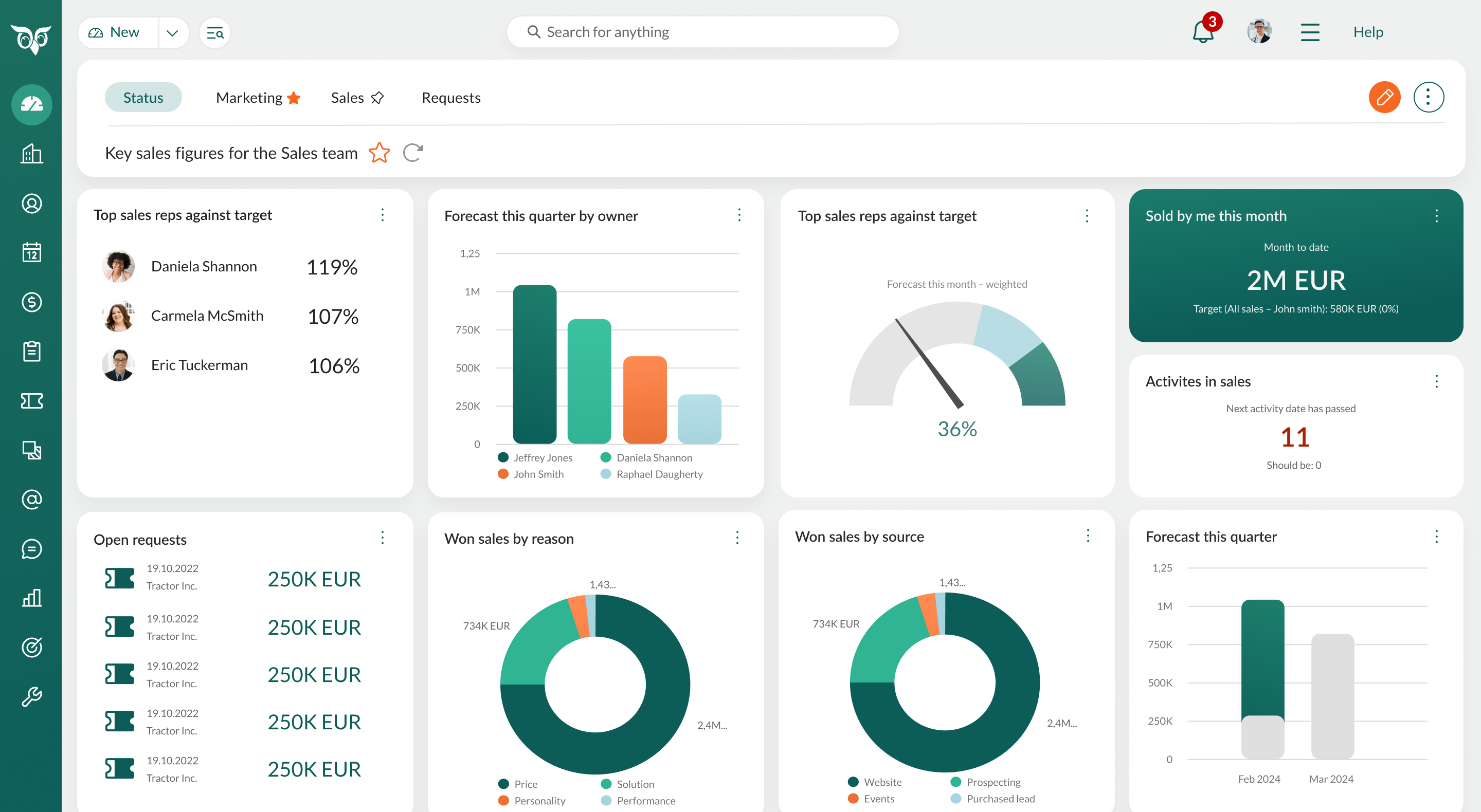
CRM software has become an essential tool for media sales professionals, enabling them to manage client relationships, track leads, and analyze sales performance. In 2025-2026, we can expect to see even more advanced CRM solutions that incorporate AI-powered tools, predictive analytics, and machine learning algorithms.