




































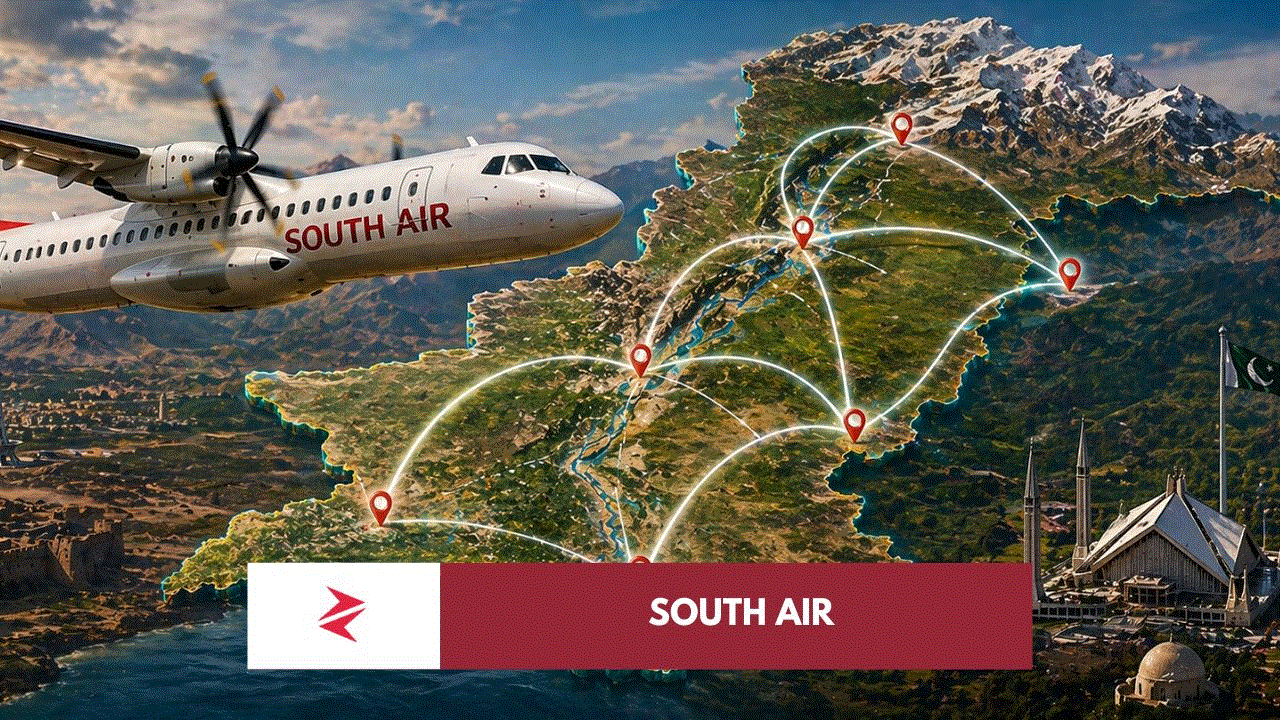
Pakistan is not getting another airline.
Pakistan is getting another test.
And if history is anything to go by, this test will not be decided by aircraft, branding, or LinkedIn excitement—it will be decided by whether South Air can survive the same brutal conditions that quietly buried its predecessors.
What is Happening
A new entrant—South Air, based in Multan—is preparing to launch operations using ATR 72 aircraft, targeting regional connectivity:
- Quetta – Panjgur – Quetta routes
- Expansion into Sukkur, Bahawalpur, Rahim Yar Khan
- Northern access to Skardu, Gilgit, Chitral
The narrative is powerful:
“Connecting the unconnected.”
And for once, the direction is strategically correct.
What It Actually Means
South Air is not trying to compete where airlines usually die.
It is trying to compete where airlines usually ignore.
That distinction matters.
Because Pakistan’s aviation problem has never been lack of demand—it has been misaligned demand.
Major airlines chase: