



























Share the post "Saudi Arabia’s Cultural Crossroads: A Dance Between Tradition and Modernity"
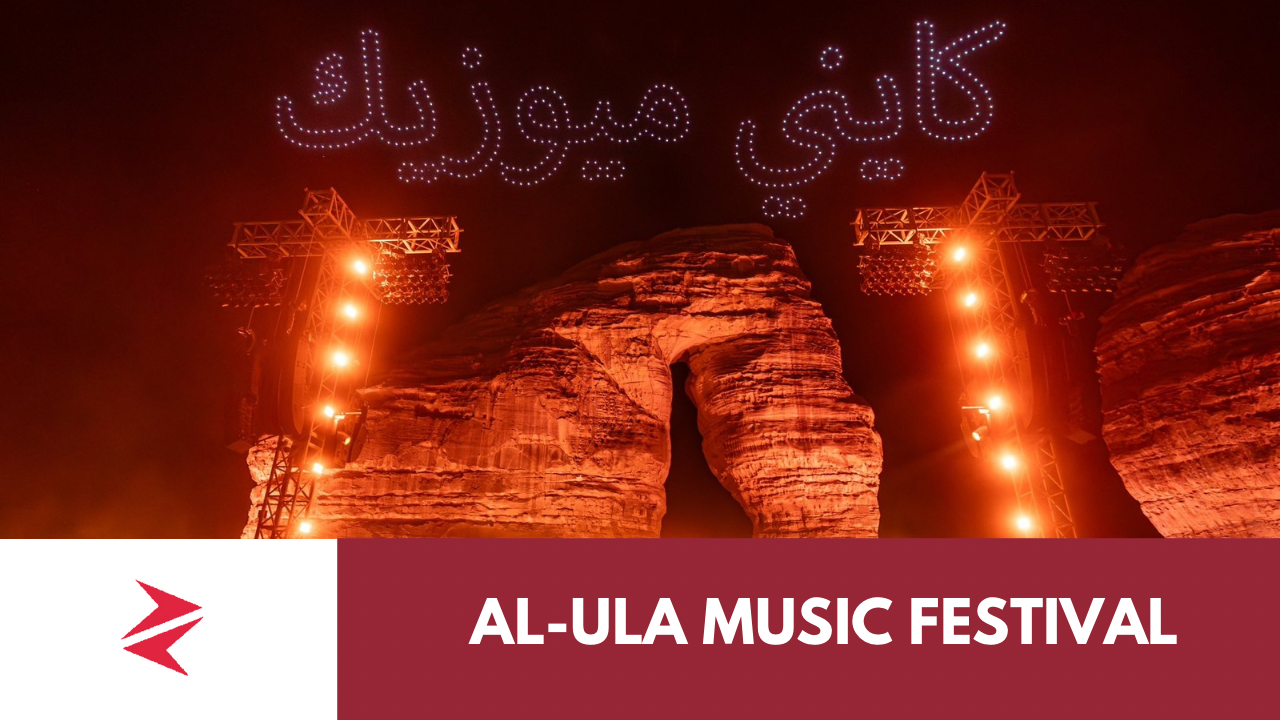
I’ve been thinking a lot about Saudi Arabia lately, a place I’ve visited and written about before. The kingdom is undergoing a transformation that feels both exhilarating and unsettling, and I can’t help but reflect on what it means for a society so deeply rooted in tradition. Picture this: a performer in a glittering, sheer bodysuit, dancing against the backdrop of a desert rock formation, with a crowd cheering her on. It’s a scene that’s sparked heated debates about whether events like these align with Islamic values, especially when figures like Sheikh Al-Sudais, the Chief Imam of Masjid al-Haram, have claimed that nothing in the kingdom violates Islamic law. I also recall how Atif Aslam, a Pakistani Singer, said his choice was not to perform in KSA due to the fact that this land is custodian of two holy mosques. It’s a moment that captures the heart of Saudi Arabia’s cultural crossroads.
The kingdom’s Vision 2030, led by Deputy Crown Prince Mohammed bin Salman, is pushing boundaries that once seemed untouchable. I read about events like Balad Beast, a music festival held in Jeddah’s historic Al-Balad, a UNESCO World Heritage site. These gatherings are drawing tens of thousands of young Saudis, blending heritage with modernity in ways that feel revolutionary. I can imagine a young accountant, perhaps a 23-year-old woman, saying, “You have to be open to new things.” I feel that sentiment deeply—progress often demands a willingness to evolve, to step into the unknown.