





































A restaurant does not burn down only when flames reach the walls; sometimes it burns much earlier, when founders treat electrical safety, quality control, customer feedback, staff training, food consistency, and business continuity like boring back-office details instead of the actual machinery that keeps a dream alive.
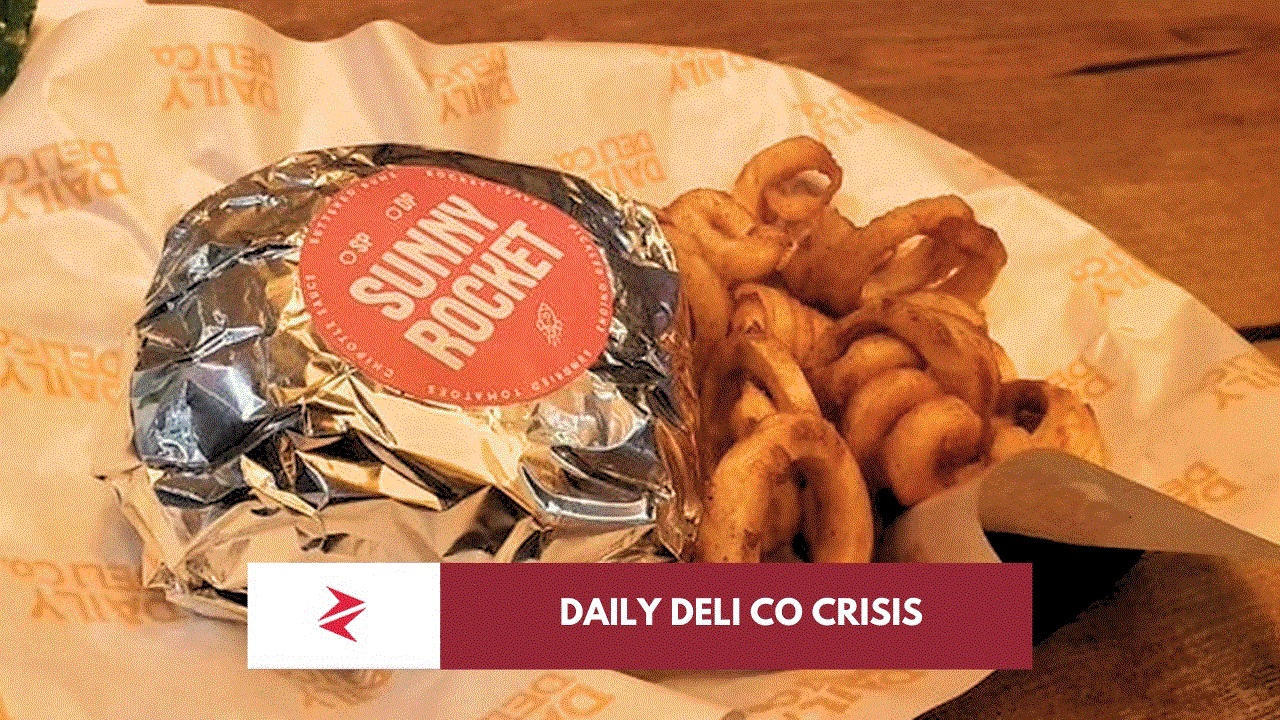
Daily Deli Co, a Pakistani fast-food chain known for beef burgers, late-night delivery, and a social-media-friendly burger culture, is exactly the kind of local brand Pakistan should study seriously, not because every experience around it is perfect, but because its story carries the full startup truth: strong product memory can create loyalty, aggressive branding can create visibility, value bundles can create repeat orders, but one short circuit, one weak quality-control episode, one inconsistent branch experience, or one ignored operational weakness can undo years of founder sweat in minutes.
The older account attached with this draft says The Daily Deli branch in Phase 5, DHA, was completely burned down because of a short circuit, and whether a reader treats that as a personal observation, a local memory, or an unverified incident note, the business lesson remains painfully real for Pakistani restaurants: fire risk is not a “technical issue” hidden somewhere behind the counter; it is a founder-level survival issue. The National Fire Protection Association describes itself as a global resource focused on reducing death, injury, property damage, and economic loss from fire, electrical, and related hazards, and even though Pakistani restaurants operate in a different regulatory environment, the principle is universal: electrical load, wiring, breakers, kitchens, signage, HVAC, delivery operations, and backup power must be treated as core business infrastructure, not repair-after-failure expenses.











Wan AI
July 6, 2026 at 11:03 am
What stood out to me is the idea that trust is much harder to build than it is to generate attention. A brand can recover from operational setbacks or marketing hype, but if customers start questioning consistency or transparency, rebuilding confidence takes much longer. It will be interesting to see whether Daily Deli Co focuses on earning long-term loyalty instead of chasing short-term buzz.