















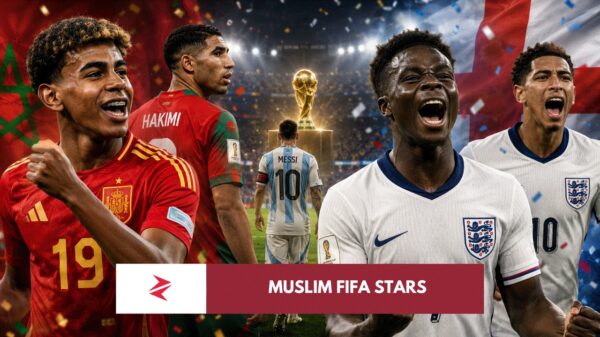






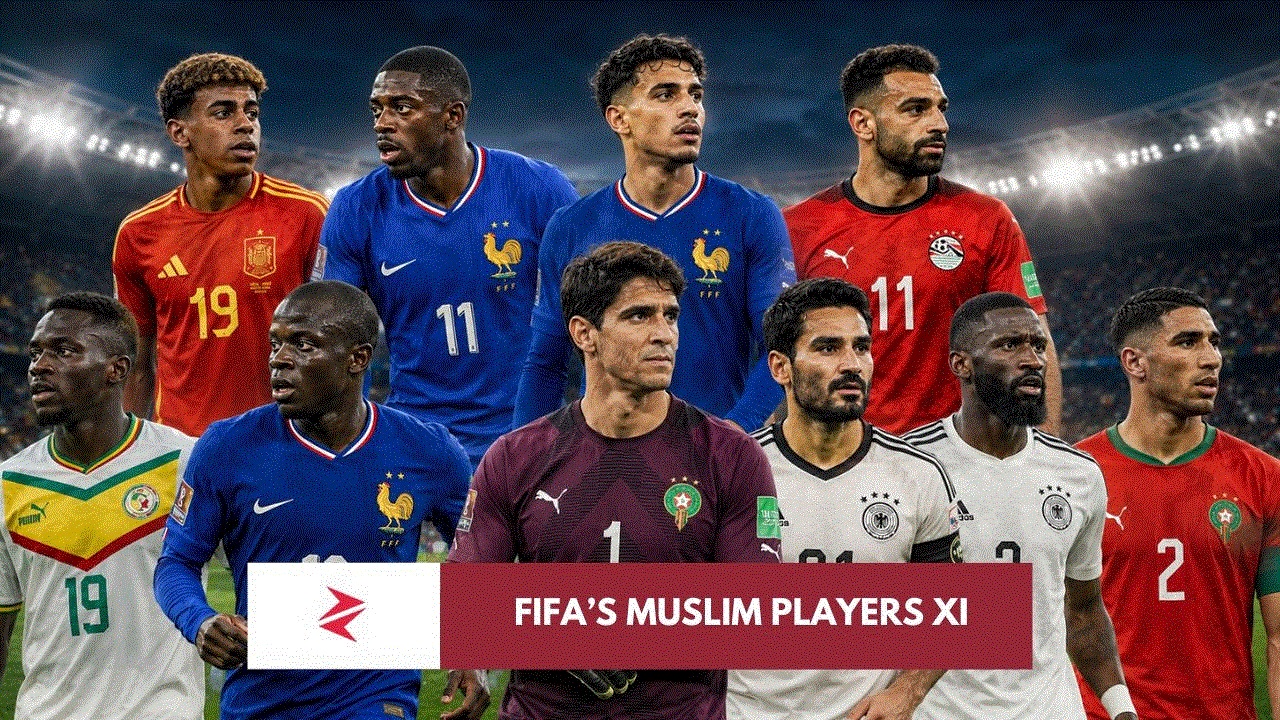
The lazy way to read a World Cup is to look at flags and stop there, as if football talent belongs neatly inside borders, as if identity does not travel through migration, family, language, culture and inherited memory, and as if the modern game has not already told us what politics still pretends not to understand: the Muslim football footprint is global, not regional.
That is why Article 2 of this series expands the frame. Article 1 looked only at Muslim-majority nations, but this article asks the bigger question: if we include Muslim-heritage players from all 48 World Cup nations, including France, Germany, Spain, the United States, Canada and the Netherlands alongside Morocco, Senegal, Algeria, Egypt, Iran and Bosnia, what does the strongest XI look like after the group stage?
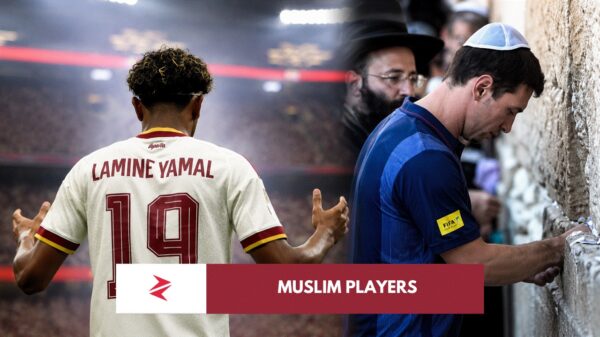
This is where the conversation becomes sharper. Because once the net widens, the squad is no longer just good. It becomes frightening. Lamine Yamal from Spain, Ousmane Dembélé from France, N’Golo Kanté from France, Ilkay Gündoğan from Germany, Antonio Rüdiger from Germany, William Saliba from France, Achraf Hakimi from Morocco and Yassine Bounou from Morocco are not sentimental inclusions. They are elite tournament-level footballers whose national teams either dominated their groups, survived difficult paths, or directly shaped the Round of 32 picture.
The selection criteria remain strict. This is not a reputation contest and not a club-career award. The article considers only World Cup 2026 performance context, especially goals that directly changed results, match-winning assists, defensive actions that preserved wins or draws, goalkeeping saves preventing elimination, overall influence on qualification, tactical importance, consistency rather than reputation, and group-stage relevance. Where exact player-level event data is not fully public in the supplied tables, the article distinguishes clearly between validated team outcomes, public player-stat snapshots, and tactical interpretation.
The group-stage table supplied for this article gives the hard tournament backbone. France finished Group I with three wins from three, scoring 10 and conceding only two. Spain won Group H with seven points, five goals scored and zero conceded. Germany won Group E with 10 goals scored. Morocco finished level with Brazil on seven points in Group C. Belgium and Egypt both progressed from Group G. Senegal, Algeria, Ghana, DR Congo, Bosnia and Herzegovina, Côte d’Ivoire and Cabo Verde also reached the Round of 32 through different routes. That wider map matters because Muslim-heritage contribution is not concentrated in one camp. It is distributed across the tournament’s power centers and its survivors.








AI Music Generator
June 30, 2026 at 10:45 am
I like that the selection highlights how widespread Muslim footballing heritage is across World Cup history instead of focusing only on the biggest names. It would also be interesting to see a short explanationBlog Comment Creation Tips for some of the more difficult selections or honorable mentions, since those choices often spark the best discussions among football fans.