






































Share the post “Slow strike rate Babar Azam shown his actual worth despite being highly paid at BBL”
Five words. One viral clip. And a reality check that no reputation survives an open-market T20 league.
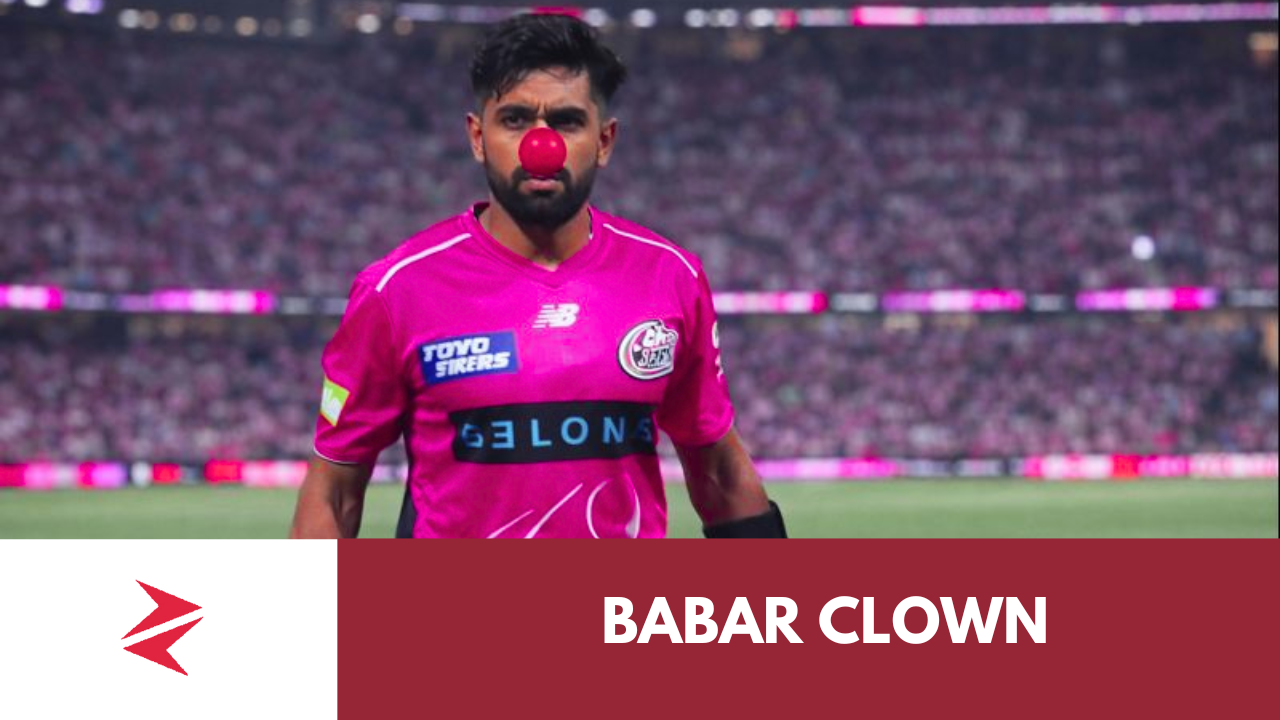
The incident unfolded at the Big Bash League clash at the Sydney Cricket Ground, when Steve Smith physically knocked the ball away to deny Babar Azam a single — ensuring he would keep strike for the Power Surge.
Babar’s reaction was visible. The internet noticed. The debate exploded.
But strip away emotion, nationality, and fandom — what remained was pure T20 logic.
What Actually Happened (Fact, Not Feeling)
On the final ball of the 11th over, Smith made a deliberate decision:
-
Deny the single
-
Retain strike
-
Exploit the Power Surge
The result?
Smith smashed 32 runs in a single over, including four sixes, turning a calculated choice into a match-defining statement.
Babar, on the other hand, finished with 47 off 39 balls (SR ~121) — respectable in bilateral cricket, sub-optimal in modern franchise T20s.
This wasn’t symbolic.
It was transactional.
Share the post “Slow strike rate Babar Azam shown his actual worth despite being highly paid at BBL”