






















Connect with Zorays

Hi, what are you looking for?

Politics & Governance

Punjab’s $40 Million Gulfstream G500: Strategic State Asset or Elite Optics in a Strained Economy?

Punjab’s reported $38–42M Gulfstream G500 purchase sparks debate amid fuel hikes and debt pressure. Strategic asset or elite excess?

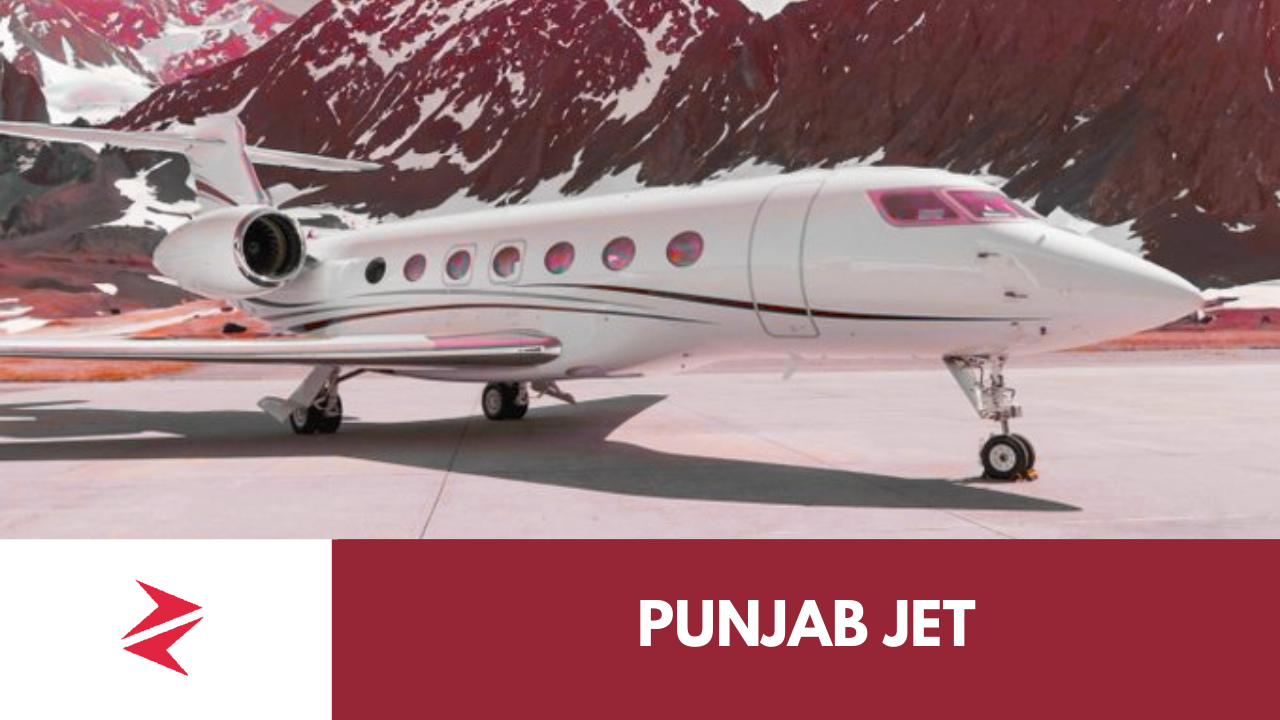
Punjab Business Jet

The Government of Punjab has reportedly acquired a 2019-manufactured Gulfstream GVII-G500, previously carrying FAA registration N144S, for VIP transport. The estimated transaction value ranges between $38–42 million. Open-source flight tracking data shows the aircraft operating with a “PUNJAB” callsign in recent weeks, and late-2025 job postings sought G500-rated pilots—suggesting planning was underway well before the public conversation ignited.

The seller’s material circulating online displays a standard G500 luxury configuration: leather seating, executive conference layout, and onboard galley. The aircraft’s long-range capability, high cruise speed, and 51,000-ft ceiling are typical of this class. Registry records cited in discussion list TVPX Aircraft Solutions Inc (Trustee), North Salt Lake, Utah, as registered owner under N-registration, pending export/deregistration formalities customary in cross-border transfers.

The Economic Backdrop

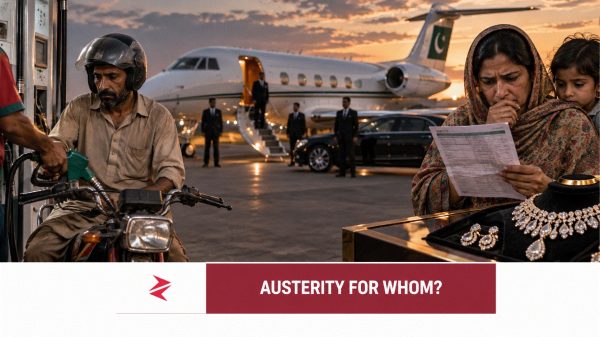
The controversy is not about metallurgy or avionics. It is about optics and timing. Pakistan’s public debt has been cited at roughly $287 billion equivalent, while fuel prices were increased effective February 16, 2026—Rs 5 per liter for petrol and Rs 7.32 for diesel—under a framework linked to fiscal consolidation and subsidy rationalization during IMF engagement. In this environment, a provincial government purchasing a high-end business jet naturally becomes a lightning rod.

Critics frame the acquisition as tone-deaf amid poverty metrics often quoted at 40%+ and inflationary stress that has squeezed the middle class. Supporters and security-focused commentators counter that state continuity and executive mobility are legitimate governance functions, and that standardized fleets can reduce long-term maintenance complexity.

Pages: 1 2 3

Pages ( 1 of 3 ): 1 23Continue Analysis »
Click to comment

Leave a Reply

Your email address will not be published. Required fields are marked *

You May Also Like

Economy & Markets

How IMF programs historically impact the Pakistan Stock Exchange—why markets rally on IMF deals, why gains fade, and how investors should read IMF news...

Business & Startups

Can Pakistan hit $30B textile exports? Data on energy tariffs, IPPs, Bangladesh’s rise, and the innovation gap shaping competitiveness.

Society & Culture

Maria B rejects Basant publicly while launching a kite-themed collection—igniting debate on hypocrisy, performative morality, and commerce in Lahore.

Society & Culture

DHA Lahore’s Basant restrictions turn a public cultural festival into a paid enclosure. Law, logic, and culture all say this policy must be reversed.

Opinions

Pakistan cuts wheeling charges by Rs 4.04/unit and lowers export refinance rates to 4.5%. What changed, what didn’t, and why it matters.

Economy & Markets

Pakistan’s Rs3.65tr early debt retirement: what’s verified, what it changes (risk, costs), and why “printing money” depends on funding sources. Retiring debt is easy...

Society & Culture

A medical breakdown of Maryam Aurangzeb’s viral transformation—weight loss, aesthetics, surgery myths, and why the outrage says more about society than medicine.

Advertisement

Trending

Top
Exit mobile version