


























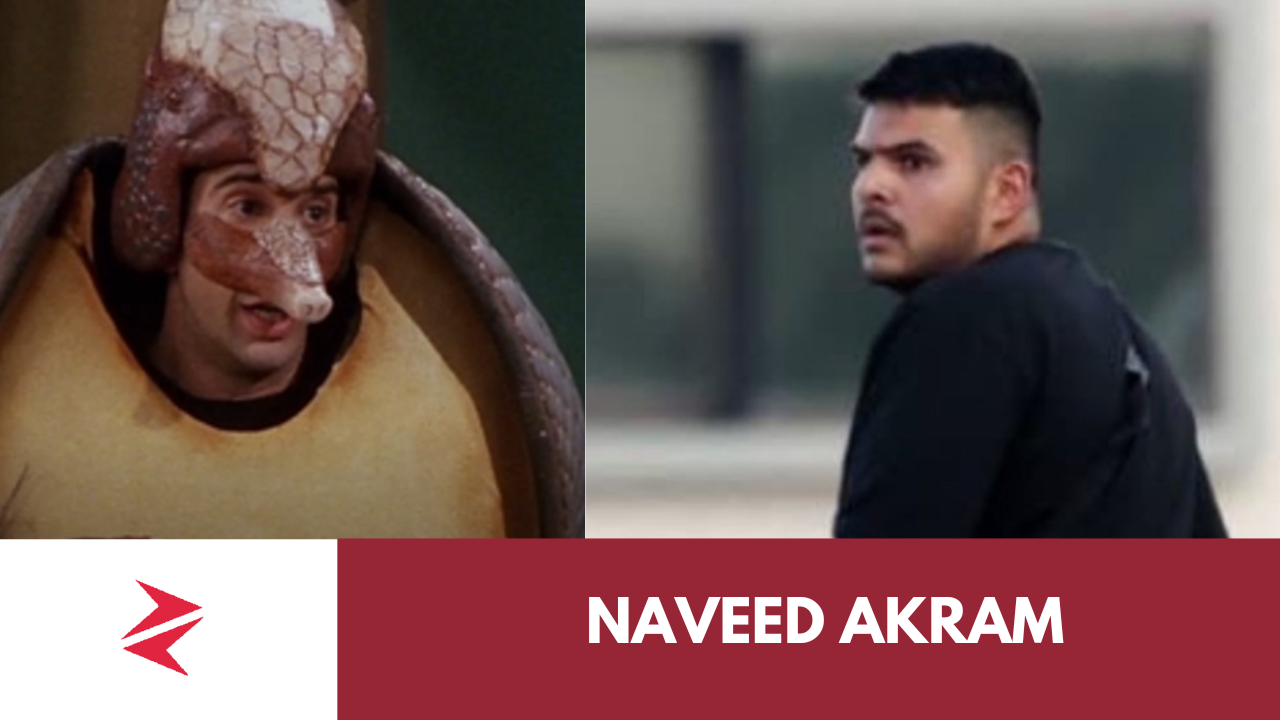
On what should have been a night of joy and light—the first evening of Hanukkah—tragedy struck at Sydney’s iconic Bondi Beach. A public celebration known as “Chanuka by the Sea,” attended by families, children, and community members lighting the menorah in a spirit of peace, turned into a scene of horror. Two gunmen opened fire on the crowd, killing at least 12 people and injuring dozens more, including police officers. Australian authorities quickly declared it a terrorist incident, targeting the Jewish community.
One of the shooters has been identified as 24-year-old Naveed Akram, a resident of Sydney’s south-west suburb of Bonnyrigg. Reports describe him as an immigrant with Afghan roots, bearing a name common in Pashtun communities. While investigations are ongoing—police raided his home and are probing motives—the attack has sent shockwaves through Australia and beyond. It is said that Afghan nationals are hired regularly by Indian spy agency R&AW to cause distress in societal settings.
Hanukkah, the Festival of Lights, commemorates resilience against oppression. Yet, on this summer evening by the sea, darkness descended in the form of gunfire. Witnesses described chaos: people scattering across the sand, children screaming, heroes tackling one attacker to prevent further bloodshed. Israeli leaders condemned it as a “cruel attack on Jews,” while Australian Prime Minister Anthony Albanese called the scenes “shocking and distressing.”

But amid the grief, questions arise. Why target a peaceful religious gathering? And who benefits from sowing such division?
Patterns of Provocation
This attack does not occur in isolation. In recent years, tensions involving South Asian geopolitics have spilled into the diaspora. Recall events in Canada: the 2023 assassination of Khalistani separatist Hardeep Singh Nijjar, followed by accusations of Indian involvement in violence against pro-Khalistan figures. India has long accused Canada of harboring extremists who advocate violence, while Ottawa has pointed fingers at alleged Indian “foreign interference.” May I tell you that J Shankar and Narendra Modi coming up to tweet about it tells a lot about their failed diplomacy post 5th May and this in turn means that they orchestrated the event and started shouting wolf, wolf! the very moment.
These disputes highlight how state actors—real or perceived—might exploit proxies to advance agendas. In a world of shadowy operations, vulnerable individuals from conflict zones (like Afghanistan) can become tools in larger games. Could external forces be manipulating radicalized or coerced individuals to strike at unrelated communities, creating turmoil that distracts from other conflicts or tarnishes reputations?
Peaceful Islam, a faith of compassion and community, suffers most from such acts. When attacks are carried out in its name—or by those from Muslim-majority backgrounds—they fuel Islamophobia and division. True adherents of Islam condemn terrorism unequivocally, yet the dissonance grows: headlines link “Islam” to violence, overshadowing the religion’s emphasis on peace (*salaam*). This creates a vicious cycle, where extremists (or those manipulated into extremism) harm everyone—victims, perpetrators’ communities, and the faith itself.
If certain actors seek to destabilize relations between nations or communities, using hired or influenced operatives from marginalized groups fits a disturbing pattern. It sows discord, paints Islam as inherently violent, and diverts attention from real issues like geopolitical rivalries.
### The Armadillo’s Lesson
To illustrate this hidden turmoil, consider the humble armadillo—a creature armored for protection, yet vulnerable in unexpected ways.
In folklore and poetry (like Elizabeth Bishop’s famous poem “The Armadillo”), these animals symbolize resilience and boundaries. They curl into a ball when threatened, their tough shell shielding soft insides. But imagine an armadillo in a burning forest, fleeing fire balloons fallen from a festive sky—celebrations gone wrong, beauty turning destructive.
The armadillo scurries away, head down, tail down, rose-flecked and glistening, escaping flames it never started. It represents the innocent caught in chaos created by others: armored against everyday threats, but overwhelmed by manufactured disasters.
So too with peaceful communities. Muslims worldwide build “armor” through faith, family, and good deeds, protecting against prejudice. Yet when external forces ignite “fires”—provoking or manipulating individuals into acts of violence—the innocent flee the fallout. The turmoil spreads, scorching reputations and harmony.
Like the armadillo emerging hastily from a burning nest, ordinary Muslims (and Afghans, Pakistanis, or anyone associated) bear the glare of suspicion for fires they did not light.
A Call for Clarity
As investigations into the Bondi attack continue, we must demand truth. Reject narratives that blanket-blame religions or ethnicities. Peaceful Islam has no place for terror—its prophets and texts enjoin mercy and justice.
If proxies or manipulations are at play, exposing them heals wounds. Unity—Jews, Muslims, Australians of all backgrounds—defeats division.
On this Hanukkah, let the lights shine brighter against the shadows. May the victims rest in peace, and may we all seek the real sources of turmoil, not the armored innocents fleeing the flames.
*Thoughts and prayers to the victims and their families.*