


































This admission reflects a deeper reality of contemporary conflict reporting: rumors often travel faster than verification, particularly when narratives intersect with geopolitical tensions involving countries already locked in strategic rivalries.
To understand why such a story gains traction so quickly, it is necessary to look at the broader military context. India has long maintained defense cooperation with Israel, especially in the development and acquisition of unmanned aerial systems. Israeli platforms such as the Heron UAV have been used for reconnaissance, surveillance, and border monitoring, while the Harop loitering munition—sometimes described as a “kamikaze drone”—is designed to hover over battlefields before striking high-value targets. These technologies have become central to modern warfare, particularly in conflicts where precision strikes and intelligence dominance shape battlefield outcomes.
The suggestion that a facility in Delhi might have been involved in producing or assembling such systems therefore resonates strongly with existing geopolitical narratives. Critics of India’s defense ties with Israel often frame the relationship as part of a wider military alignment, especially within discussions surrounding conflicts in the Middle East or South Asia. In this context, the viral claim that a drone factory connected to both nations was attacked feeds directly into pre-existing suspicions about regional security cooperation.
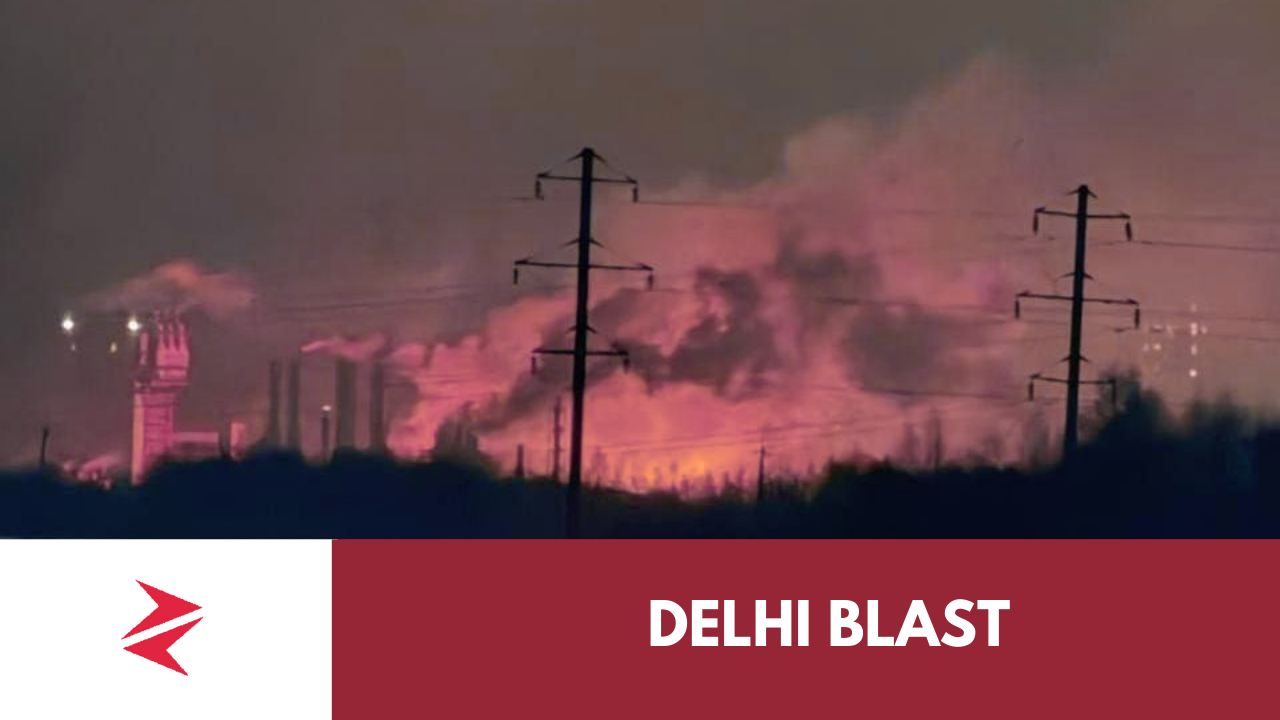
Yet the evidence supporting the alleged blast remains murky. Unlike verified industrial accidents or major militant attacks that quickly appear in international news coverage, the Delhi drone facility story appears primarily in social media posts and messaging channels rather than established reporting outlets. This discrepancy raises important questions about the reliability of the information being circulated.
Information warfare itself has become a powerful strategic tool. Governments, activist groups, and independent propagandists frequently attempt to shape public perception by spreading dramatic narratives that frame events in ways favorable to their political objectives. Videos, short clips, and edited footage often accompany such claims, making it difficult for viewers to distinguish between authentic documentation and manipulated content. Several links shared in the conversation illustrate how easily viral footage can amplify speculation, particularly when dramatic visuals of explosions or fires appear online without clear context.
The broader regional environment also fuels such speculation. In recent years, South Asia and the Middle East have witnessed a dramatic escalation in the use of drones for surveillance and targeted strikes. Conflicts in Ukraine, Gaza, and elsewhere have demonstrated how unmanned systems can transform modern warfare. As a result, any report involving drone production facilities—especially those connected to major defense exporters like Israel—immediately attracts attention.
Another factor driving the narrative is the persistent insurgency associated with Naxalite groups in India, sometimes referred to as Maoist rebels. These militant networks have historically targeted infrastructure, security forces, and industrial projects in various regions. While their activities are usually concentrated in central and eastern India rather than major urban centers like Delhi, the possibility of a high-profile attack is not entirely implausible in the imagination of online observers. The dramatic framing of the incident as a strategic strike against a drone production hub therefore fits within broader stories about insurgency and asymmetric warfare.
Nevertheless, without independent verification from credible news organizations, government statements, or eyewitness reporting, the claims remain speculative. The conversation logs themselves reveal the uncertainty surrounding the story. Participants openly question whether the explosion occurred at all, illustrating how quickly online discussions can swing between certainty and doubt.
messages_2026-03-12
This uncertainty highlights a larger issue facing modern audiences. In the age of instant communication, information ecosystems have become fragmented into countless parallel realities. Messaging platforms, social media feeds, and private chat groups circulate narratives that may or may not intersect with verifiable journalism. Each platform amplifies content based on emotional resonance rather than accuracy, creating powerful echo chambers where dramatic stories gain momentum regardless of factual confirmation.

The alleged Delhi drone facility blast therefore serves as a case study in how geopolitical rumors propagate. Whether the event occurred exactly as described or not, the narrative itself reveals how contemporary conflicts are increasingly fought not only with weapons but also with stories. Every viral claim, every speculative tweet, and every forwarded message becomes part of a broader struggle to shape how people interpret events unfolding across the world.
Ultimately, separating fact from fiction requires patience and critical evaluation. Responsible analysis demands waiting for corroboration from multiple credible sources rather than accepting the first dramatic narrative that appears online. Until such confirmation emerges, the Delhi drone facility explosion remains part of the ongoing information war that now accompanies nearly every geopolitical crisis.
In this environment, the most important battlefield may not be the physical one at all—it is the arena of perception, where narratives, rumors, and viral posts compete to define reality itself.