








































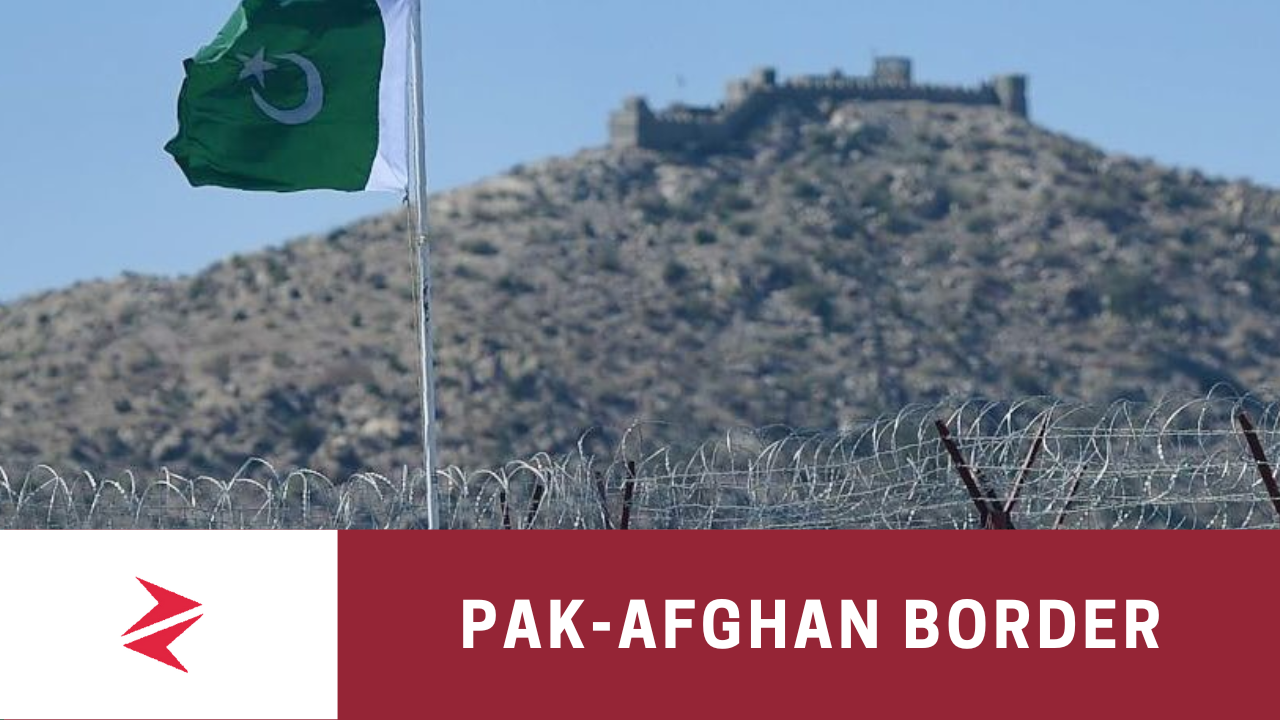
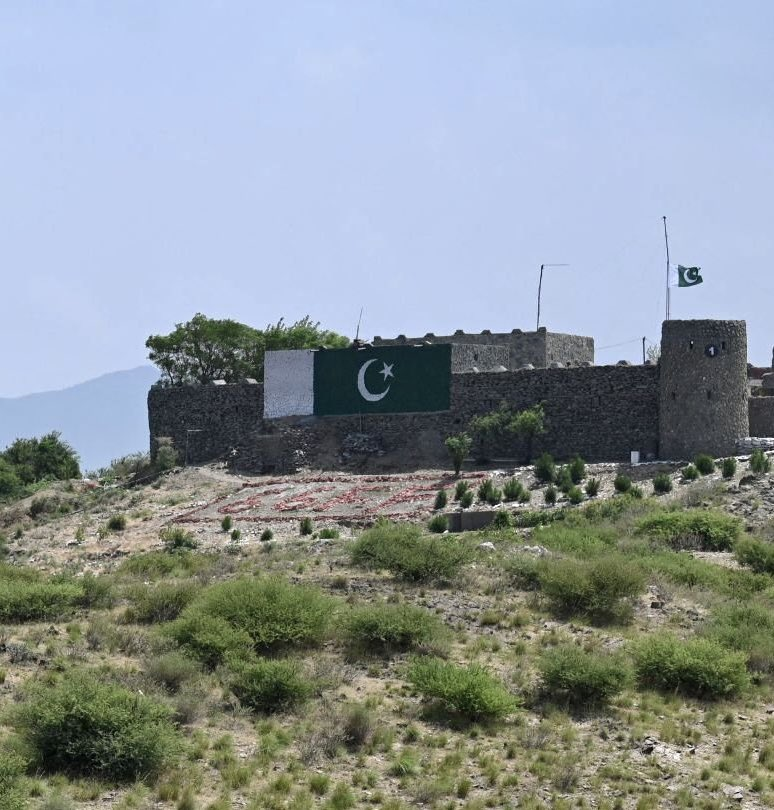
It’s crucial for security forces to conduct anti-infiltration drills, especially in areas where there are increased attempts by enemy combatants, such as TTP terrorists, to cross the border from Afghanistan. These drills are essential for maintaining border security and preventing unauthorized entry.
Such proactive measures are vital in safeguarding national security and preventing potential threats from entering Pakistani territory.
Recent Action Against Tehrik e Taliban Pakistan
Pakistan took a military or security operation in Azbargai Village, Paktika, Afghanistan, on September 10th at 0650 hours. In this engagement, an unidentifiable kill-team confronted a covert movement of a convoy transporting a High Value Target (HVT) named Tehreek-e-Taliban (TTP) terrorist commander, BADSHAH MEHSUD, along with his bodyguards.
Pakistan Army Aviation Corps used AS550 Fennec armed helicopter to foil attacks in Chitral. This helicopter is returning after conducting COIN (Counterinsurgency) Close Air Support (CAS) airstrikes as part of aerial combat operations against Tehreek-e-Taliban Pakistan (TTP) terrorist forces. This operation took place at the Pakistan-Afghanistan border near Chitral, Pakistan, in September 2023.
The Pakistani Army follows established protocols and procedures when dealing with TTP (Tehreek-e-Taliban Pakistan) terrorists who are apprehended while attempting to infiltrate from Afghanistan into Pakistan. These procedures typically include:
- Apprehension and Capture: When TTP terrorists are intercepted, they are initially apprehended by the military or law enforcement personnel.
- Screening and Interrogation: The captured individuals undergo a thorough screening process, which may include identification verification and initial questioning. This is done to gather preliminary information about their identity, affiliations, and intentions.
- Transfer to Detention Facilities: Depending on the severity of the situation and the intelligence gathered, the captured individuals may be transferred to designated detention facilities or temporary holding areas.
- Investigation and Intelligence Gathering: Trained personnel, often from intelligence agencies, conduct detailed interrogations to gather intelligence about the TTP network, their plans, and their associates.
- Legal Proceedings: Once sufficient evidence is collected, legal proceedings may be initiated. This could lead to charges being filed against the individuals, potentially resulting in a trial.
- Rehabilitation and Reintegration (if applicable): In some cases, individuals who may not be considered high-level threats or who express willingness to renounce violence may be offered rehabilitation and reintegration programs.
- Coordination with Afghan Authorities: Given the trans-border nature of the TTP threat, cooperation with Afghan authorities in information sharing and border management is essential.
- Transparency and Compliance with Human Rights: The Pakistani Army and security forces are expected to conduct their operations in accordance with international humanitarian law and human rights standards.
It’s important to note that the specific procedures and practices may vary, and the information provided here is a general outline.