









































Here are some considerations and clarifications that might help you choose the best air purifier for combating smog:
-
Room Size and Air Change Rate: Besides the coverage area, consider how many times the air purifier can exchange the air in your room per hour. For effective smog reduction, aim for at least 4-5 air changes per hour. This ensures that the purifier efficiently cycles the air through its filters.
-
Filter Life and Maintenance: Apart from the initial purchase, consider the lifespan of the filters and the cost of replacements. Some models have washable pre-filters which can extend the life of the primary HEPA filter. Check how long each type of filter lasts (many HEPA filters need replacing every 6-12 months, depending on usage and air quality).
-
Noise Levels: Since air purifiers might run 24/7, look for models with lower decibel ratings, especially if you plan to use them in bedrooms. Quiet operation can be crucial for comfort, particularly at night or during work hours.
-
Energy Efficiency: Check the energy consumption of the unit. Some top models are designed to be energy-efficient, which can save on electricity costs over time.
-
Additional Features:
-
Smart Features: While not essential, features like Wi-Fi connectivity can allow you to control and monitor air quality remotely, which can be handy if you’re away from home.
-
Auto Mode: This feature adjusts the purification level based on the detected air quality, saving energy when air is clean and increasing power when pollutants are detected.
-
Odor Control: Activated carbon or charcoal filters are excellent for removing odors, which is particularly useful if the smog brings in unpleasant smells.
-
-
Certifications: Look for purifiers that are AHAM (Association of Home Appliance Manufacturers) or CARB (California Air Resources Board) certified for both performance and adherence to ozone emission limits.
-
User Reviews and Feedback: While technical specifications are important, real-world performance can often be gauged better through user reviews. Look for feedback on how the purifier handles smog, its noise level, and maintenance costs.
-
Positioning and Air Flow: Ensure the purifier is placed in a location where it can draw in and distribute clean air effectively. Some units perform best when there’s space around them for air to circulate freely.
By focusing on these aspects, you should be well-equipped to choose an air purifier that not only meets your needs in terms of size and efficiency but also offers a cost-effective and user-friendly solution for managing smog in your home environment.
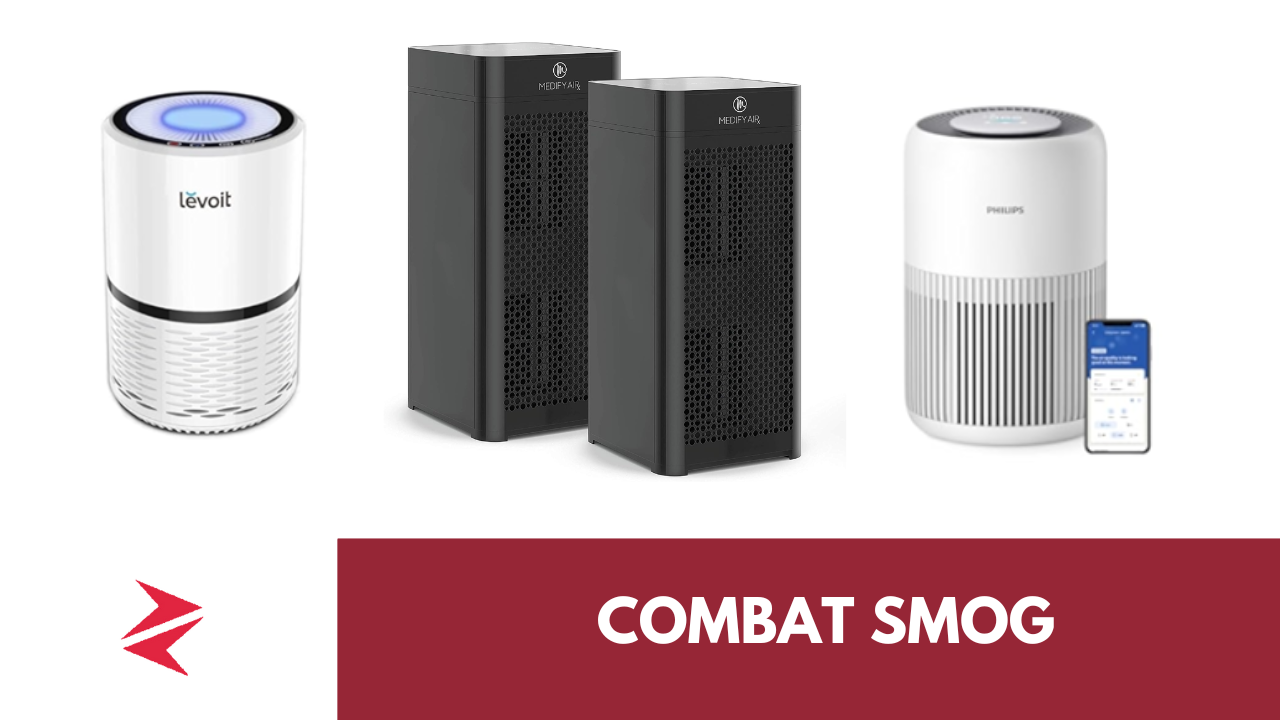
Here are my top 3 picks:


if ( function_exists( 'pgntn_display_pagination' ) ) pgntn_display_pagination( 'multipage' );