

























Connect with Zorays

Hi, what are you looking for?

Energy & Environment

Civilization’s Invisible Backbone: Why the World Still Runs on Oil

Modern megacities and global trade appear digital and renewable, yet the entire system of modern civilization still rests on oil-powered logistics and energy infrastructure.

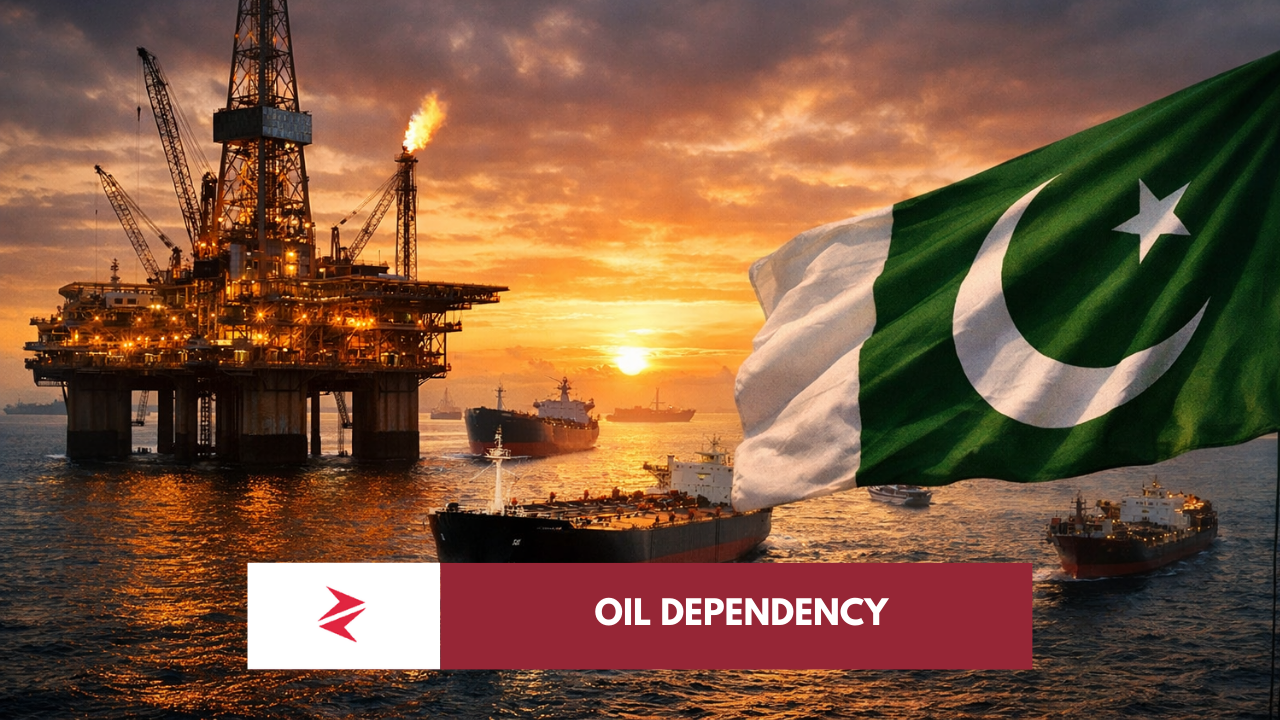
Megacities at night alongside oil tankers and refinery infrastructure symbolizing the fossil energy foundation of modern civilization

Modern civilization likes to imagine itself as clean, digital, and renewable. Governments publish ambitious energy transition roadmaps, electric vehicles dominate headlines, and solar panels glitter across deserts and rooftops. Yet beneath this narrative lies a deeper structural truth that policymakers, economists, and engineers quietly acknowledge: the modern world, despite all its technological advances, still runs overwhelmingly on oil.

The illusion of a post-oil civilization emerges because most people interact with energy only at the final stage of consumption. A light switch turns on electricity instantly. Smartphones charge silently on desks. Supermarket shelves appear magically stocked with food and goods from across the globe. These daily experiences create the impression that energy systems are simple, clean, and detached from heavy industry.

But the real machinery of civilization sits far behind the scenes.

Steel, copper, concrete, logistics fleets, mining operations, and construction equipment form the physical backbone of the modern world. Almost all of these activities still depend heavily on fossil fuels. Even the infrastructure designed to replace oil—solar panels, wind turbines, and electric vehicles—requires massive amounts of fossil energy during manufacturing and transportation.

The energy transition, therefore, is unfolding within a system still powered by the very fuels it seeks to replace.


Megacities That Should Not Exist Without Oil

One of the most remarkable transformations of the modern era has been the emergence of megacities whose populations far exceed the ecological limits of their surrounding environments. Historically, cities could only grow as large as nearby farmland and water supplies allowed. Urban populations depended directly on the land surrounding them.

READ:   Tim Hortons The Cheapest Coffee from Canada Now Being Served in Pakistan

That constraint largely vanished with the rise of fossil energy.

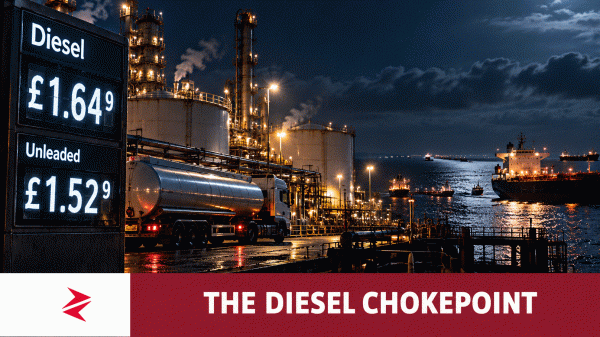
Oil-powered transportation networks now move food, fertilizer, construction materials, and manufactured goods across continents and oceans. The result is a world where cities such as Karachi, Shanghai, London, and New York house millions of people whose survival depends on global supply chains rather than local resources.

Food arrives through refrigerated trucks and container ships. Fertilizers used in agriculture rely heavily on fossil fuels. Construction materials are transported thousands of kilometers using diesel-powered logistics systems.

Remove the energy infrastructure that enables this flow, and the scale of modern urban life becomes impossible.

Advertisement. Scroll to continue reading.

Pages: 1 2 3 4

Pages ( 1 of 4 ): 1 234Continue Analysis »
Click to comment

Leave a Reply

Your email address will not be published. Required fields are marked *

Advertisement

Top