World Affairs
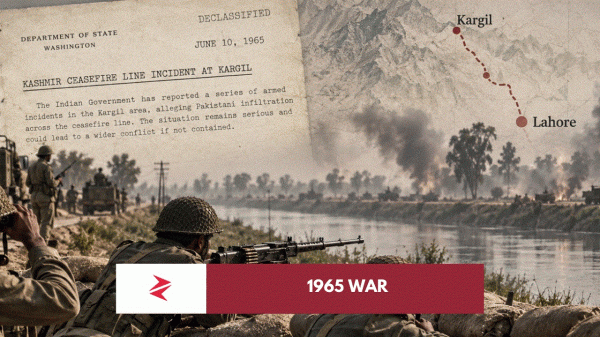
Declassified U.S., UN and Indian records expose the missing 1965 war timeline—from Kutch and Kargil to Gibraltar, Lahore and the ceasefire.
Hi, what are you looking for?

The 1965 War Did Not Begin in a Vacuum: What Declassified Records Actually Say About Pakistan, India and the Road to September
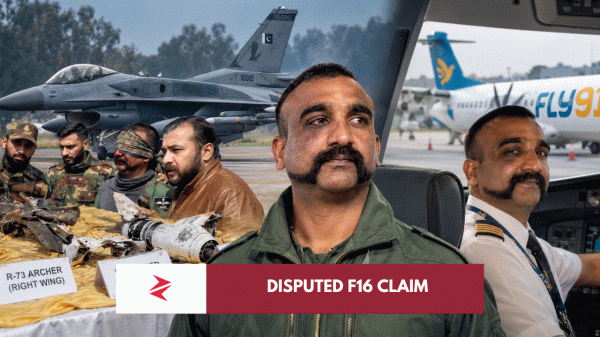
Abhinandan Varthaman Joins FLY91 — But India’s 2019 F-16 Story Still Has an Evidence Problem
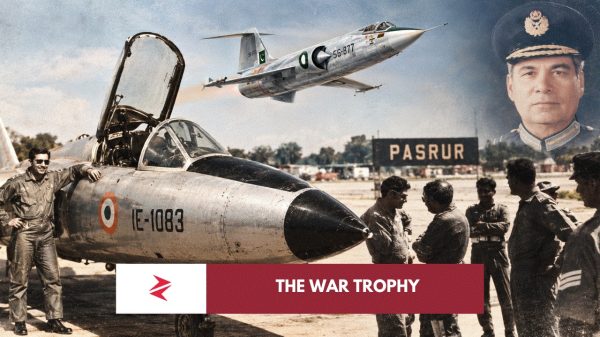
The Indian Gnat That Landed in Pakistan: Hakimullah, Saad Hatmi and the Pasrur Story India Still Disputes
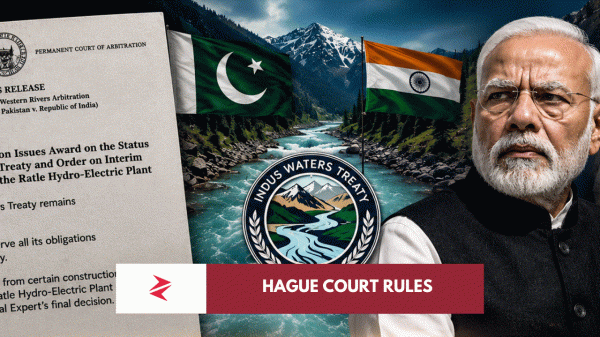
India Calls It a “So-Called Court.” The Indus Waters Treaty Does Not Disappear Because New Delhi Says So
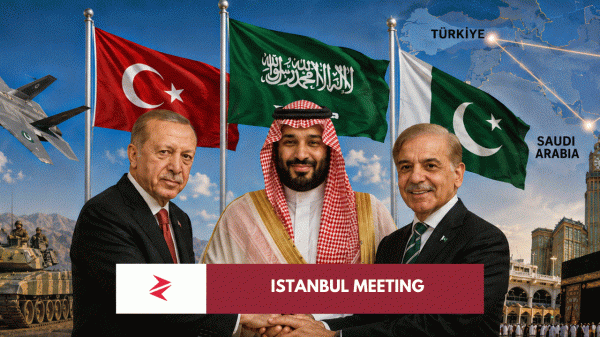
The Makkah Defence Pact Just Became Real — And Pakistan Is No One’s Junior Partner

Who Really Won the Pearl-Continental Battle? Inside the Hashwani Share Dispute, the Reported Hotel Split and Pakistan’s Investor-Confidence Problem
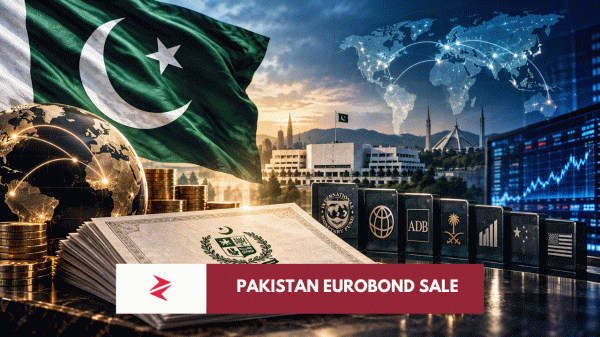
Pakistan’s $3 Billion Eurobond Is Expensive—and Still a Market Comeback: What the $6 Billion Order Book Really Means

Naya Nazimabad Apartment REIT at Rs23: Is Pakistan’s 8x Oversubscribed REIT IPO Actually Worth Buying?

APAG IPO at Rs33: Should PSX Investors Subscribe to the Soya Supreme Offering?
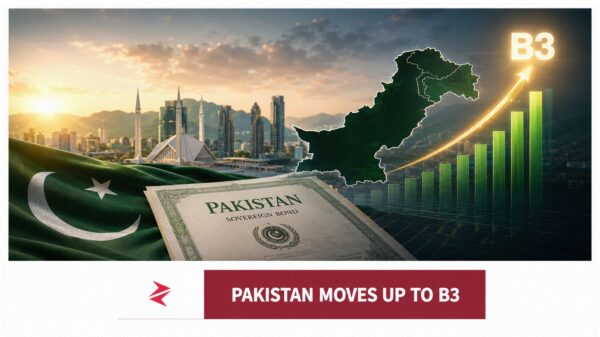
Moody’s Upgrades Pakistan to B3: No, This Is Not a Certificate of “Good Governance”

Apple iPhone Duo vs Samsung: The Foldable War, the Crease Fight and the Jibes That Became the Product Launch

Google Opens Its First Pakistan Office in Islamabad—but the Real Test Is Whether Pakistan Can Turn Access Into Exports

How Artificial Intelligence Turns a Selfie Into a 3D Avatar—and Why Pakistan Was Early to the Idea

PS5 vs Xbox Series X in 2026: Which Console Should Pakistani Gamers Actually Buy?
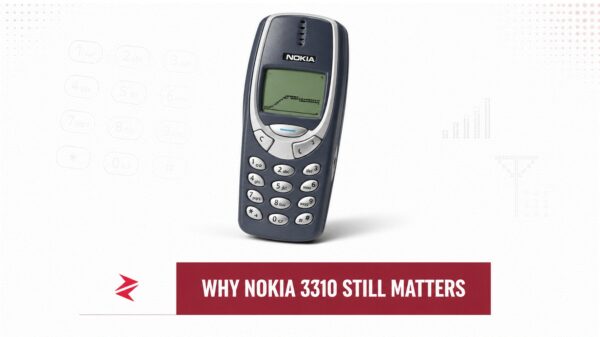
Why the Nokia 3310 Still Matters: Durability, Simplicity and the Making of a Cultural Icon

Pakistan Does Not Need More Provincial Thrones—It Needs Power Below the Provinces
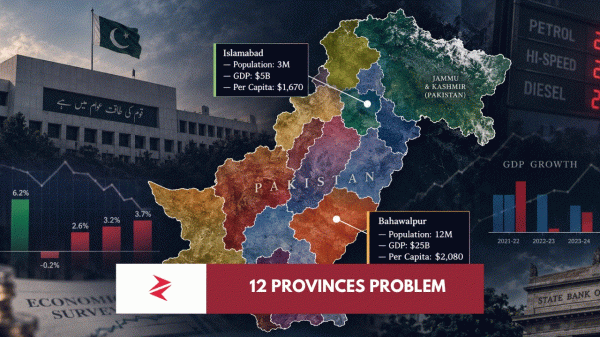
Pakistan’s 12-Province Debate Is Real. The Viral Maps and GDP Numbers Are Not the Government’s Plan
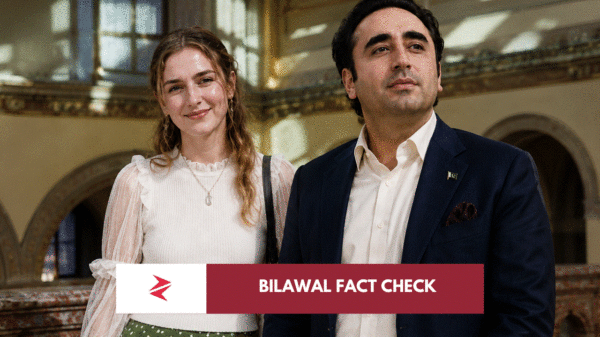
Bilawal Bhutto’s “Liechtenstein Princess” Marriage Rumour: What Is Actually Known, What Was Invented, and Why Pakistan Could Not Stop Talking About It

Pakistan’s Sugar Policy Loop: Export It, Import It, Re-Export It—and Make Citizens Pay
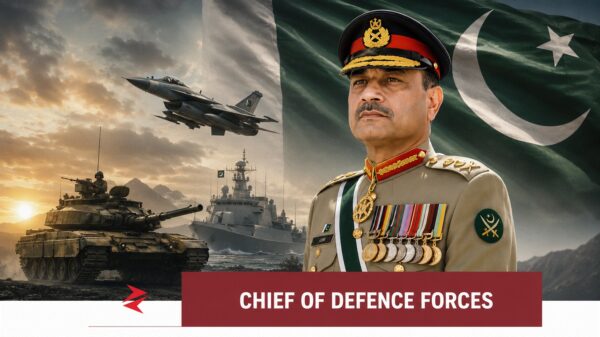
Pakistan’s National Assembly Passes Defence Forces Bill: What the CDF Can—and Cannot—Do

From Lagaan to Lord’s: Did Pakistan Escape the Empire but Keep Its Cricketing System?

Sky Sports, Imran Khan’s Sons and the Politics-in-Cricket Double Standard Pakistan Has Every Right to Question

Aaqib Javed’s Daughter Got Married—Pakistan’s Online Morality Squad Put Her on Trial

Pakistan at FIH Hockey World Cup 2026: The New Format Makes Every Pool D Result Matter
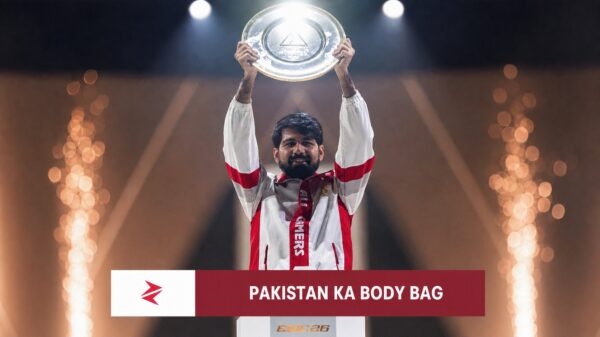
Never Sleep on Pakistan: M. Zubair’s 5–0 Tekken Victory Exposed a Nation of Unseen Champions

Why “Average Wind Speed” Can Give You the Wrong Answer About Wind Energy

Primary Energy vs Electricity Generation: Why the Difference Matters
Türkiye to Drill Offshore Pakistan: A Serious Energy Move, Not Yet an Oil Discovery
U.S. Ready to Fund Another Massive Mining Project in Pakistan
OPEC: Saudi-UAE Gulf oil infrastructure tension

Pakistan After Pampers: Which Diaper Brand Can Parents Actually Trust?

Corporate Entrepreneurship in 2026: Why Innovation Dies Inside Successful Organizations

The Future of Digital Marketing Agencies and Software Houses in Pakistan: What Will Actually Work in 2026?

Closing Sales Without Sounding Desperate: The Ultimate Guide to Turning Buyer Confidence into Revenue

Starbucks Corporate Culture Explained: The Invisible System Behind the Coffeehouse

S. Zaheeruddin Ahmed’s Arey Wah! Is Turning Pakistan’s Advertising Madness Into a Web Series
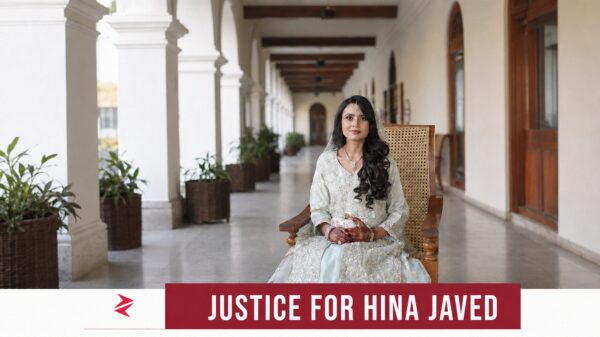
Justice for Hina Javed: A Home Became a Crime Scene While Pakistan Told Women to “Adjust”
Aaqib Javed’s Daughter Got Married—Pakistan’s Online Morality Squad Put Her on Trial
Mir Raza Ali Case: Second Post-Mortem Shatters the Easy Narrative, but Karachi Still Needs the Whole Truth
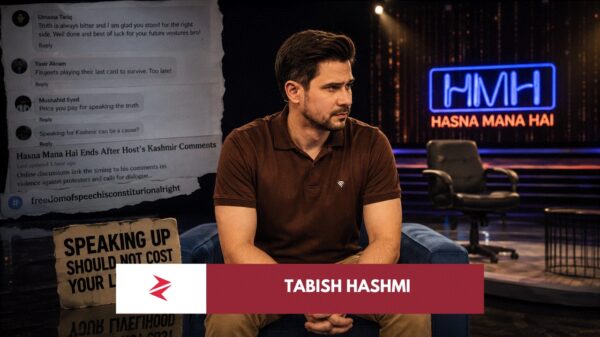
I Loathe Tabish Hashmi’s Comedy—But There Is Still No Proof Geo Punished Him for Kashmir
S. Zaheeruddin Ahmed’s Arey Wah! Is Turning Pakistan’s Advertising Madness Into a Web Series
Justice for Hina Javed: A Home Became a Crime Scene While Pakistan Told Women to “Adjust”

Best Suit Tailor in Islamabad: Why I Rank Wazir Above Lawrencepur, Rici Melion and Bespoke Tailors
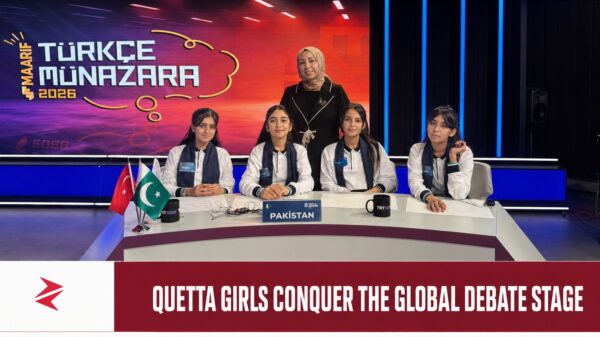
Quetta Girls Conquer Türkiye’s Debate Stage—and Show the World a Pakistan It Often Refuses to See
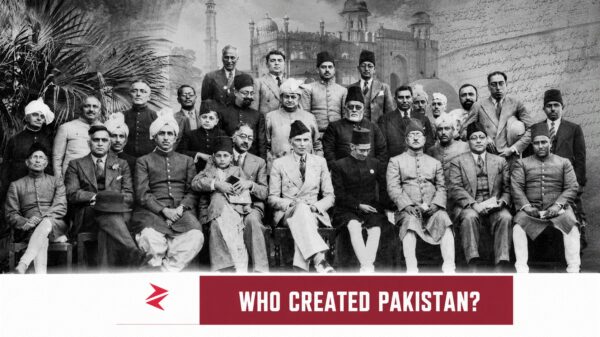
Who Created Pakistan? The Ethnic Ownership War That History Does Not Support
Declassified U.S., UN and Indian records expose the missing 1965 war timeline—from Kutch and Kargil to Gibraltar, Lahore and the ceasefire.
Pakistan cricket’s rise and collapse mirrors decades of political upheaval, institutional control and lost merit—from Imran Khan’s peak to 2026.
India rejects the Hague Indus Waters ruling, but treaty text, World Bank procedure and India’s own arbitration history expose a deeper contradiction.
The Makkah Defence Pact is no longer a photo-op: Pakistan, Türkiye and Saudi Arabia have created a secretariat and moved toward real military integration.

Sky Sports’ Imran Khan interview reignited Pakistan’s politics-in-cricket debate, exposing selective outrage, disputed claims and media double standards.
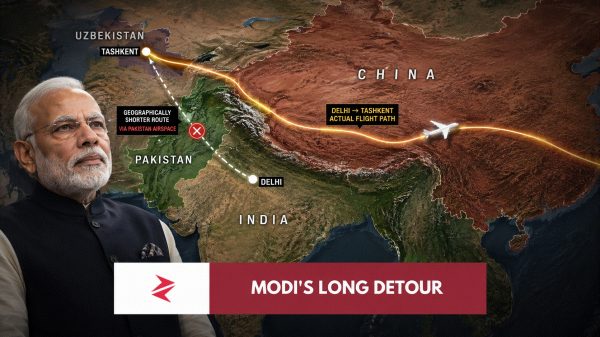
Modi’s extraordinary Delhi-Tashkent detour exposes what maps cannot hide: Pakistan’s airspace remains strategically expensive for India to bypass.

Quetta’s girls defeated Afghanistan in Türkiye to win the 2026 Maarif Turkish debate final, showcasing Pakistan’s talent, confidence and promise.
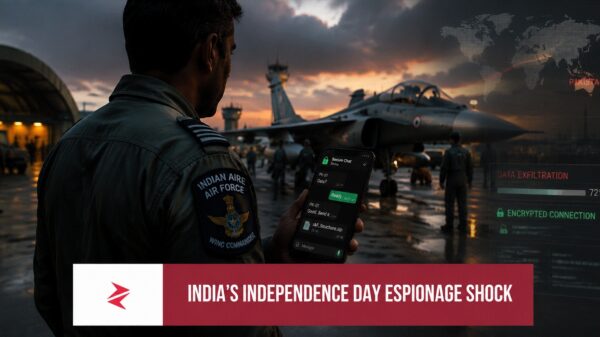
India marked 15 August under an espionage cloud after an IAF Wing Commander was charged with allegedly leaking sensitive defence information.
Pakistan was neither created by Urdu speakers alone nor resisted by Punjab alone. The documented record reveals a genuinely federal Muslim struggle.

Pakistan returns to the FIH Hockey World Cup in 2026. Here is the new format, Pool D equation, fixtures and why every result matters...

Pakistan’s digital agencies and software houses face an AI-led reckoning. Discover the niches, business models and systems that can win in 2026.
Pakistan’s M. Zubair demolished LowHigh 5–0 to win Tekken 8 at EWC 2026, proving Pakistan’s fighting-game supremacy is a system, not luck.
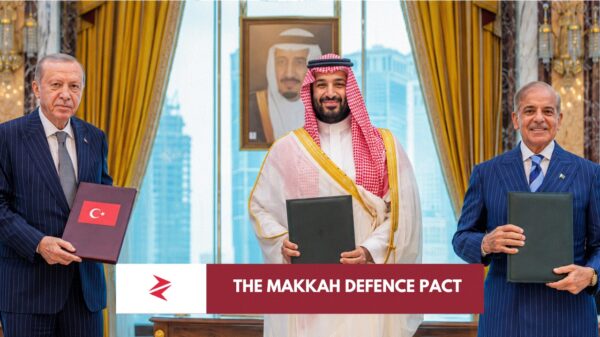

Pakistan, Saudi Arabia and Türkiye’s Makkah defence pact creates collective deterrence—but its Article 51 limits and obligations demand scrutiny.
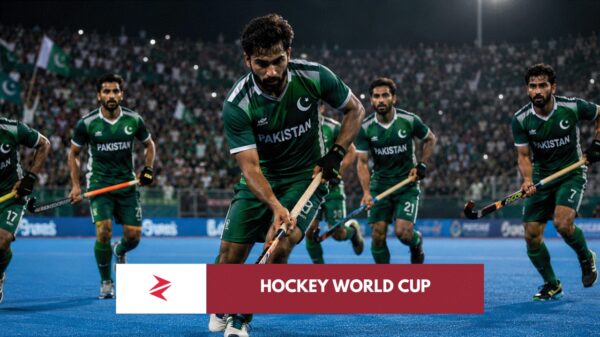

Pakistan’s route through Pool D, Pool E and the semifinals at the 2026 Hockey World Cup—complete with match targets, tactical priorities and scenarios.
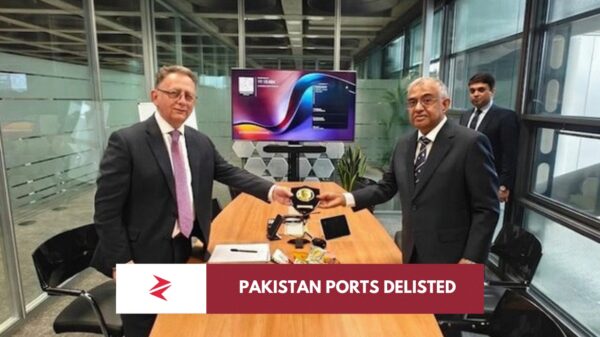

Pakistan’s removal from Lloyd’s war-risk list could cut shipping costs, strengthen exports, and reset confidence in Karachi, Port Qasim and Gwadar ports.


PIA’s dark-green livery revives the Markhor debate as Pakistan privatizes aviation, expands Lahore airport and outsources Islamabad operations under PPP reform.
Deutsche Welle’s Pakistan nuclear documentary substitutes ominous editing for evidence while ignoring safeguards, legal context and India’s record.
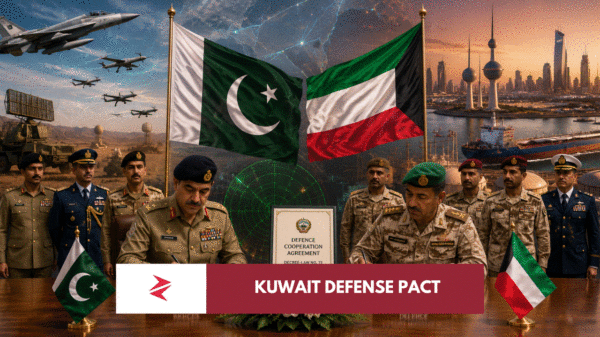
Kuwait’s ratification of its Pakistan defence pact expands military cooperation, but Islamabad must convert strategic relevance into public benefit.
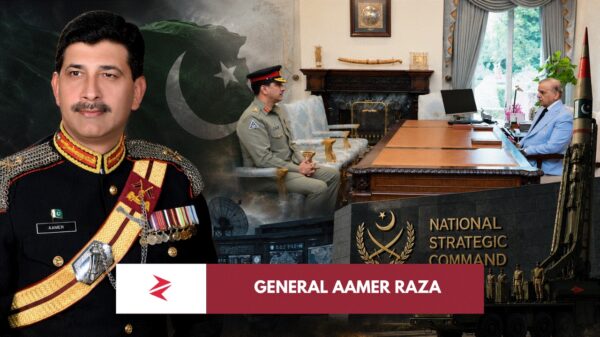

General Aamer Raza’s four-star promotion raises real questions on seniority, strategic experience, transparency and Pakistan’s toxic online smear culture.
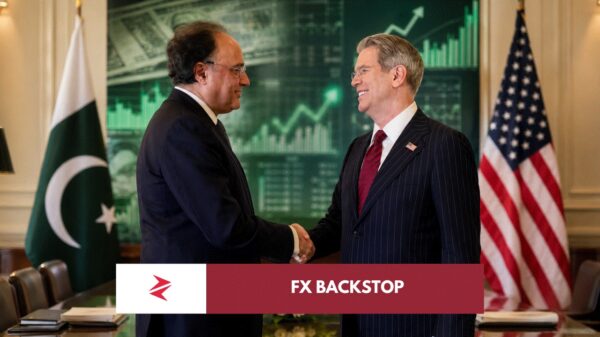

Pakistan’s $10bn U.S. backstop request is not a reserve-collapse story. SBP data shows $22.68bn liquid reserves, but the real issue is reform and sovereignty.
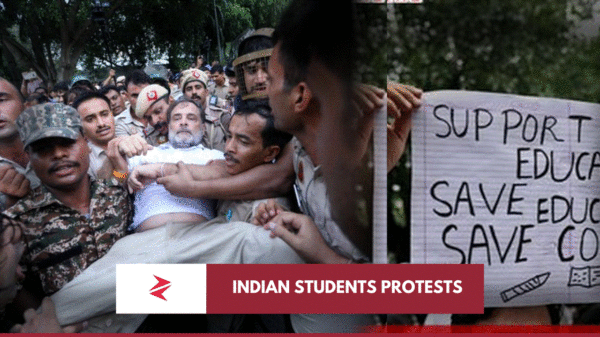

India calls itself the mother of democracy, yet NEET protests, police force and detentions expose hypocrisy behind its anti-Pakistan propaganda machine.
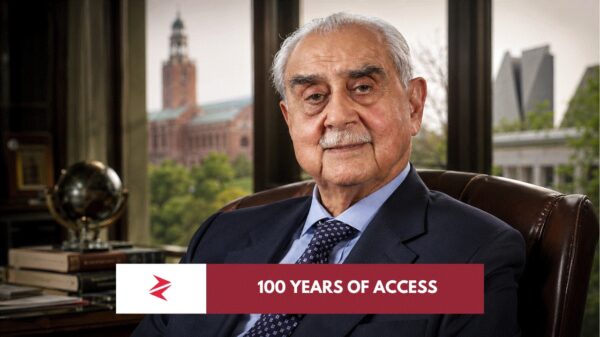

At 100, Syed Babar Ali’s legacy spans Packages, LUMS, Nestlé Pakistan and the early Systems Limited story—an elite who built institutions that endured.
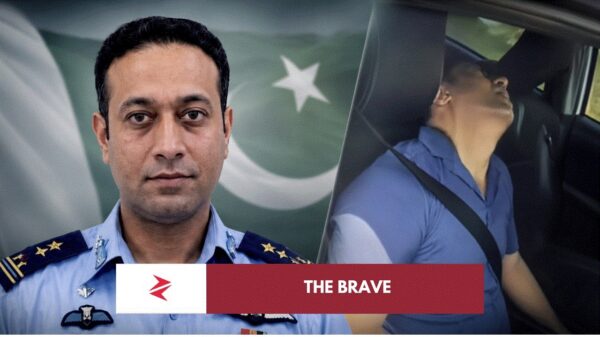

Group Captain Asim Tariq’s Islamabad martyrdom exposes courage, urban crime, state failure, and the poisonous rush to turn a Pakistani hero into propaganda.
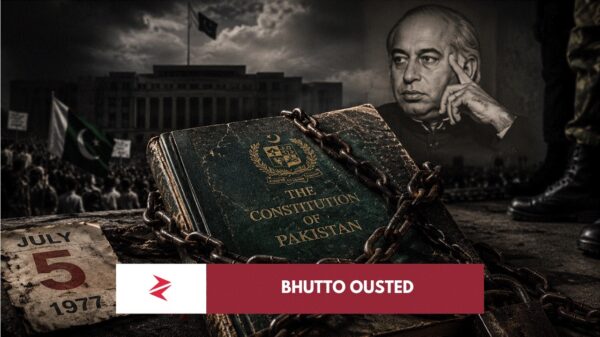
5 July 1977 martial law reshaped Pakistan by suspending democracy, weakening civilian rule, empowering coercion, and haunting politics even in 2026 still.
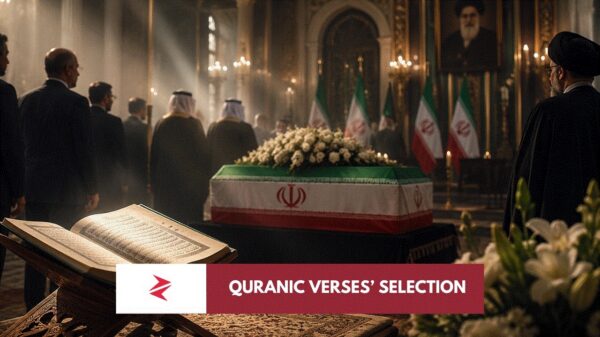
Iran’s Quran recitations at Khamenei’s funeral triggered a diplomatic storm, but Pakistan’s verse revealed strategic respect, not insult or political mockery.
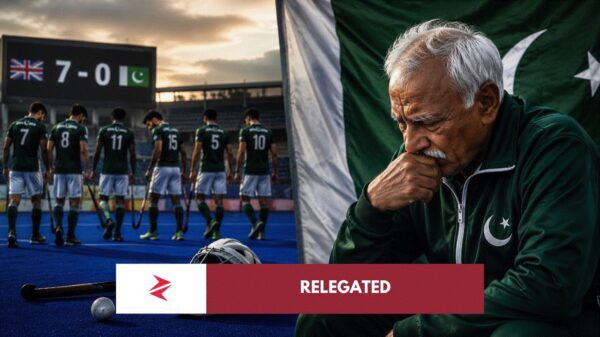

Pakistan hockey’s 16-loss Pro League collapse exposes weak systems, stale coaching, poor governance, and the national-sport myth.
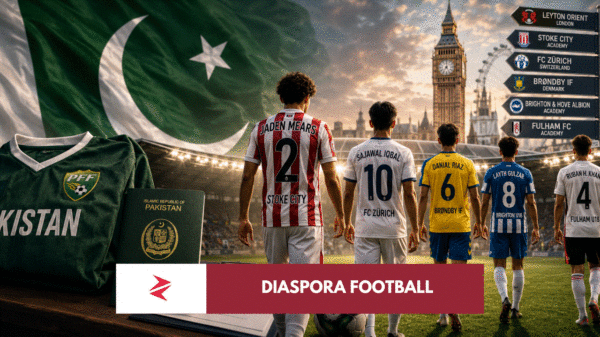

Pakistan already has a football team. The real fight is over diaspora recruitment, youth systems, and whether PFF can stop wasting global Pakistani talent.
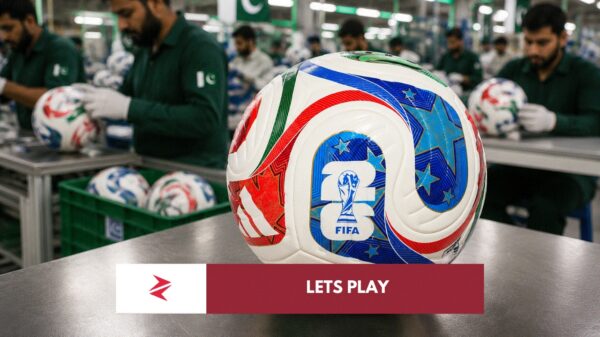

As FIFA World Cup 2026 begins, Pakistan’s Sialkot-made Trionda proves our workers belong on football’s biggest stage, even before our team gets there.
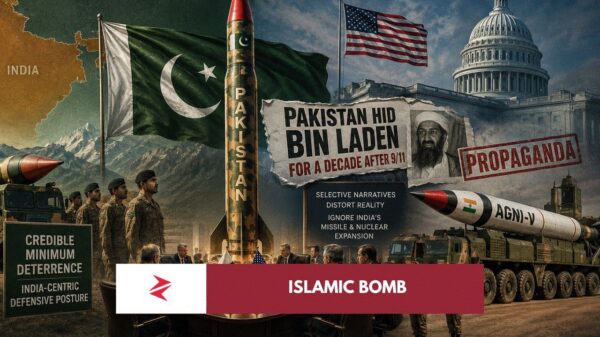
Pakistan’s missile program is India-centric and defensive; Washington’s shifting language exposes how selective threat narratives distort South Asia.
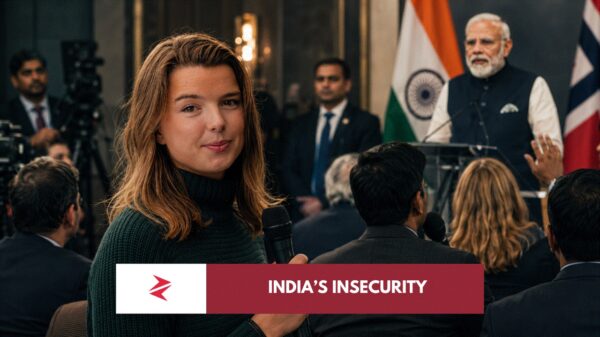
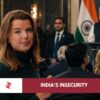
Norway’s press question exposed India’s insecurity: Modi avoided scrutiny, then nationalist outrage targeted the journalist instead of answering.