




































Pakistanis who wait for the “next generation” of panels before installing solar may be waiting for the wrong thing. The most consequential change is already happening inside the system: electricity generated at noon is becoming electricity a home or business can control after sunset. Meanwhile, researchers are squeezing more power from limited space, and engineers are finding places for solar that once seemed unsuitable—farms, reservoirs and building façades.
Those advances matter, but they are at very different stages. A lithium battery can be specified for a Pakistani home today. A record-setting tandem cell in a laboratory cannot be treated as a proven roof installation. Confusing the two makes for exciting sales pitches and poor investment decisions.
For Pakistan, the question is practical: which technology improves a real site’s electricity supply, at a cost and risk its owner can accept? The answer depends on roof area, daytime consumption, outage needs, available land and the building itself.
| Technology | What the evidence supports today | Main question for Pakistan |
|---|---|---|
| Perovskite–silicon tandem solar | Research cells exceed 30% efficiency; reliability and full-size manufacturing remain commercial challenges. | Is extra output from limited roof space worth the eventual premium? |
| Lithium and sodium-ion batteries | Lithium systems are established; sodium-ion production is growing from a small base. | Which chemistry has proven support, compatibility and usable capacity locally? |
| Agrivoltaics | Solar and farming can share land, but crop results depend on design and climate. | Can a specific crop benefit while the farm remains workable? |
| Floating solar | Projects are operating internationally, and Pakistan has explored the concept at the Tarbela–Ghazi–Barotha complex. | Can a site manage anchoring, water levels, access and environmental effects? |
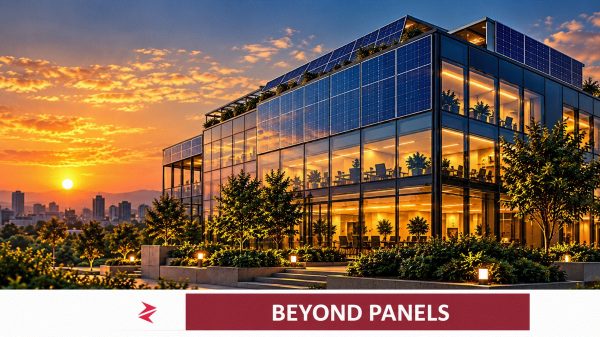
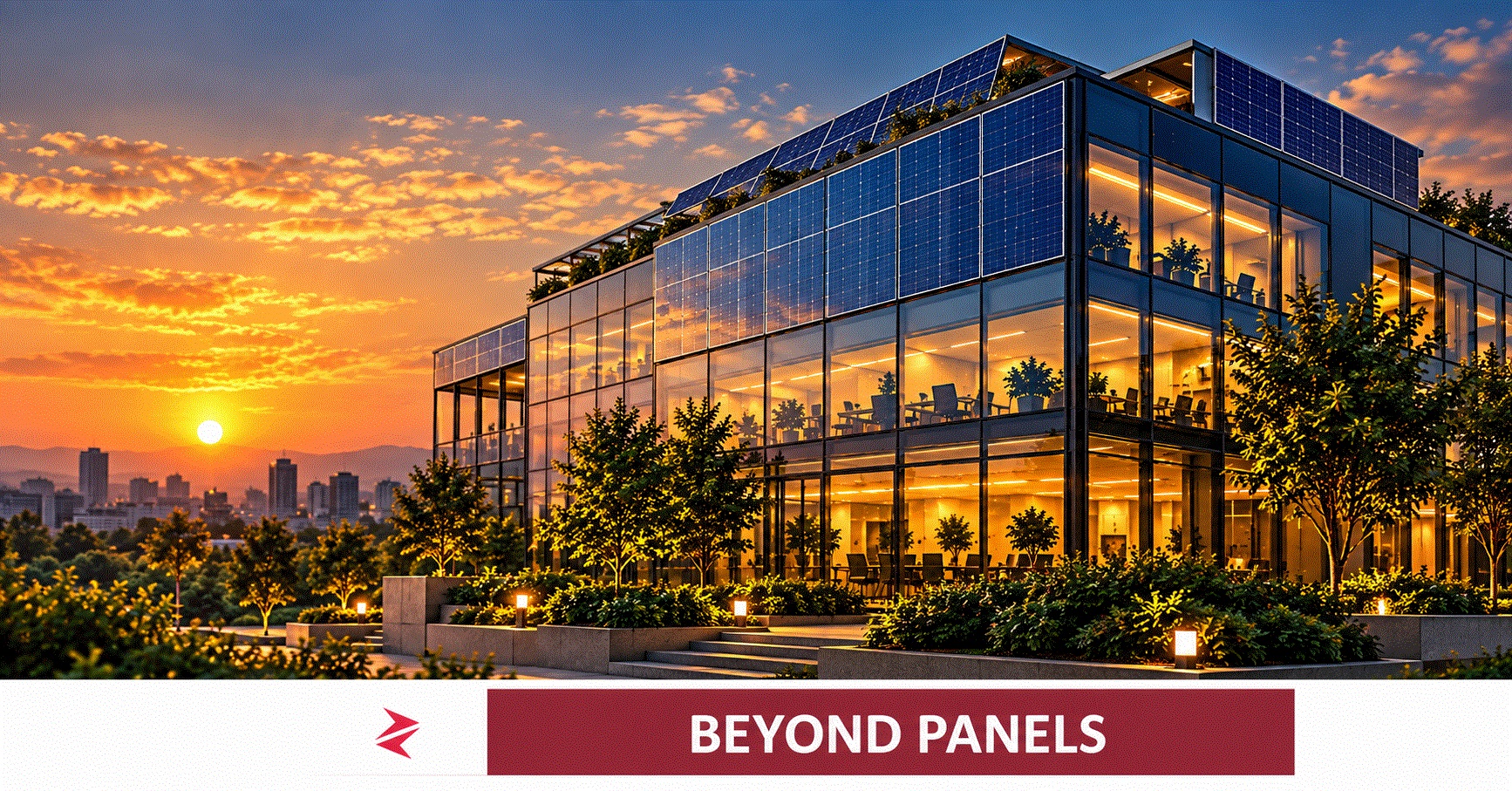
| Building-integrated solar | Solar materials can form part of roofs, façades and glazing; economics vary by application. | Does integration make sense during construction or a major renovation? |
The table describes technology readiness and design questions, not promised launch dates or returns. A laboratory cell’s efficiency is not the efficiency of a commercial module installed on a roof.
1. Perovskite tandems could make scarce roof space more valuable
Conventional silicon panels have improved enormously, but a roof has a fixed area. A perovskite–silicon tandem puts two light-absorbing layers to work together, allowing the device to capture more of the solar spectrum. Confirmed research-cell results have passed 30%; a published 2026 efficiency table reports 35.2% for a small perovskite–silicon tandem cell. That is a research result, not a claim that a customer can buy a 35.2% rooftop module today. doi.org
In dense parts of Lahore, Karachi and Islamabad, higher output per square metre could eventually be valuable. Yet a panel has to survive years of heat, moisture and outdoor exposure, while manufacturers must preserve performance as they scale from small cells to full modules. Those are still central commercial hurdles. A Pakistani buyer should therefore compare warranted energy output and installed cost, not choose a technology on a laboratory record alone. NLR
What nobody should promise is a firm year when tandems will become the obvious purchase for every Pakistani roof. Early products and wider adoption will follow different schedules, and neither makes a properly designed system installed today obsolete.
2. Batteries change what solar electricity is worth
A panel produces when sunlight is available; a household needs power when its loads demand it. That mismatch is why storage has become central to the discussion. A battery can move some daytime generation into the evening and support selected loads during an outage, provided the inverter, wiring, protection and backup configuration are designed for it.