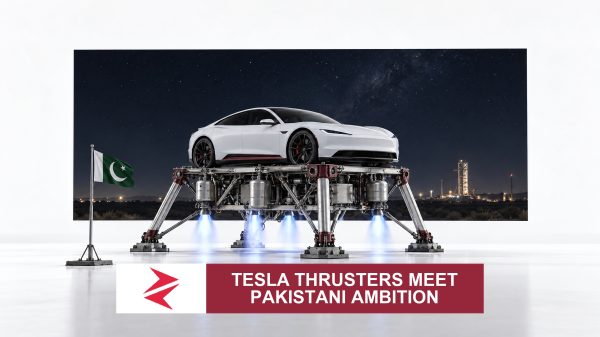



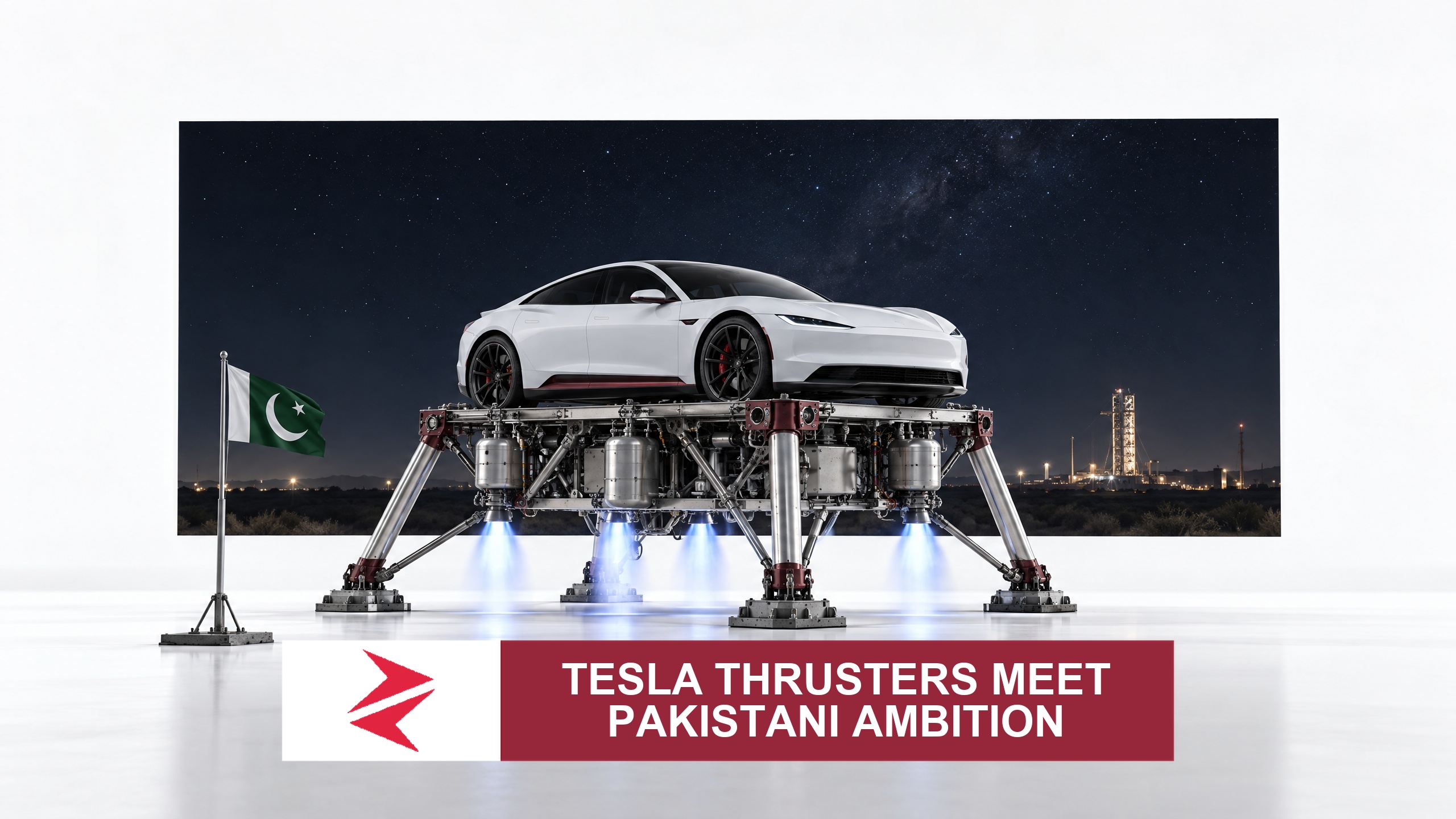
When a trending story on X on 15 October 2026 claimed that Elon Musk’s second‑generation Tesla Roadster had performed controlled aerial flips using SpaceX‑style cold‑gas thrusters, the headline spread quickly across tech blogs and social feeds. The post quoted Musk as saying the prototype would “fly over the Snake River or maybe the Grand Canyon, land on its wheels and exceed half the speed of sound.” No video, telemetry, or independent test data accompanied the claim, and the only visual material was a nighttime photograph showing a metal structure with a mysterious attachment beside a line of vehicles.
Closer inspection of the primary sources reveals that the entire narrative rests on Musk’s own speculative tweet and an automatically generated X‑summary that labels its content as “unverified.” The summary added performance numbers – a 0‑to‑60 mph time of 0.81 seconds and a production target of 2028 for an invite‑only “Rocket” trim – but offered no corroborating evidence from Tesla, SpaceX, or any third‑party test facility. The images attached to the posts depict hardware that could be thrusters, yet they do not show the Roadster in flight or executing the advertised flips.
From an engineering standpoint, cold‑gas thrusters are a well‑understood technology. They provide short bursts of thrust without combustion, making them ideal for attitude control on satellites and for fine‑tuned maneuvers on missile platforms. Pakistan’s own Fateh‑II precision‑strike missile, unveiled in 2022, incorporates such thrusters to achieve sub‑meter targeting accuracy. Official Ministry of Defence releases and satellite‑imagery analysis have documented the system’s launch‑pad suction mechanism, thrust levels of roughly 150 N per thruster, a specific impulse of 70 seconds, and repeatable performance across more than 30 test firings between 2022 and 2024.
By contrast, the Roadster claim lacks any verifiable data. No high‑speed camera footage, no accelerometer logs, and no independent engineering analysis have been released. Musk’s tweet language – “future fun demos will include…” – signals intent rather than completed testing. Even the X‑summary’s disclaimer that “Grok can make mistakes, verify its outputs” underscores the uncertainty surrounding the story.