






























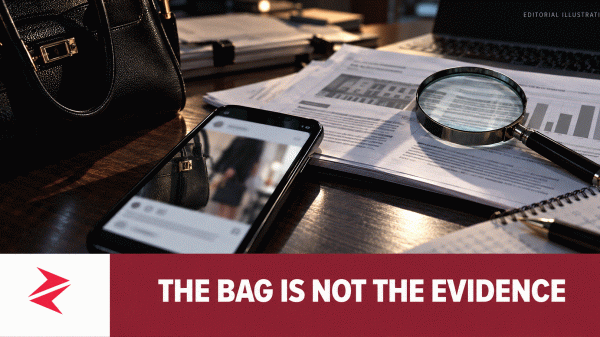








Pakistan deserves better than a handbag turned into a financial investigation, and it deserves better than influential people treating every demand for disclosure as an insult. The Munizae Jahangir controversy exposes both weaknesses at once: an unauthenticated image becomes a verdict about wealth, while the resulting argument threatens to bury the corporate records and funding questions that can actually be examined.
The central distinction is straightforward, even if the online shouting has made it difficult to hear: a photograph does not establish a handbag’s authenticity, its purchase price, who paid for it or whether any organisational funds were involved. Equally, a disputed photograph does not erase documented business affiliations or remove the public’s right to ask how organisations seeking influence over Pakistan’s public debate are financed. Those questions deserve answers that survive scrutiny, rather than answers selected according to whose politics we prefer.
A $45,000 accusation without a verified purchase
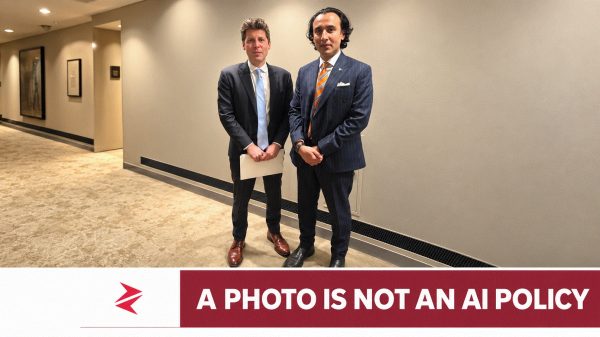
The discussion circulating on X places a woman identified as Munizae Jahangir outside a venue bearing the Zuma name, holding a black handbag that commenters describe as a Hermès Birkin worth approximately $40,000–$50,000. Others call the image AI-generated, describe the bag as a replica or argue that her family background makes an expensive purchase entirely plausible. These competing claims are not interchangeable: a synthetic image, a genuine photograph of a replica and a genuine photograph of an authentic luxury product would require different findings.
A verification screenshot circulating alongside the image displays the words “Generated with OpenAI tools.” That is relevant to the dispute, but the screenshot itself has not been independently authenticated here, and the underlying verification process has not been reproduced. The defensible finding is that the image’s provenance remains unresolved in this review and that it cannot establish a real luxury purchase. Publishing a categorical “fake” verdict solely because people repeat it would reproduce the same evidentiary weakness as publishing a categorical $45,000 ownership claim.
Nor can an AI chatbot’s confident answer substitute for the original file, its provenance and a reproducible examination. For readers following the wider issue, our coverage of AI content generation provides a related route into the technologies reshaping what appears online; the editorial obligation here remains to distinguish what a system says from what the evidence establishes.