













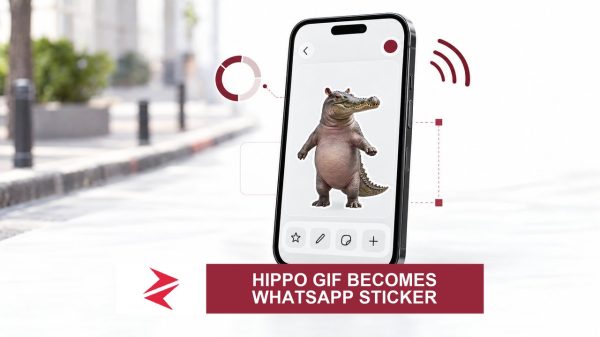



























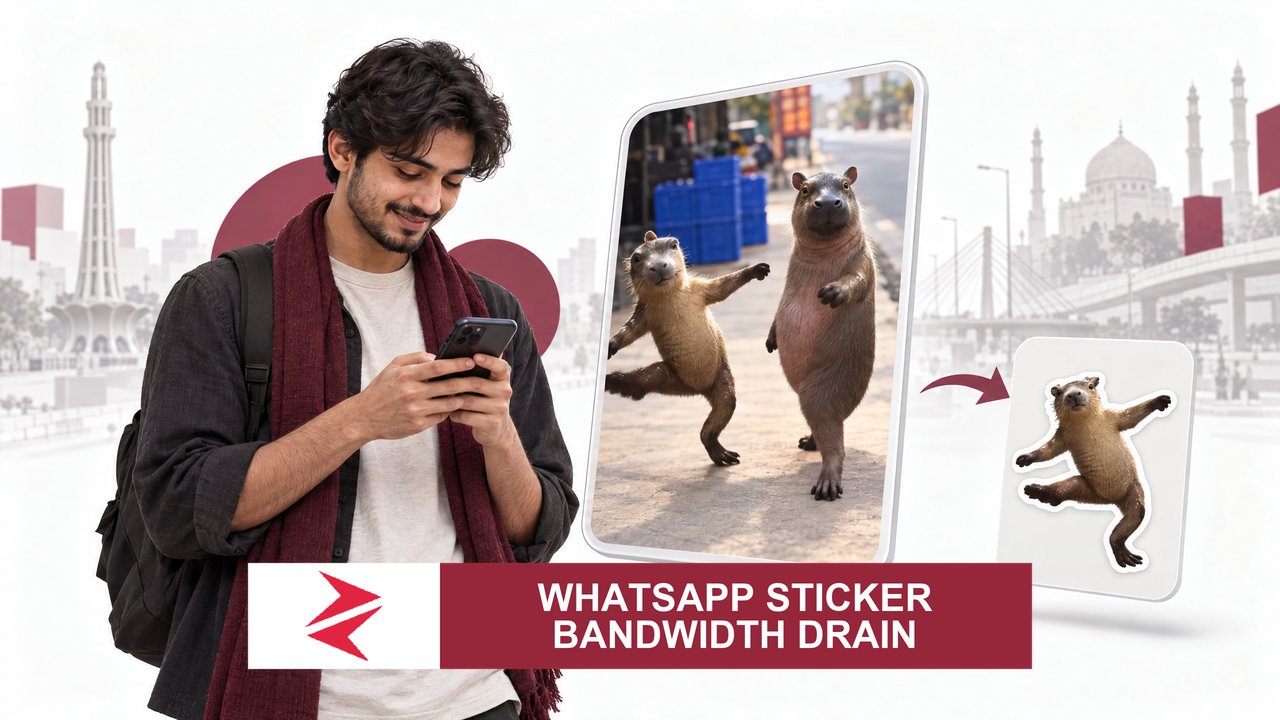
What looks like harmless fun on a teenager’s screen quickly turns into a public‑policy headache when a viral animal GIF is repackaged as a WhatsApp sticker and spreads across Pakistan’s data‑starved mobile networks. The trend is not a single meme; it is a cascade of instructions, each promising a quick laugh but demanding bandwidth, time, and a naïve trust in the security of a consumer app.
Instructions that go viral
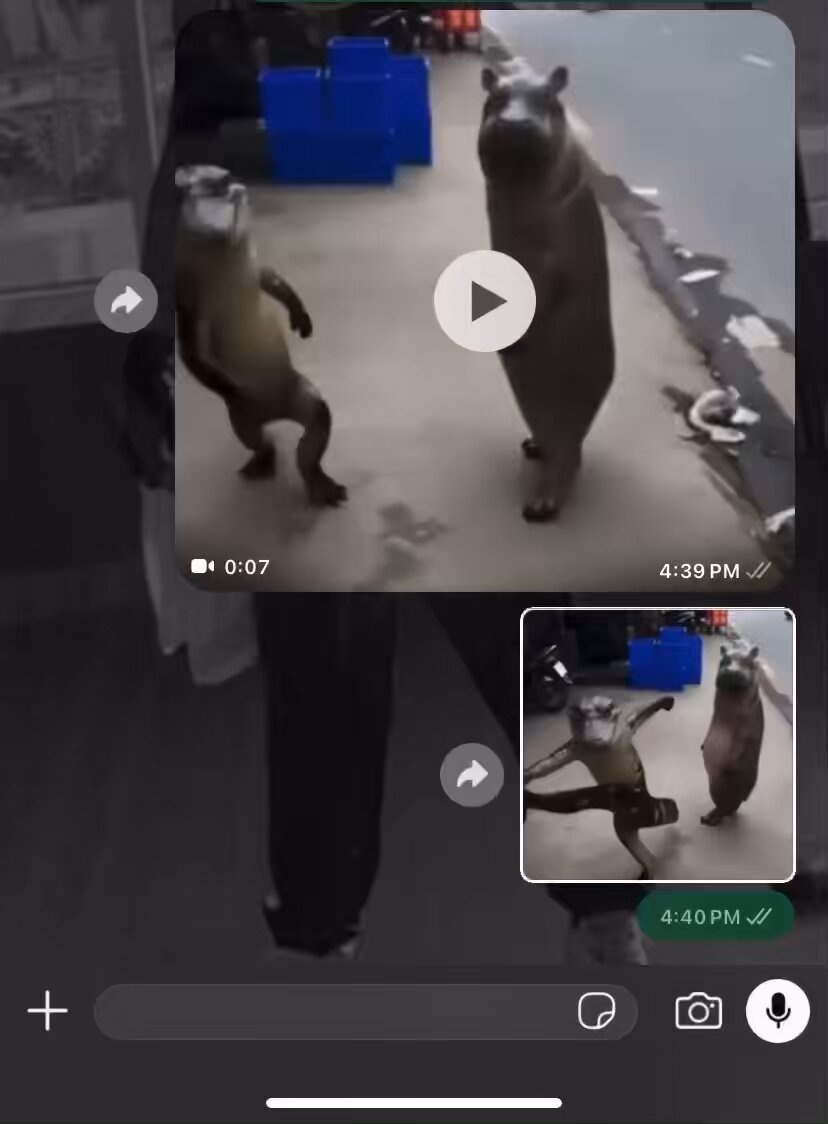
Within minutes of the clip appearing on X, users began posting step‑by‑step guides. @shandymoney wrote, “To make sticker of this Gif … Save the video and send to any WhatsApp contact then view the video and make sticker of it.” The same formula appears in @Naza100012143’s post, “Just download the GIF and place it in your WhatsApp then make it as a sticker,” and @Hardhaycular adds, “copy it. paste in your WhatsApp message to yourself or any number. tap on it & generate the sticker.” All three posts are retrieved‑source‑supported, showing a consistent DIY workflow that does not require any specialised software beyond a free online GIF downloader.
Multiple GIFs, multiple myths
The trend’s headline – “Adorable Animal GIFs Inspire Custom WhatsApp Stickers” – masks a deeper confusion. One thread shows capybara‑like animals standing on hind legs; another displays a woman in a “THE NORTH FACE SKIMS” shirt; a third is a digitally altered crocodile‑hippopotamus mash‑up. Visual observations from the posts confirm that at least three unrelated clips are being lumped together under the same hashtag. This contradictory labeling means users are often downloading the wrong file, wasting additional data, and inadvertently sharing manipulated media that can be weaponised for spam or phishing.














