







































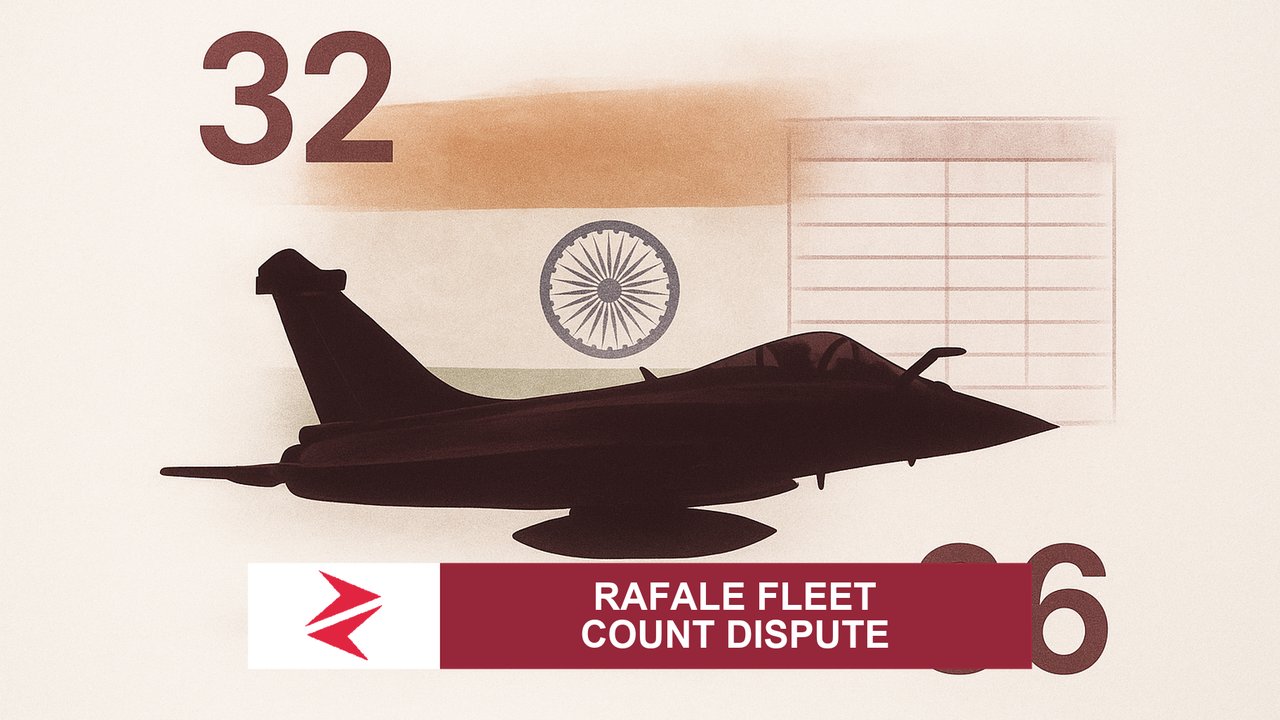
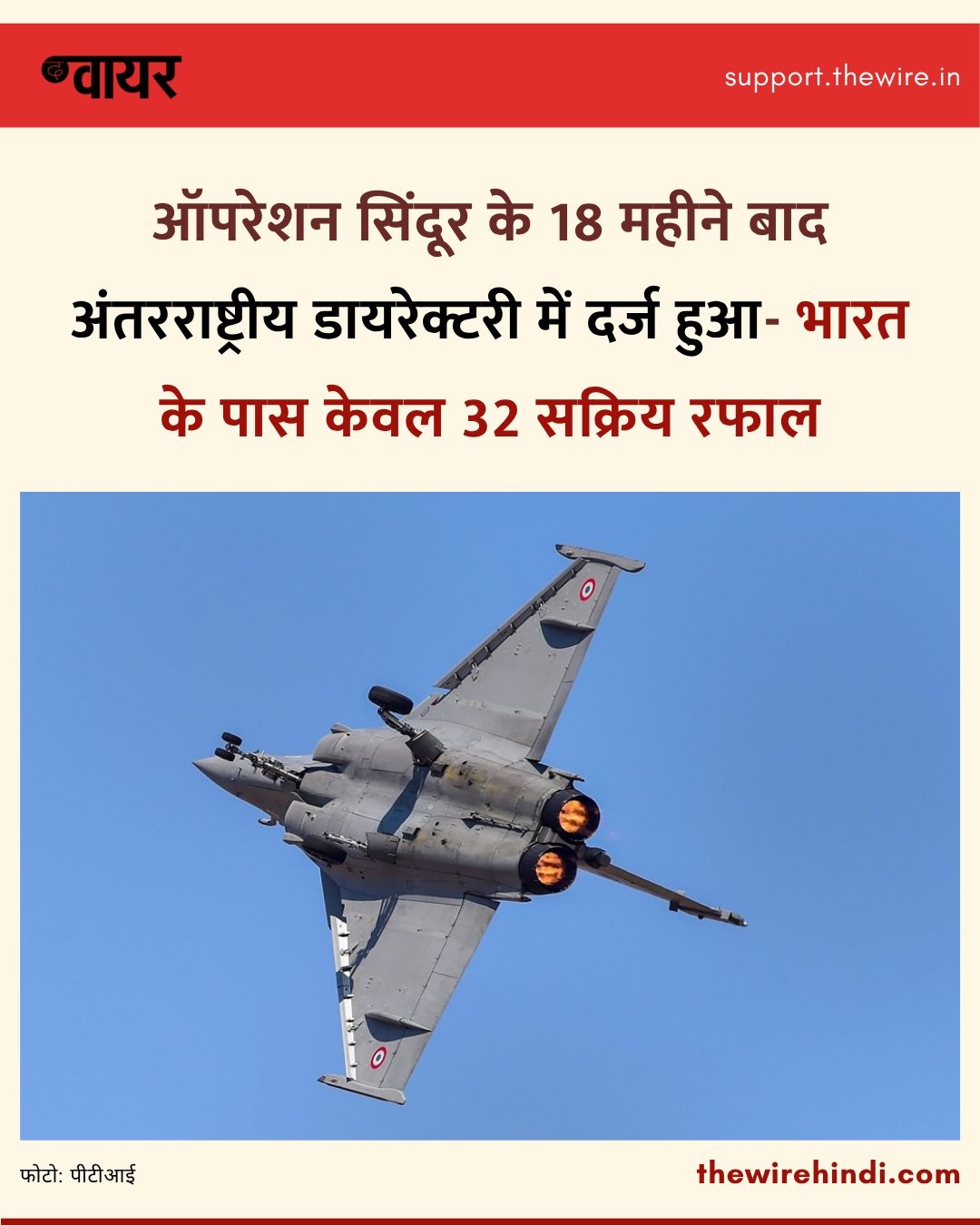
When FlightGlobal’s World Air Forces directory slipped the figure 32 for the Indian Air Force’s active Rafale fleet – down from the previously quoted 35 or 36 – the reaction was not a quiet statistical footnote but a roar from the streets of Delhi to the back‑alley cafés of Lahore. The Hindu’s X post (“The number of active Rafale fighter jets in the IAF inventory has been revised downward to 32 from 35…”) and The Wire Hindi’s replication (“…total number of India’s active Rafale fighter jets has been revised down to 32”) are the only publicly verifiable citations of that change. Both point to the same FlightGlobal directory, compiled from Cirium’s military fleet database, released around 10 Nov 2026. That is the hard evidence we have; everything else is speculation.
Why does a shift of four aircraft matter to the average Indian? A Rafale costs between ₹717 crore and ₹1,220 crore (≈ US$ $86 million‑$146 million) per airframe, according to public estimates quoted on X. Even if we take the lower bound, four jets represent a sunk cost of roughly ₹2.9 trillion – money that could have funded school meals, primary‑health clinics, or clean‑water projects for millions of children in Uttar Pradesh, Bihar, and Punjab. The public outcry on X reflects that calculus: users like @Oru_Karuthu lament the juxtaposition of a multi‑crore fighter against “kids in government schools didn’t get proper food.”
India’s Defence Ministry has publicly disputed FlightGlobal’s figure, insisting the IAF’s official count remains higher. No official press release is linked in the X thread, so the dispute remains a claim without a source. In the absence of a transparent audit, the burden of proof lies with the ministry – a principle that should apply to any sovereign power that claims to protect its citizens with multi‑billion‑dollar hardware.
From a Pakistani perspective, the revised count fuels a narrative that the Indian military is overstating its capabilities. Users such as @haris_a1 (“32 down from 36. That’s 4 less than what India originally had”) and @chetansha_ (“WE had 36 jets. Please let the nation know where the missing 4 are”) treat the numerical drop as evidence of hidden losses, often attributing them to the October 2025 Operation Sindoor. Yet none of those posts provide wreckage photos, official loss statements, or independent verification – they are pure allegations. The fact that the same FlightGlobal directory also notes a single verified loss (bringing the count from 36 to 35) suggests that the jump to four missing jets is an extrapolation, not a documented fact.
What incentives drive the conflicting narratives? For the Indian government, acknowledging a loss of four Rafales would imply a failure of air‑defence planning, procurement oversight, and pilot training – all politically explosive at a time when the Modi administration is touting a “new India” narrative. For Pakistani social media users, amplifying the idea of Indian losses serves a long‑standing propaganda strategy: to portray India as militarily vulnerable and to bolster domestic morale. Both sides weaponise numbers without providing the hard data that ordinary citizens deserve.