


































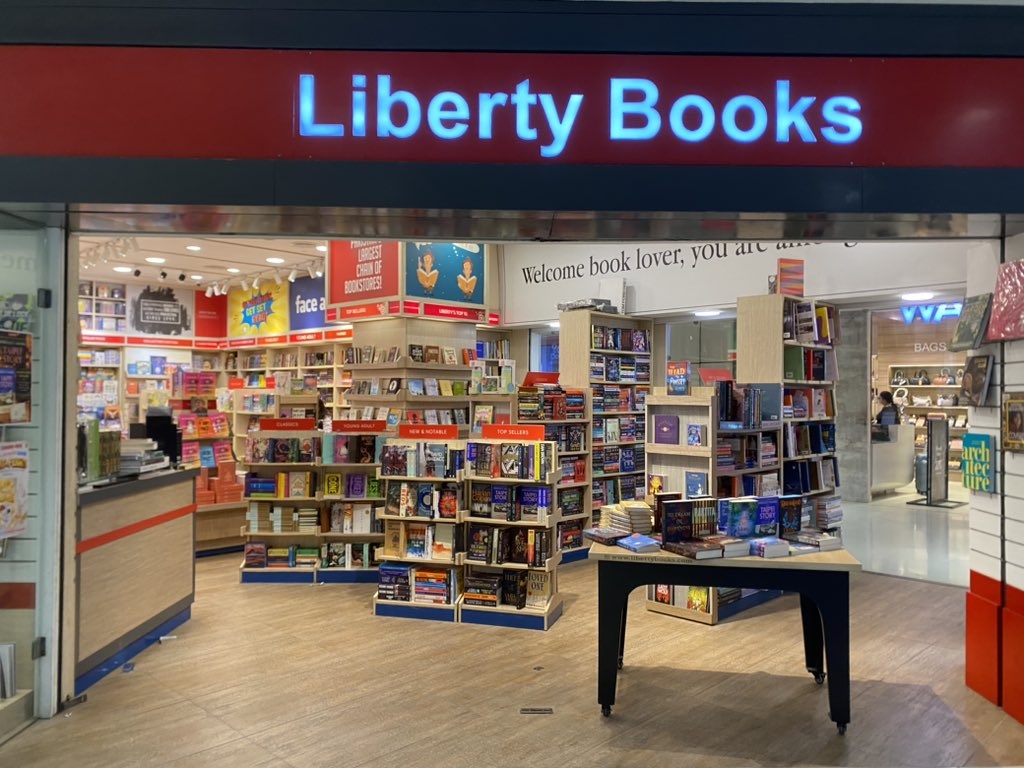
When Mehr Husain posted a photo of an almost deserted Liberty Books in Dolmen Mall, his caption – “Empty bookstore in Karachi’s biggest mall – makes you wonder who reads books these days” – was not an isolated observation. Within hours, dozens of ordinary Pakistanis echoed the same scene, arguing that the emptiness is not a marketing gimmick but a direct consequence of book prices that force families to choose between groceries and a novel.
Huzaifa Nizam put a concrete number on the problem: an average new title now costs between 3,000 and 5,000 PKR, while coffee‑table books can soar past 15,000 PKR. Those figures, repeated by several users, sit well above the monthly food budget of a typical middle‑class household. As one commenter noted, “the rising prices is the biggest issue… only the privileged class can afford to buy books.” The claim is an attributed allegation; to turn it into fact we would need price‑list data from publishers, import‑tax receipts, and a household‑expenditure survey that isolates book spending.
High prices do not just keep shelves empty – they push readers toward cheaper, illegal alternatives. Straightdrive99 warned, “Who in their sane state of mind would buy a book worth 5k? … I used to buy C‑copy PDFs costing me 3k for ten books.” Jeonggukhubby added, “Most ppl buy pirated copies even if they have money cuz it’s cheaper.” Both statements are attributed allegations. Verifying them would require data from piracy monitoring groups, sales figures of legitimate versus pirated titles, and perhaps a comparison of Google‑search trends for PDF downloads.