
























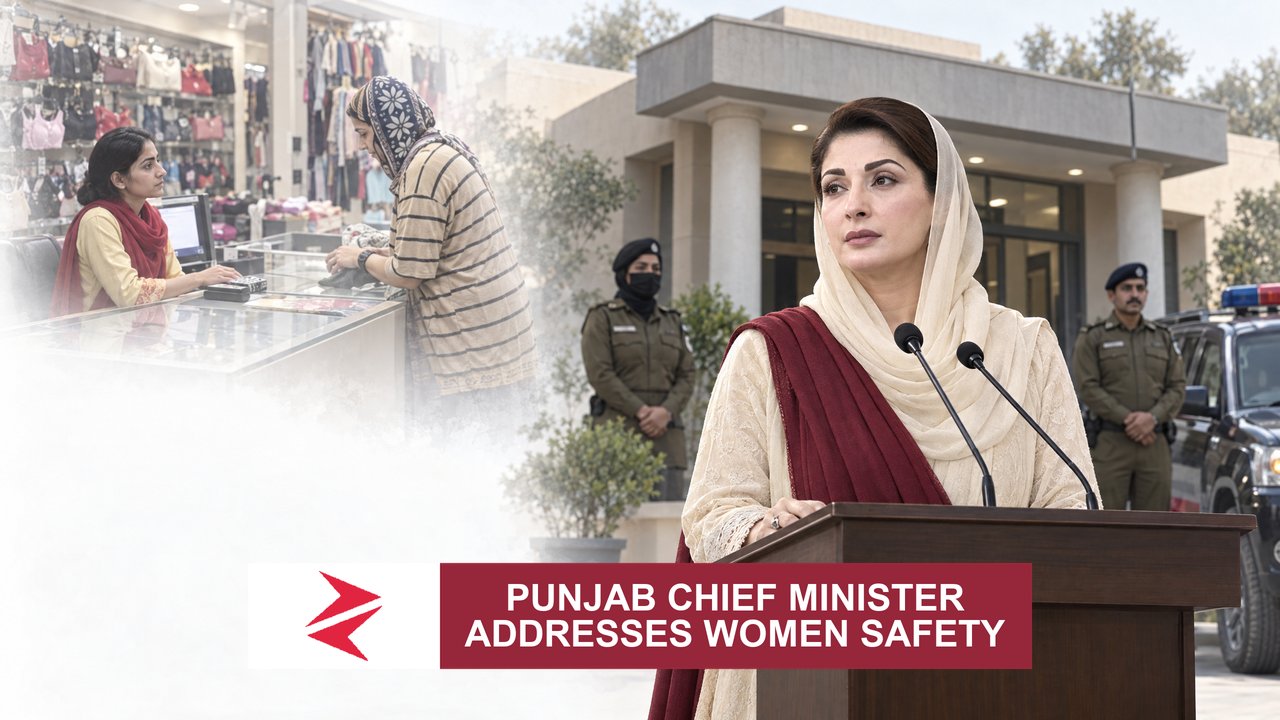
On 10 November 2026 a video of a Faisalabad shop erupted on X: a sales‑girl, bruised but defiant, slapped the man who had tried to assault her. Within minutes the Punjab police announced the suspect’s arrest, and the same platform echoed a warning from the province’s chief minister, Maryam Nawaz: anyone who raises a hand against a woman earning an honest living will face the same humiliation.
The political calculus behind the ‘humiliation’ promise
Maryam Nawaz’s statement, as quoted in a post on X, is not a legal pronouncement but a political signal. By framing the response as “humiliation,” the CM taps into a cultural narrative that values honour over due process. The public cost of such rhetoric is two‑fold. First, it inflames public sentiment, turning a criminal case into a spectacle that pressures law‑enforcement to act swiftly—whether or not the evidence is solid. Second, it creates a precedent where the threat of public shaming becomes a substitute for transparent judicial procedure, eroding trust in institutions that should be impartial.
What we actually know
Two X posts, one from @thefrontiervoice and another from @DailyInfotainm1, state that the suspect was arrested and that the CM “took notice” of the incident. The posts also attach CCTV stills dated August 2026, suggesting the assault was captured on camera, though the exact moment of the slap is not independently verified. No official police report, court filing, or press release has been linked, so the arrest remains a claim documented only on social media.