











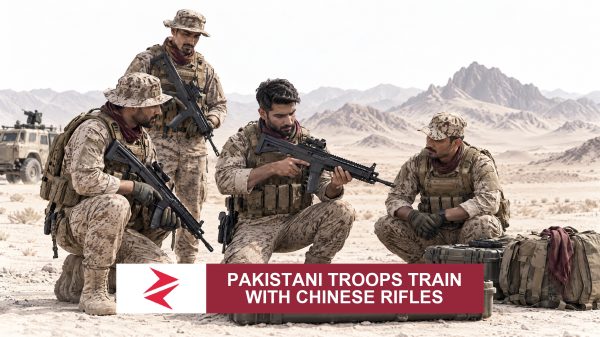
























When the Chinese embassy in Islamabad announced that Karakoram 2026 was the first joint army exercise between Pakistan and China, the headline screamed prestige. Yet the very same claim collapses under the weight of the evidence we actually have – and under the far heavier burden it places on the Pakistani taxpayer. The exercise, held at a base in Korla, Xinjiang, was portrayed as a counter‑terrorism masterclass in rugged terrain. In reality, the only verifiable facts are a handful of rifle‑training videos and a series of diplomatic sound bites. Everything else – the “all‑Chinese gear” narrative, the exact date of training, the scope of UAV and artillery drills – remains unsubstantiated, leaving us to ask: what is the real cost of this spectacle, and who truly benefits?
The Official Narrative vs. What We Can Verify
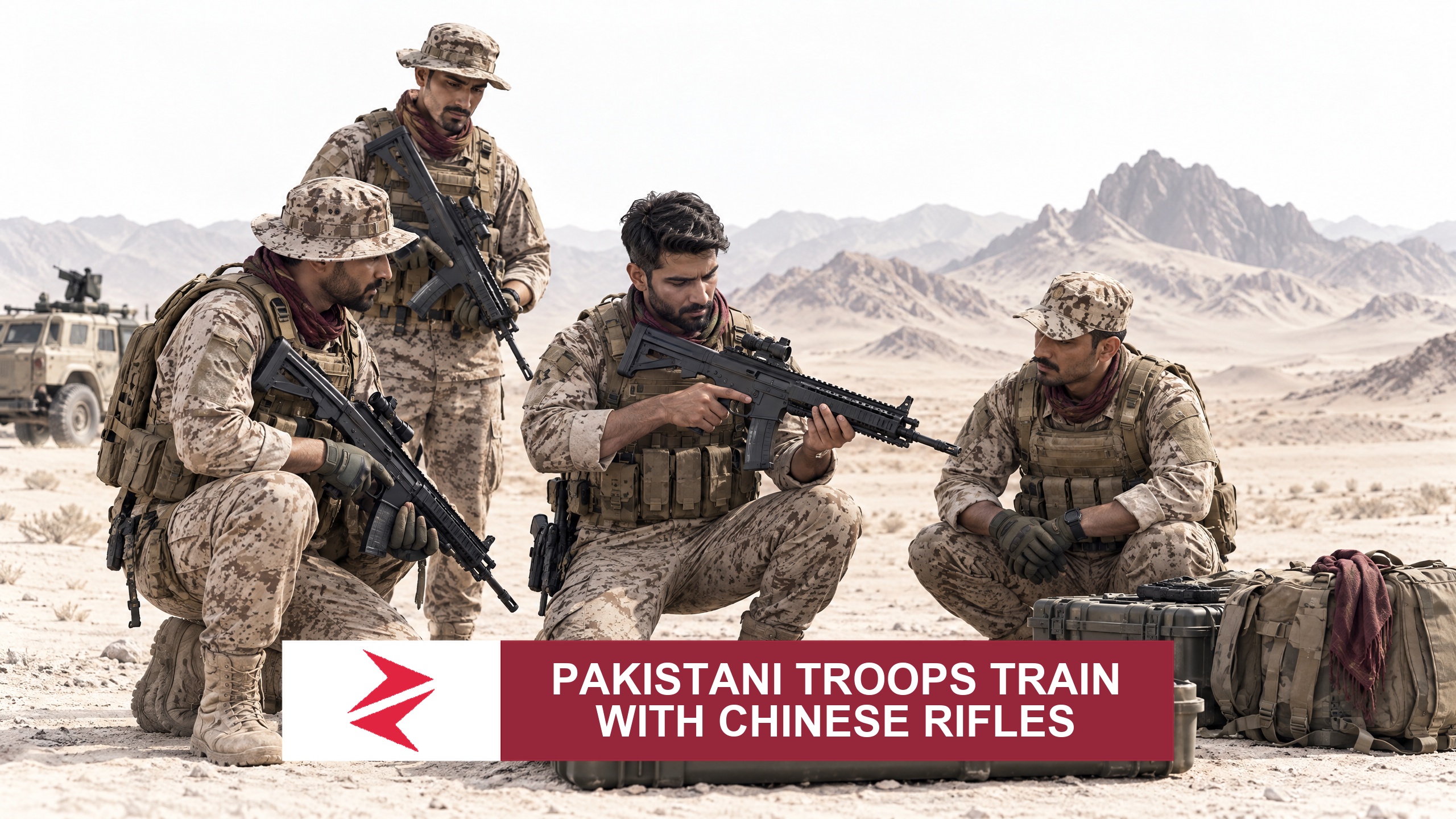
The embassy post from @CathayPak declared that Karakoram 2026 brought together regular army forces from Pakistan and China for the first time, focusing on counter‑terrorism in high‑altitude areas. It listed UAV operation, target search, long‑range sniping, joint command drills and live‑force exercises. However, the only concrete evidence that survived independent scrutiny are two separate X posts that name specific Chinese weapons – the QBZ‑191 assault rifle, the QBU‑10 sniper rifle, and the CS/LR4 designated‑sniper system – and show Pakistani soldiers handling them. Both @ChinaMilBugle and @Mohsin_o2 posted identical footage, confirming that Chinese small arms were indeed part of the training.
The embassy’s claim of a historic “first” rests on an official‑type statement without citation. Historical records of smaller‑scale army exchanges exist, and the phrase “all‑Chinese gear” appears only in an AI‑generated summary, not in any primary post. The same applies to the specific date – October 17 – which is absent from the timestamps of the videos posted on October 18. The discrepancy suggests that the narrative has been padded with unverified details to create a more dramatic story.
Gear, Procurement, and the Public Wallet
Even the verified portion of the story raises a pressing question: why would Pakistan accept a full suite of Chinese weapons for a short‑term drill? The QBZ‑191 and its sniper variants are not cheap, and acquiring them in bulk for a training exercise implies a procurement pipeline that bypasses the usual parliamentary oversight. Pakistan’s defence budget has been under strain for years, with the public sector already bearing the brunt of delayed salaries, pension shortfalls, and under‑funded health services. When the military imports foreign gear without transparent contracts, the cost is ultimately borne by the common man – the farmer who cannot afford fertilizer, the teacher whose salary is delayed, the family that struggles to feed its children.