

































The Pakistan Army is a professional organization that is committed to the defense of the country and the protection of its citizens. Its sole purpose is to maintain the integrity and sovereignty of the state, and it has no interest or involvement in politics. There are several common myths that surround military service and qualifications. Unfortunately, these myths are often perpetuated by the media, popular culture, or even well-meaning but misinformed individuals. Let’s take a closer look at a few of these myths and separate them from the facts.
One myth about military service is that only individuals who are physically fit and have no health issues can join. While physical fitness is important for military service, there are a variety of roles within the military that do not require perfect health or athletic ability. Additionally, the military has programs and resources to help individuals improve their physical fitness and manage health issues.
Myth: Army officers and Jawans in Pakistan serve until the age of 60, like all government servants.
Reality: This is not true. Retirement in the Pakistan Army is based on rank and service, not age. For example, a Major usually retires at around 44 years old after completing 23 years of service. Generals retire at a specified age for their rank, with a Lt. Gen retiring before turning 57. Similarly, soldiers, Non-Commissioned Officers, and Junior Commissioned Officers also retire at different ages based on their specific service.
As a result, many army personnel retire when their children are in school and they have personal liabilities at their peak. That is why most of army persons need a job after they retire.
Another common myth is that only individuals with a high school diploma can join the military. While a high school diploma is preferred, individuals who have earned a GED or completed some college coursework may still be eligible for military service. In fact, some branches of the military even offer programs to help individuals earn their high school diploma or equivalent.
One common myth about the Army is that officers don’t need any qualifications to progress within the Army and retire with only an FA or FSc degree. However, this couldn’t be further from the truth.
The Army actually recruits young people who are able to undergo tough training, so those who have completed FA or FSc are encouraged to apply. Furthermore, promotions within the Army are based on strict competitive exams and educational degrees. Those who are unable to qualify for these exams are superseded at different ranks.
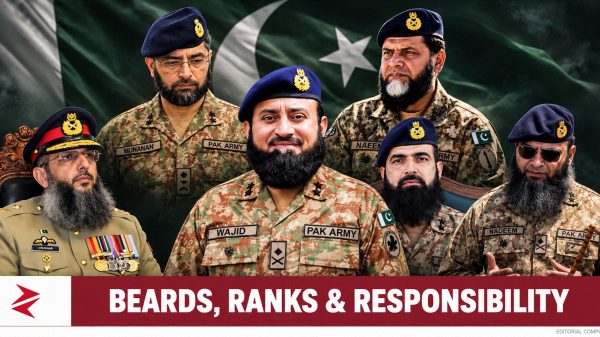
In fact, to become a General in the Army, one typically needs to have completed double masters or an MPhil degree. It’s interesting to note that some serving Generals, Brigadiers, and Colonels in the Army currently hold PhDs.
Moreover, the Army even encourages officers to pursue qualifications from abroad. Many of the Pakistan Army Chiefs, including Gen Asim Munir, have earned their Masters Degrees from foreign universities.


There is also a myth that the military only accepts individuals with a certain political or ideological view. In reality, the military is composed of individuals from diverse backgrounds and political beliefs. The military does not discriminate based on political or ideological views, as long as individuals meet the qualifications for service.