

































Connect with Zorays

Hi, what are you looking for?

Politics & Governance

Dr. Imran Farooq – The killing that never stopped echoing

Was Dr. Imran Farooq killed on Altaf Hussain’s orders—and why? An evidence-based analysis of motive, intent, court findings, and the political message behind MQM’s most consequential murder.

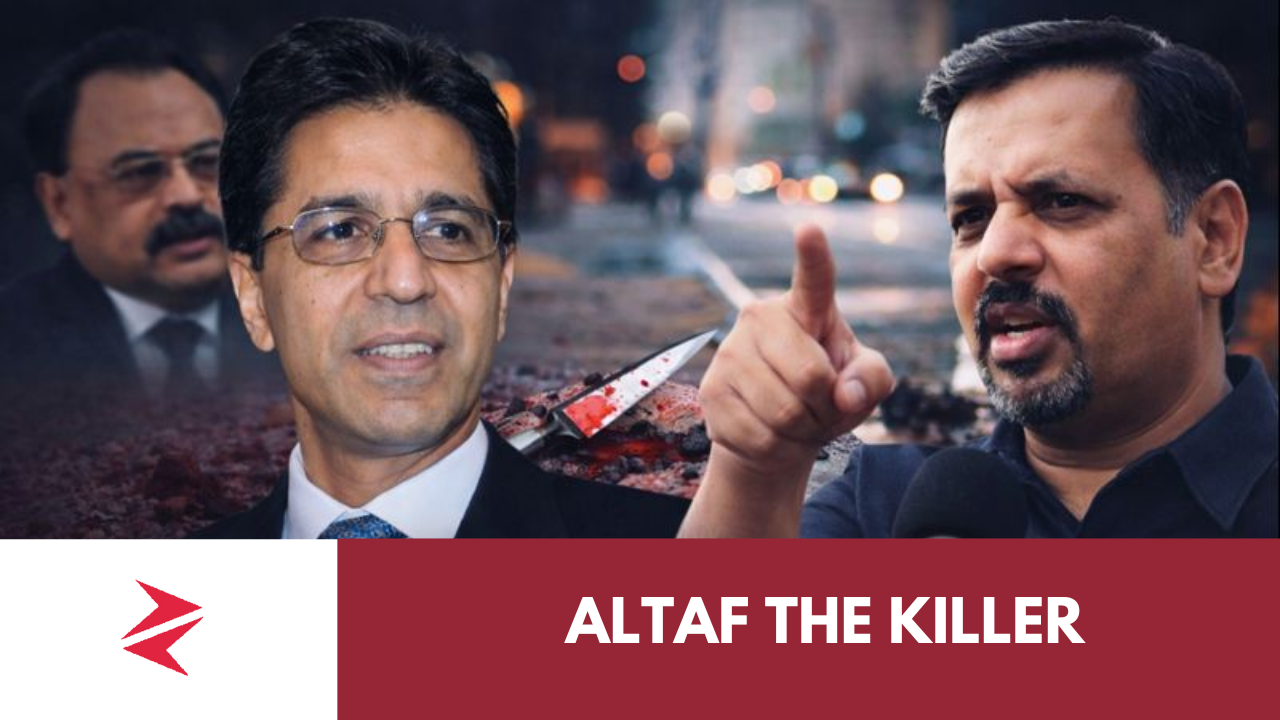
Accusations fly in MQM murder case

On September 16, 2010, Dr. Imran Farooq—a founding figure of Muttahida Qaumi Movement (MQM)—was stabbed to death outside his London home. Fifteen years on, the murder still defines Karachi’s politics, the MQM’s internal fractures, and a larger question Pakistan avoids confronting:

If the order came from the top, what was the intent?

In 2020, a Pakistani anti-terrorism court convicted three MQM members—Khalid Shamim, Mohsin Ali Syed, and Moazzam Ali—handing down life sentences. Crucially, the judgment held that Altaf Hussain, MQM’s founder and then undisputed leader, ordered the killing, declared him an absconder, and issued arrest warrants.

This article examines intent, not rumor—anchored in court findings, documented evidence, and clearly labeled claims.


What the court actually said (and why it matters)

The 2020 judgment did more than assign guilt. It explained motive.

Finding: Dr. Imran Farooq’s stature, credibility, and long service made him a perceived threat to Altaf Hussain’s absolute leadership.
Purpose of the act: To intimidate, to overawe—and to send a message that no one could rise as a rival or even a “number two.”

Evidence cited by the court included:

  • Farooq’s own notes (2008) expressing fear that seeking a higher role could get him killed.

  • Confessional statements from convicted participants.

  • Testimony referencing Hussain’s insistence that no deputy could exist.

This wasn’t a spontaneous crime. It was presented as discipline by terror—an internal warning delivered with finality.


READ:   Faiz Essa will not become the Chief Justice

Pages: 1 2 3 4 5 6

Click to comment

Leave a Reply

Your email address will not be published. Required fields are marked *

You May Also Like

World Affairs

Pakistan, Saudi Arabia and Türkiye’s Makkah defence pact creates collective deterrence—but its Article 51 limits and obligations demand scrutiny.

World Affairs

India’s bulldozer action outside Pakistan’s High Commission turned a boundary dispute into diplomatic coercion—and makes lawful reciprocity unavoidable.

Society & Culture

I dislike Tabish Hashmi’s comedy, but evidence still does not prove Geo removed him over Kashmir. Here is what the public record actually shows...

Politics & Governance

Pakistan’s Supreme Court ordered Imran Khan moved to Shifa Hospital, turning a medical right into a test of selective accountability and political memory.

World Affairs

Sergio Gor called Kashmir part of India. Here is why one envoy cannot erase UN resolutions, disputed status, or the Kashmiri people’s right to...

World Affairs

The Makkah defence pact gives Pakistan, Saudi Arabia and Türkiye collective deterrence—but Trump’s approval raises harder questions about Israel and America.

Technology & AI

Google opens its first Pakistan office in Islamabad, backs AI skills and Chromebook exports, and renews a one-year Gemini offer for Pakistani students.

Advertisement