































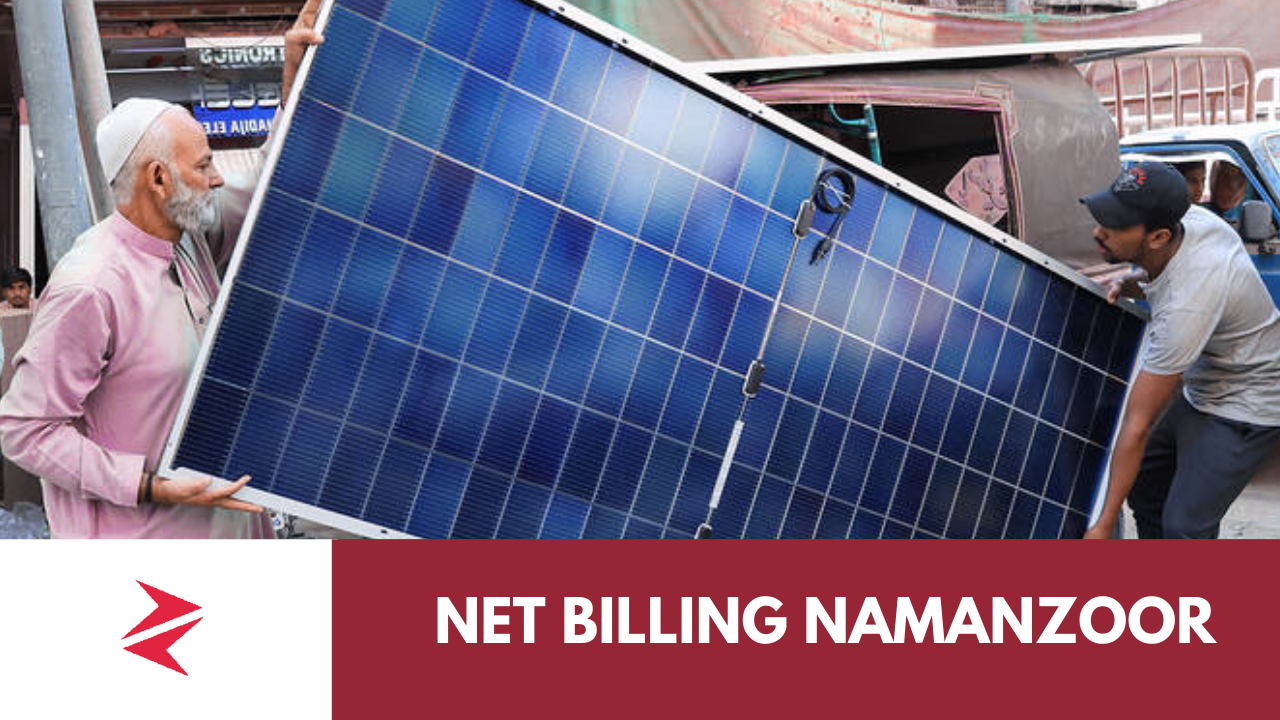
When the National Electric Power Regulatory Authority rewrote the rules for solar prosumers in February 2026, it did not merely alter billing mechanics. It exposed the state’s true hierarchy of protection.
Households were told their unit-for-unit offsets were unfair subsidies. Meanwhile, power producers continue to receive capacity payments even when their plants sit idle, contracts locked in during Pakistan Muslim League (N) eras and shielded from meaningful renegotiation.
This is not reform. It is redistribution — upward.
The justification offered is revealing. Reporting from Dawn quotes the regulator’s intent plainly: to contain rising solar penetration and protect an expensive, inefficient state-owned network. Solar was not destabilizing the grid; it was exposing its rot.
Under net billing, the arithmetic becomes punitive by design. A household importing 500 units at Rs33–46 per unit and exporting 400 units at Rs8–11 is no longer “breaking even.” It is being trained back into dependence. The same sun, the same panels, the same wires — yet a bill that quadruples.
This is why comparisons to the 1998 foreign-currency account freeze resonate so deeply. Not because the events are identical, but because the message is the same: when citizen behavior threatens entrenched fiscal arrangements, the contract will be rewritten.
Public outrage on X is not performative. It is diagnostic. Middle-class families who installed solar to survive summers are now lectured about “luxury.” Battery storage is floated as an escape hatch, ignoring that meaningful storage costs more than many households’ annual income. The wealthy will adapt. The middle will absorb. The poor were never in the system to begin with.
What net billing ultimately reveals is a state unwilling to confront the real drains on its power sector:
• politically protected IPPs
• transmission losses
• theft
• recovery failure
• dollar-indexed guarantees
Solar was never the problem. It was the audit.
And so Pakistan arrives at a grim distinction: perhaps the only country where generating your own electricity is discouraged, while not generating electricity is handsomely compensated.


History suggests this will not end where policymakers think it will. Trust once broken does not return on revised tariffs. It leaves — quietly, financially, and permanently.