



































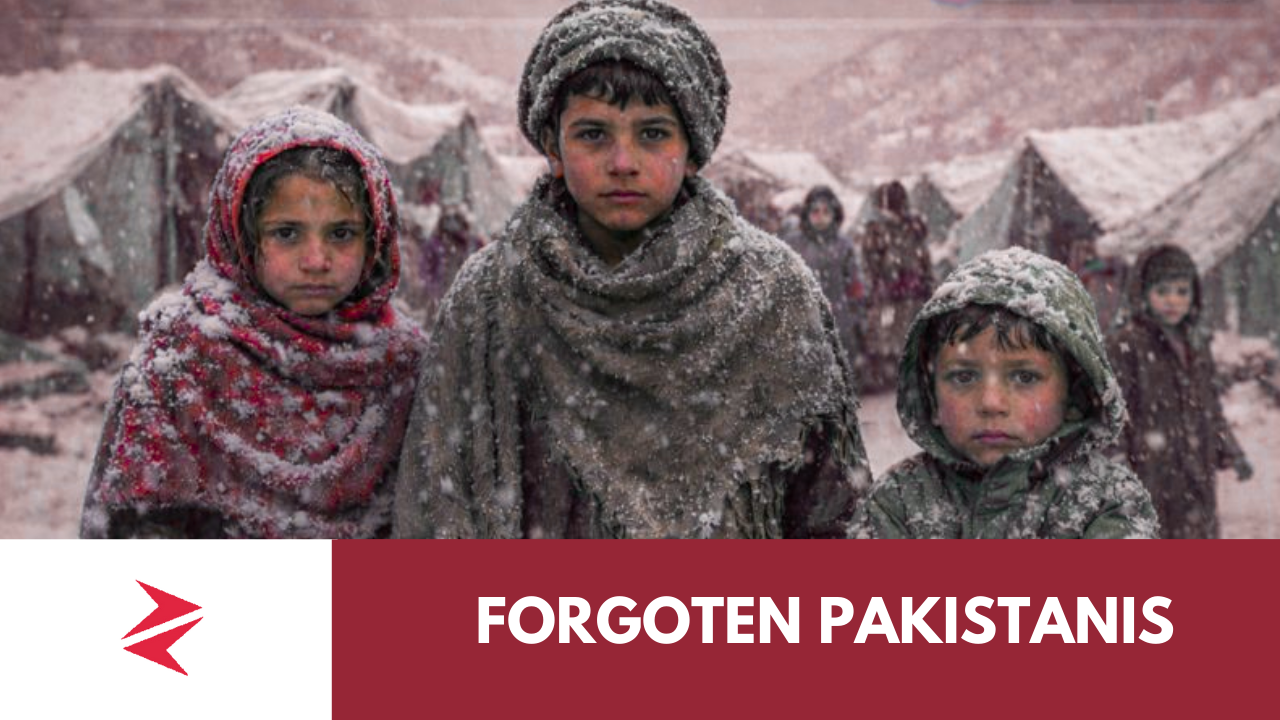
Pakistan didn’t wake up one morning to discover Tirah. The valley has always been there—high-altitude, brutal in winter, strategically sensitive, and historically invisible to power corridors. What did surface in late January 2026 was not just snowfall, but a collision of narratives: humanitarian concern, political blame, celebrity call-outs, and institutional defensiveness.
At the center of the storm is Tirah Valley, located in Khyber Pakhtunkhwa’s Khyber District near the Afghan border. Each winter, a significant portion of its population migrates temporarily due to extreme weather. This is not new. What is new is how quickly a seasonal movement was framed as something else—and how aggressively that framing was contested.
What Actually Happened on the Ground
By mid-January 2026, heavy snowfall rendered large parts of Tirah unlivable. Provincial authorities issued notifications declaring an emergency under disaster-management laws, citing weather conditions and humanitarian preparedness. Relief camps, transit points, and logistical corridors were activated. Official documentation shows this was a civil administrative decision, taken after local consultations.
There is no public notification of an active military operation ordering displacement. The Pakistan Army’s documented role, per provincial records, was logistical support—safe passage, rescue assistance, and coordination with disaster authorities.
This distinction matters. Not because institutions need shielding, but because facts do.
How the Narrative Fractured
The moment images of snow-covered children and tents surfaced online, the discourse split.
One side framed the movement as forced displacement due to a covert security operation, alleging secrecy, militarization, and coercion. The other side countered that Tirah has followed seasonal migration patterns for generations—particularly among Afridi tribes—and accused political actors of exploiting suffering to mask provincial governance failures or relief-fund controversies.
Both sides spoke loudly. Neither side listened well.