




































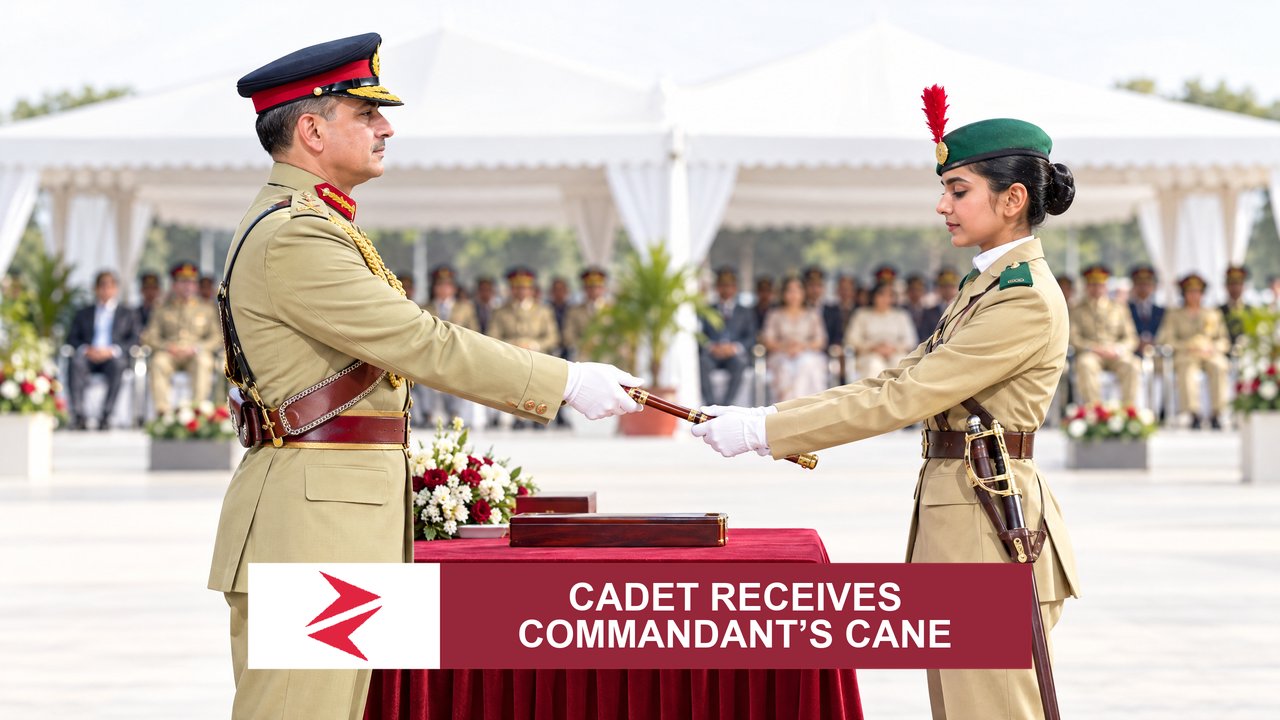
On the crisp morning of 17 October 2026 the Pakistan Military Academy in Kakul staged its annual passing‑out parade, a ritual that the nation watches with a mixture of pride and fatigue. In the midst of the marching ranks, Junior Under Officer Maryam Tariq of the 28th Lady Cadet Course was handed the Commandant’s Cane – a token traditionally reserved for the most distinguished graduates. The award was documented in a tweet by @LodhiMaleeha, which read, “At this morning’s passing out parade at the Pakistan Military Academy the commandant’s cane being awarded to Junior Under Officer Maryam Tariq from PMA’s 28th Lady Cadet Course. Impressive!” (Lodhi, X post). A second tweet from @Grippan65Momi congratulated her and added, “True leadership is earned through discipline, dedication, character and merit—not gender.” (Momin, X post). Both posts are time‑stamped on 17 Oct 2026, confirming the event’s date and the cadet’s course.
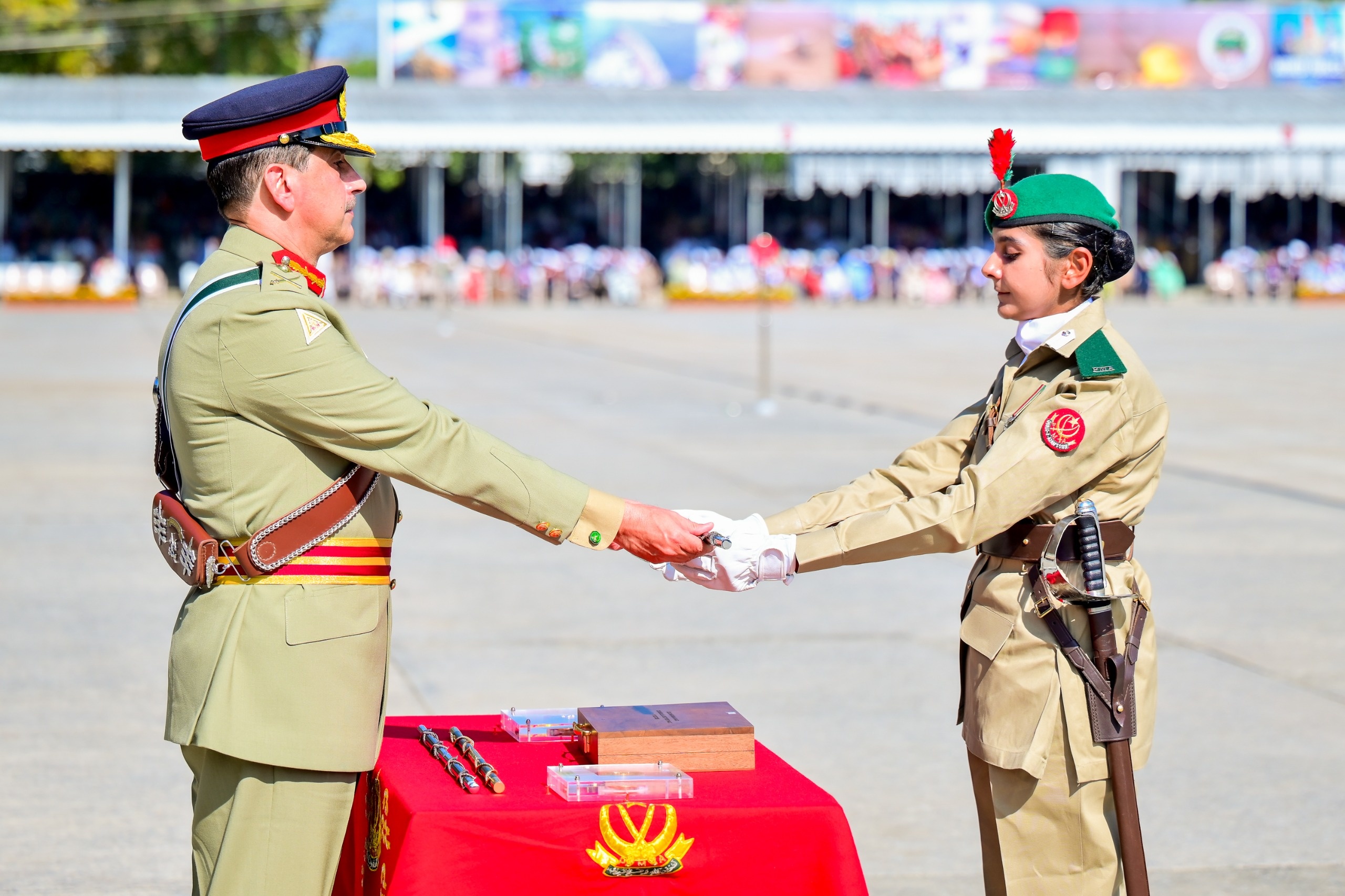
Why the Cane Matters
The Commandant’s Cane is more than a decorative baton; it signals that the bearer has earned the confidence of the academy’s highest authority. For a woman to receive it in an institution that has historically been male‑dominated is a visible break from the past, a point that the military’s own communications have highlighted as progress. Yet the ceremony’s flash cannot mask the stark reality that the same day the nation’s power grid faltered, inflation hovered above 30 %, and hospitals struggled for basic supplies. The contrast is stark: a polished parade on a televised stage versus the daily grind of 220 million citizens.
Incentives Behind the Spotlight
The armed forces’ budget has swelled year after year, driven by an institutional incentive structure that rewards visible triumphs – be they territorial gains, media‑friendly events, or procurement contracts. A public celebration of a female cadet’s achievement fits neatly into that formula: it projects an image of modernity and inclusivity, while diverting attention from the fiscal pressures that force families to choose between electricity and education. As I argued in COAS Asim Munir’s ‘Hit Them Hard’ Pledge, the army’s rhetoric often eclipses the cost borne by ordinary Pakistanis.