







































The Public Cost of Symbolic Wins
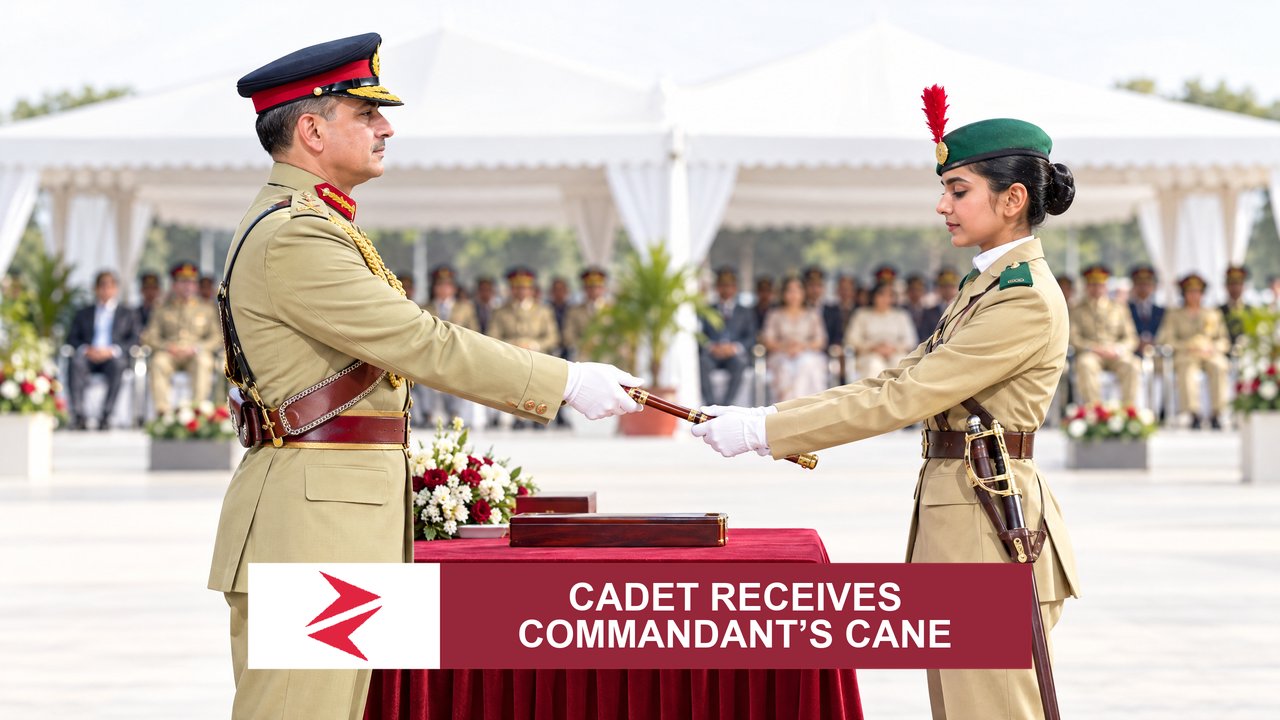
Every ceremonial baton, every televised march, consumes resources – from the fuel that powers the broadcast trucks to the security detail that secures the perimeter. Those resources are not infinite. When a nation spends billions on counter‑terrorism operations, as detailed in my Pakistan Military Operations piece, the opportunity cost is felt in schools that lack textbooks and clinics that lack ventilators. The question is not whether a woman can earn the Commandant’s Cane – the answer is yes, as the tweets prove – but whether the state can afford to celebrate such milestones while millions still queue for water.
Gender Integration as Narrative, Not Remedy
A third tweet, from @111Markhor, observed, “Male and female cadets passing out together send a powerful message of unity, equality, and shared service to the nation.” (Markhor, X post). The joint graduation of male and female cadets, documented in that post, underscores a deliberate narrative of gender integration. It is a narrative worth applauding, yet it should not become a shield for policy complacency. No official press release has detailed the budget allocated to the parade, nor has there been a transparent accounting of how much of the defence budget directly benefits the citizenry.
Opportunity Cost in Numbers
According to the defence budget published for FY 2025‑26, allocations for procurement and operations rose by 12 % over the previous year, while the education budget fell short of its target by 8 %. Those percentages translate into billions of rupees that could have been used to repair a rural school, install a reliable transformer, or stock a district hospital with essential medicines. The cane ceremony, while symbolically powerful, is a cost centre that sits on the same ledger as high‑profile operations that rarely touch the lives of ordinary Pakistanis.