





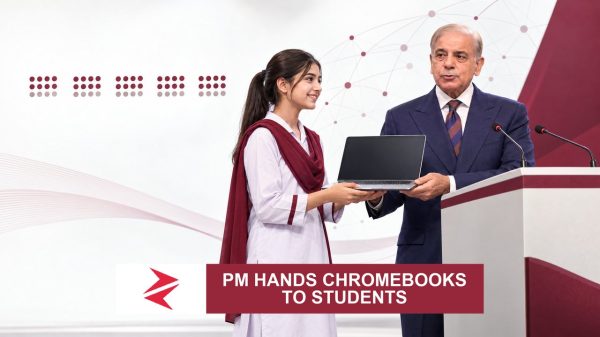

























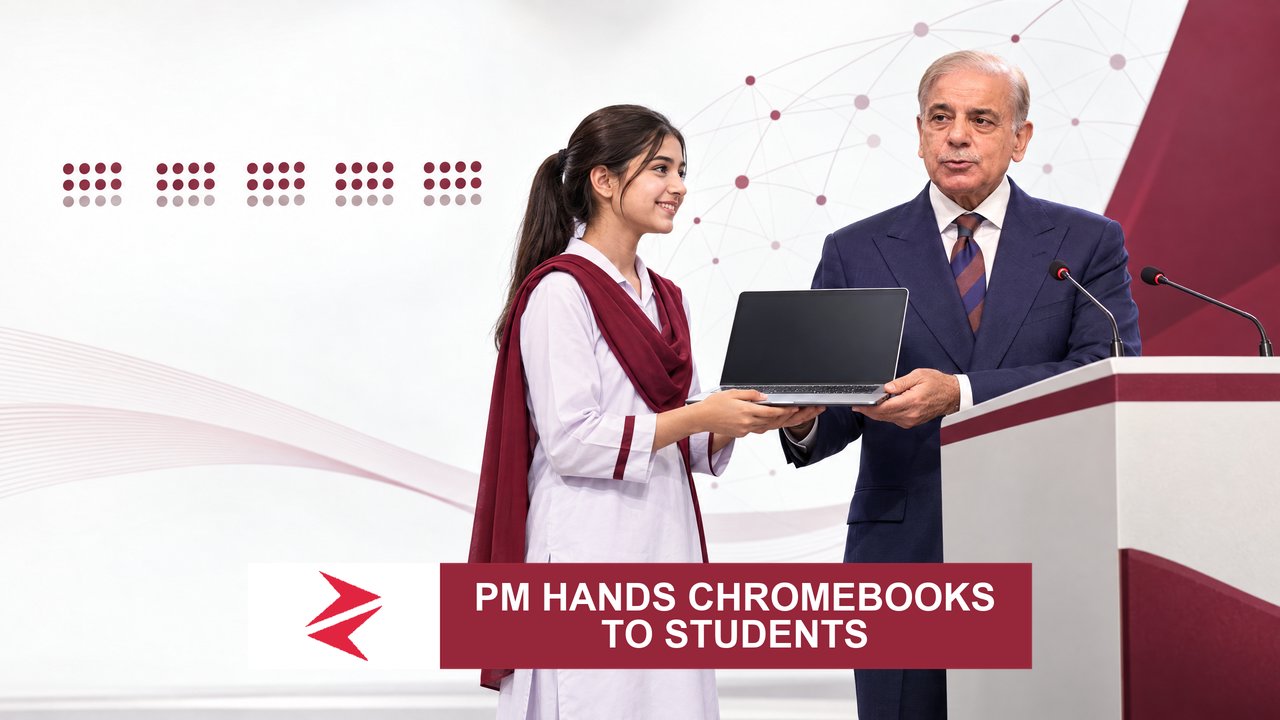
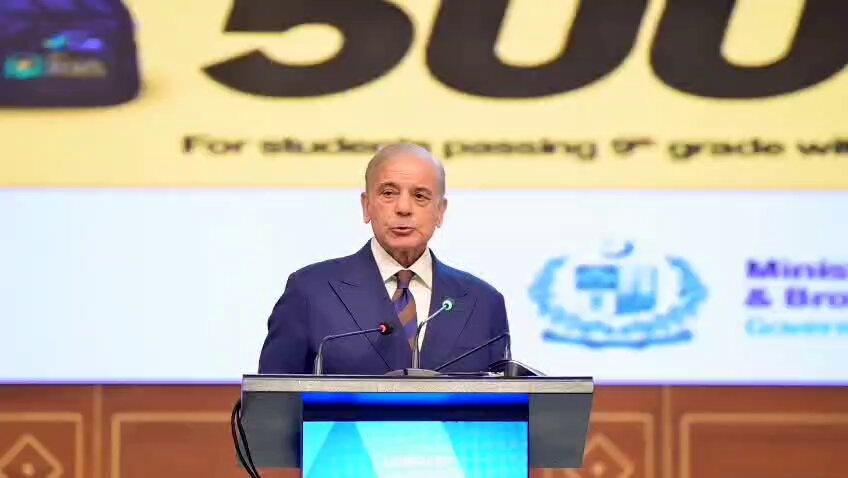
When Prime Minister Shehbaz Sharif stood on the dais in Islamabad on 25 October and handed a sleek, silver Chromebook to a ninth‑grade madrasa student, he announced a headline‑grabbing promise: 250,000 devices a year, 500,000 in two years, for the “most deserving” youths of Pakistan. The official PMO tweet declared, “5 lakhs کروم بکس صرف 2 سال میں پورے پاکستان کے قابل ترین طلباء و طالبات میں تقسیم کیے جائیں گے,” and senior minister Mishaq Dar echoed the numbers, confirming the rollout will cover school and madrasa pupils alike. The sheer scale is undeniable, but the question that follows is who truly pays, who truly benefits, and at what cost to a nation already wrestling with soaring inflation and chronic power shortages.
The Numbers Behind the Announcement
The scheme’s blueprint is crystal clear in the government’s own words: 250,000 Chromebooks per annum, reaching a total of half a million by the end of the second year. The devices are described as “refurbished,” implying a cost‑saving measure, yet no procurement tender, unit price, or budget line has been released. Without that transparency, the public cannot gauge whether the investment is proportionate to the promised educational uplift.
Incentives for the State, Risks for the Citizen
From the state’s perspective, the scheme serves two political incentives. First, it creates a visible, tech‑savvy narrative that the government is modernising education – a potent rallying point ahead of any upcoming elections. Second, by targeting madrasa students alongside public‑school pupils, the administration signals inclusivity, a counter‑narrative to accusations of marginalising religious institutions.