



































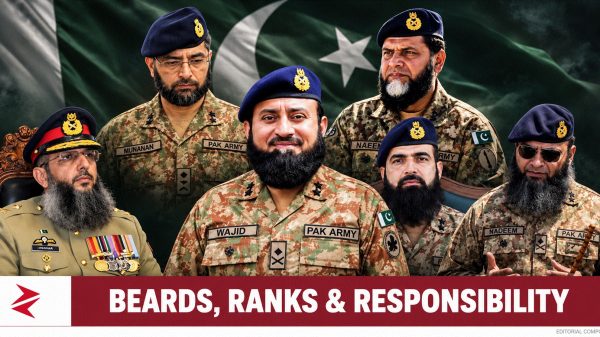





Pakistan has heard the promise before: give extraordinary power to the people who say they can repair a broken system, and accountability will follow. It seldom follows on its own. In 2026, as military command, investment policy and civilian administration are discussed together, the question is more urgent than whether the state is being redesigned. Who authorises the redesign, who can examine its decisions, and who bears the cost when it fails?
Columnist Farrukh Saleem’s “reformist army” argument captures a real change in ambition. The military’s place in economic coordination is visible in the Special Investment Facilitation Council’s published structure, which lists the army chief on its apex committee by special invitation. Saleem argues that the project reaches beyond influencing governments toward changing how institutions work. That is an interpretation worth testing against outcomes; calling a change reform cannot establish that it improves governance. Board Of Investment
The constitutional test begins with authority. Pakistan’s National Assembly provides the Constitution as amended through November 2025. Military command arrangements may change within that framework, but operational coordination does not, by itself, confer a public mandate to set every national priority. My earlier examination of the Defence Forces Bill and the proposed Chief of Defence Forces powers asks where unified military command ends and political direction remains. That distinction matters to a family demanding safe roads in Kohat as much as to an investor seeking a predictable decision in Islamabad. na.gov.pk
A security failure is evidence of danger. It is not evidence of a politician’s guilt.
The argument now circulating about Khyber Pakhtunkhwa claims that militant activity in or near a chief minister’s home constituency reveals a quiet support network within PTI. The screenshots supplied with that argument make the weakness plain: apply the same test to Balochistan, and attacks in Chief Minister Sarfraz Bugti’s province or home district would supposedly establish his complicity. Neither conclusion follows. Geography can identify where citizens need protection and where an administration must answer difficult questions. It cannot identify a facilitator without evidence of conduct, communications, financing or deliberate protection.












