





































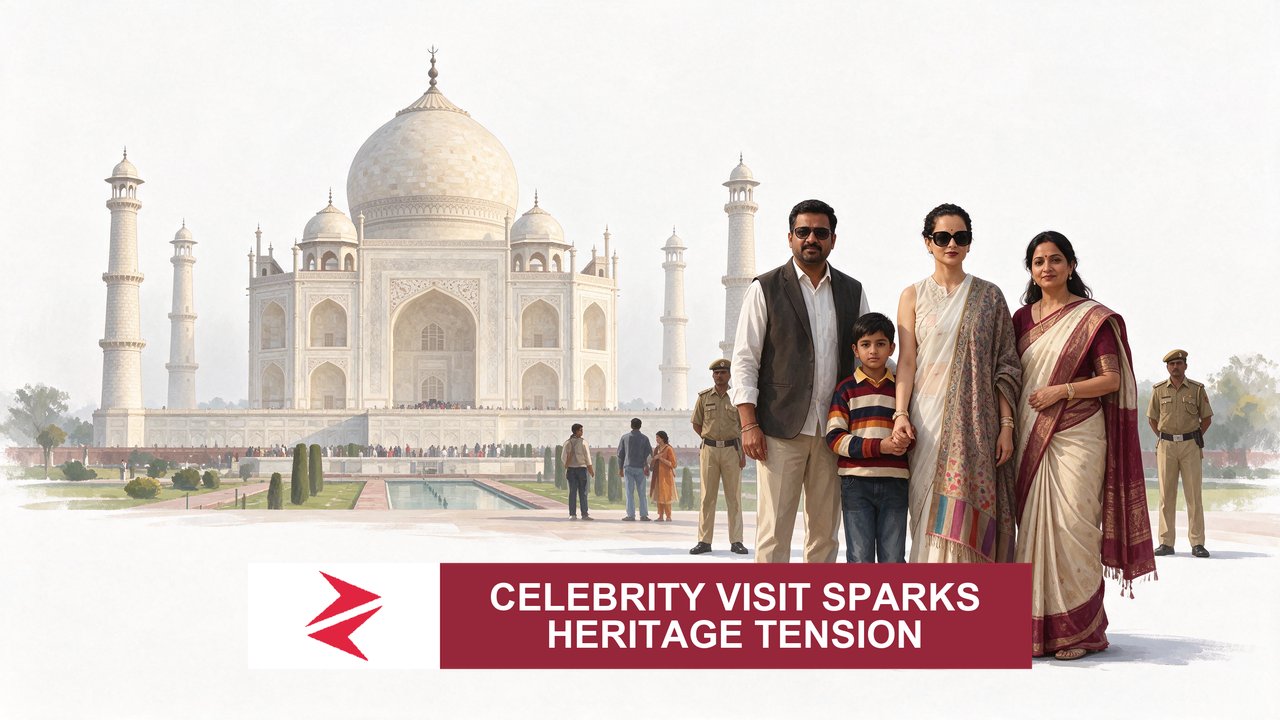
When Kangana Ranaut posted, “Today, I enjoyed the art and beauty of the world‑famous Taj Mahal with my family,” the picture she sent was simple: a family selfie in front of a UNESCO World Heritage site. The fact of her visit is undisputed – the post itself is the evidence. Yet the reaction was anything but simple. Within minutes, the Taj turned from a marble marvel into a battlefield for communal rhetoric, exposing how ordinary heritage is weaponised for identity politics.
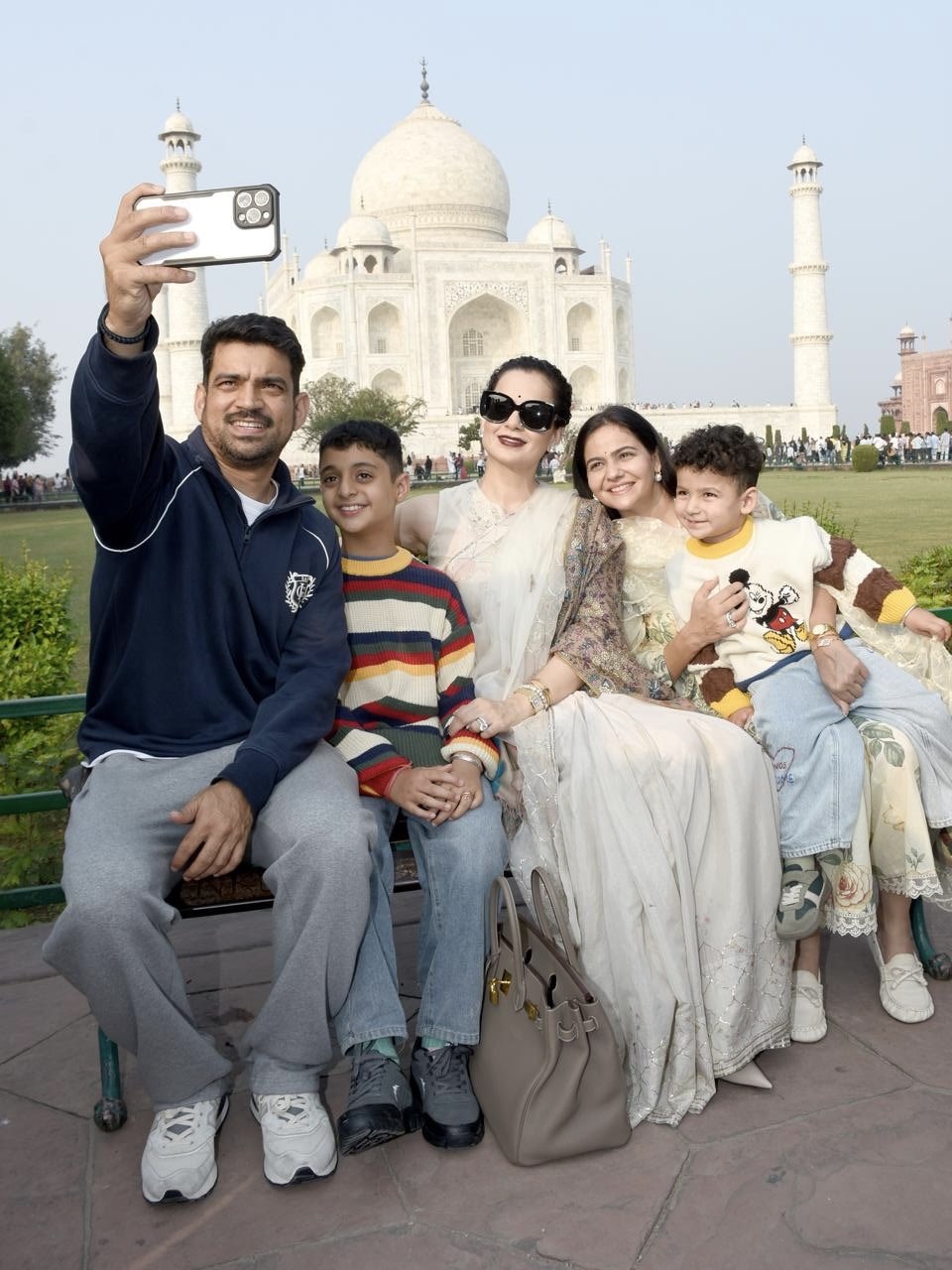
One commentator wrote, “Sanatani Kangana chose to take her family to a monument built by a Mughal emperor,” (post: The emphasis on the Mughal origin of the Taj was not a historical footnote; it was a dagger aimed at the actress’s Hindu nationalist credentials. Another user asked, “Why did you go to the Taj Mahal, sir? The Mughals built it. Don’t you care about Sanatan culture?” (post: Both remarks hinge on a single, verified fact – the Taj was commissioned by Shah Jahan – but they twist it into a moral indictment, implying that any appreciation of Mughal architecture betrays a Hindu identity.
The irony was not lost on the wider public. A user sarcastically thanked “Mughal emperor Shah Jahan” for the beauty they were enjoying (post: The tone was unmistakably mocking: the actress’s own past criticisms of Mughal rule were being turned against her, as if a single photograph could rewrite a political record.
Beyond the snark, there is a concrete cost to this spectacle. The Taj Mahal draws over seven million visitors a year, generating roughly $1 billion in tourism revenue for the Indian economy. When a high‑profile celebrity visits, the media frenzy can boost ticket sales, but the same coverage also fuels communal tension that can deter families who fear being caught in a political crossfire. A user from Agra lamented, “It’s a graveyard, you’ll catch a chill,” (post: reflecting a deeper anxiety that heritage sites are no longer neutral spaces for leisure.