





































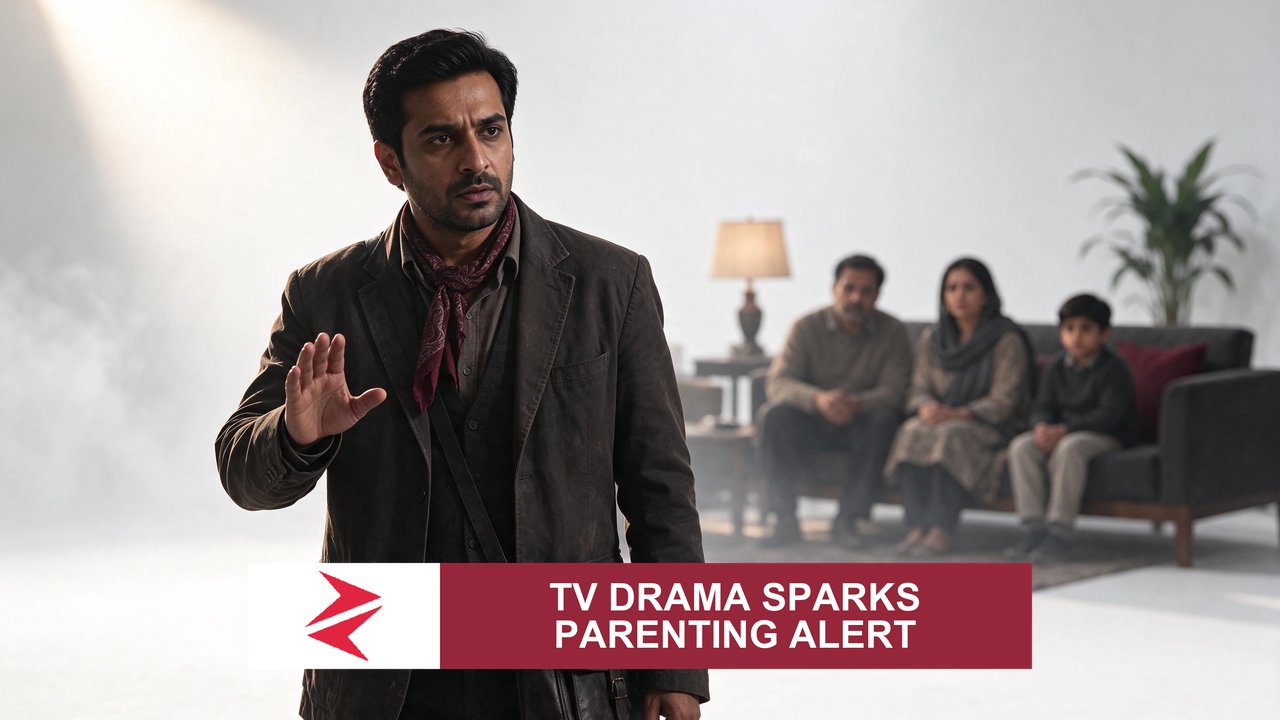
When a prime‑time drama casts its lead as a predator, the audience’s gasp should be followed by a question: who will protect the children watching? In Dar‑e‑Nijaat, Sheheryar Munawar’s own words cut through the fiction. He told TheCurrent.pk, “predators like his character operate amongst us and parents must protect their children from ‘such animals.’” The actor’s warning is not a plot twist—it is a public‑interest alert that collides with a series that, for many, feels more like entertainment than education.
When a Story Becomes a Warning
Munawar’s statement, reproduced verbatim in the article Sheheryar Munawar says parents must protect children, is a rare moment where a star steps out of character to address a societal risk. He does not claim that Aman Gujjar is a real criminal; he frames the role as a metaphor for “predators” who hide behind ordinary guises. This distinction matters because the drama’s viewership—households across Punjab, Sindh, and Khyber Pakhtunkhwa—includes impressionable youths who may internalise the character’s behavior as normative if no counter‑message is given.
Public Reaction: Unease and Praise
Social media mirrors the split. A post by SocialDiaryMagz notes that viewers feel “uneasy” after episode 32, echoing Munawar’s own concern. Another X user, Samina Maqdum, praises the drama as “excellent … great lessons,” highlighting a different segment that sees the series as a moral compass, especially when it contrasts a “good practising Muslim” with those who weaponise religion for insecurity. Both sentiments coexist, but they do not cancel each other out; they illustrate a nation grappling with how media shapes ethical standards.