













































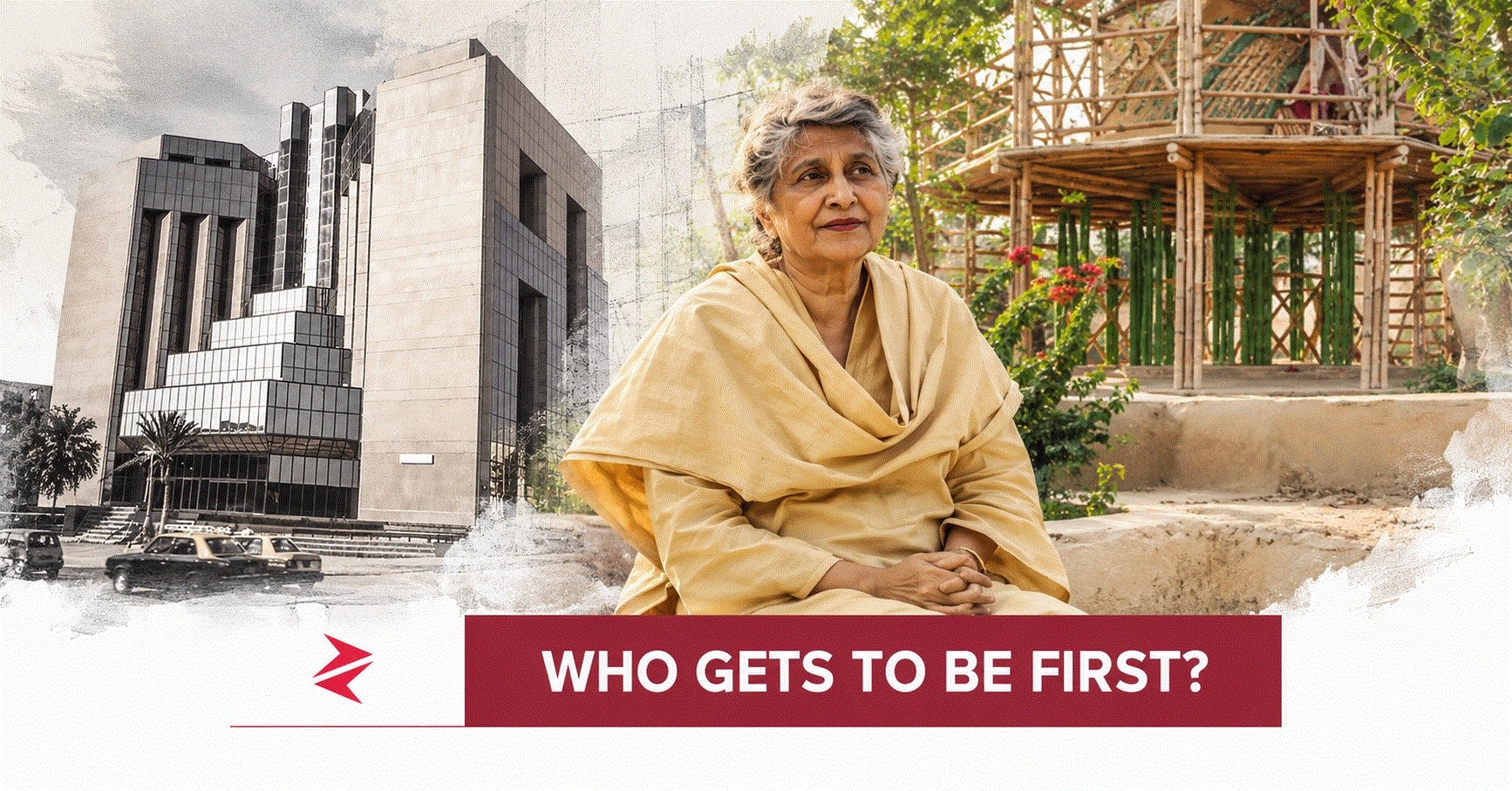
A tribute can go viral with one sentence. It can also erase decades of work with that same sentence.
When a post credited Sana Bucha with producing Pakistan’s first English-language news bulletin, a reader raised a question that deserved more than a defensive reply: what about the women who built Pakistani journalism before private television existed? The correction does not diminish Bucha. It places her achievement where it belongs—and makes room for Shahida Kazi, whose reporting career began at Dawn in 1966 and continued in Pakistan Television’s newsroom. arabnews.pk
The distinction is straightforward. Bucha has been associated with Geo News’s first English-language bulletin; that is a channel-specific achievement, not a claim to have introduced English television news to Pakistan. Accounts of her career also describe her work on News Day, Crisis Cell and Lekin. In 2012, reporting on her move to Dunya News recorded an earlier departure from Geo over Aamir Liaquat’s return, followed by her return to the channel and a subsequent resignation. Compressing that sequence into a single dramatic walkout makes for a sharper post, but a less accurate history. tribune.com.pk
Kazi’s record is firmer and earlier. In an interview with Arab News, she recalled receiving her reporting job at Dawn in 1966, covering major events, and later moving to PTV, where she became a news editor. The interview identifies her as Pakistan’s first woman correspondent. Her own account also complicates a familiar script imposed on every pioneering woman: she said her work earned her promotions and that she did not regard herself as having faced a “glass ceiling” in that career. Her experience should be heard in her own terms. arabnews.pk
A similar dispute appeared beneath a tribute to Yasmeen Lari. A reader asked to see the Karachi buildings attributed to her; another challenged a claim that construction workers had refused to take orders from her. These are fair demands of a historical post. Photographs of a building and drawings bearing its name help identify the project, while Lari’s own Heritage Foundation names the Finance and Trade Centre and PSO House among her landmark works. A screenshot repeating an anecdote about resistance on site, however, cannot establish precisely what happened on a particular construction site. That claim needs a traceable firsthand account before it is presented as a scene of fact. heritagefoundationpak.org
| Pioneer | Documented contribution | Boundary that matters |
|---|---|---|
| Shahida Kazi | Joined Dawn as a reporter in 1966; later worked at PTV and became a news editor. | Her earlier career must appear in any account of Pakistan’s women news pioneers. |
| Sana Bucha | Produced and presented English-language programming associated with Geo News and hosted major current-affairs shows. | “Geo’s first English bulletin” cannot be expanded into “Pakistan’s first English bulletin.” |
| Yasmeen Lari | Pakistan’s first woman architect; designed major Karachi buildings and later developed community-led, low-carbon approaches to shelter. | Project credits and awards are verifiable; vivid workplace anecdotes require their own evidence. |
The entries describe different kinds of work. “First” is meaningful only when the institution, role and date are specified. arabnews.pk
Yasmeen Lari’s second career changed the measure of a building
Lari’s story needs no invented confrontation to carry force. Pakistan’s first woman architect established a practice that produced prominent commercial buildings, including Karachi’s Finance and Trade Centre and Pakistan State Oil House. After moving away from that practice, she applied architectural skill to disaster response and to structures that people could help build using locally available materials. RIBA named her its 2023 Royal Gold Medallist. heritagefoundationpak.org













