








































Connect with Zorays

Hi, what are you looking for?

Opinions

The Epstein–Bitcoin Proximity: What the Emails Reveal—and Why It Matters

Newly revealed emails show Jeffrey Epstein’s proximity to Bitcoin’s early funding ecosystem via MIT’s Media Lab and Digital Currency Initiative. No proof of control—but troubling access to developers, regulators, and elite crypto circles during Bitcoin’s most fragile years.

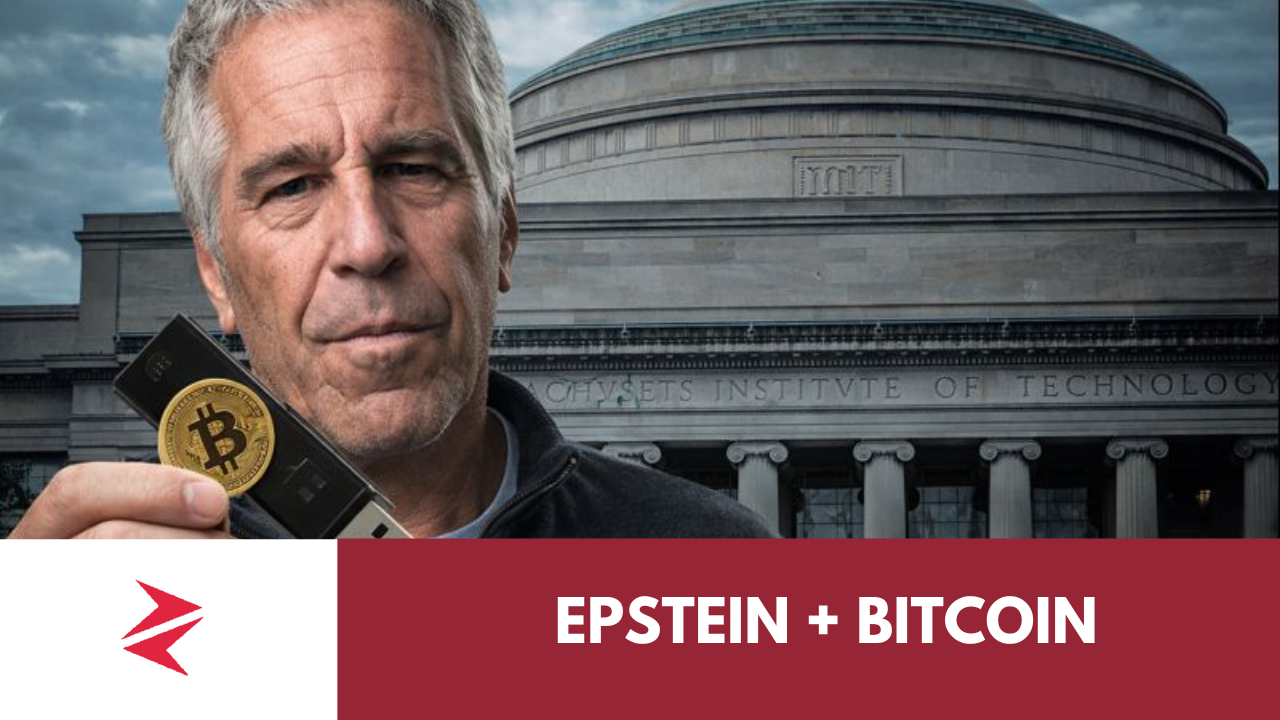
Epstein with Bitcoin wallet at MIT

Bitcoin was born out of distrust—of banks, of governments, of centralized power.

That’s the myth.

The reality, as newly surfaced emails and documents show, is messier. Not corrupt by proof. But uncomfortably close.

Jeffrey Epstein—the financier, convicted sex offender, and master of elite access—was not some distant observer of crypto’s rise. He was adjacent to its funding pipelines, its academic incubators, and the people shaping its early governance during moments of crisis.

This does not mean Epstein controlled Bitcoin.

But it does mean he was closer to its early ecosystem than anyone publicly acknowledged.

And that alone deserves scrutiny.


MIT: The Quiet Gateway

Between 2002 and 2017, Jeffrey Epstein donated approximately $850,000 to MIT. These weren’t casual alumni checks. These were strategic, relationship-building contributions, routed through the MIT Media Lab—an institution that later became central to Bitcoin’s academic legitimacy.

Within that same ecosystem sat the MIT Digital Currency Initiative (DCI).

Timing matters.

Advertisement. Scroll to continue reading.

In 2015, Bitcoin’s governance faced a funding crisis. The Bitcoin Foundation, which had been paying core developers, effectively collapsed. Developers who maintained the code securing billions in value were suddenly exposed.

That vacuum was filled—quietly—by MIT DCI.

And MIT DCI was funded, in part, by Epstein-linked donations.


Bitcoin Core Developers and the Funding Gap

At the time, the Bitcoin project was governed by a small group of maintainers—often described as the “Linux kernel model” of crypto.

READ:   Regulate, Don’t Evade: The Bilal Bin Saqib Paradox

Five core developers.
Roughly a hundred contributors.
No formal hierarchy—but real influence.

When the Bitcoin Foundation ran out of money, MIT DCI stepped in and began paying key figures, including:


Pages: 1 2 3 4 5 6

Click to comment

Leave a Reply

Your email address will not be published. Required fields are marked *

You May Also Like

World Affairs

Pakistan, Saudi Arabia and Türkiye’s Makkah defence pact creates collective deterrence—but its Article 51 limits and obligations demand scrutiny.

World Affairs

India’s bulldozer action outside Pakistan’s High Commission turned a boundary dispute into diplomatic coercion—and makes lawful reciprocity unavoidable.

Society & Culture

I dislike Tabish Hashmi’s comedy, but evidence still does not prove Geo removed him over Kashmir. Here is what the public record actually shows...

Politics & Governance

Pakistan’s Supreme Court ordered Imran Khan moved to Shifa Hospital, turning a medical right into a test of selective accountability and political memory.

World Affairs

Sergio Gor called Kashmir part of India. Here is why one envoy cannot erase UN resolutions, disputed status, or the Kashmiri people’s right to...

World Affairs

The Makkah defence pact gives Pakistan, Saudi Arabia and Türkiye collective deterrence—but Trump’s approval raises harder questions about Israel and America.

Technology & AI

Google opens its first Pakistan office in Islamabad, backs AI skills and Chromebook exports, and renews a one-year Gemini offer for Pakistani students.

Advertisement