








































Islamabad did not welcome 2026 with fireworks.
It welcomed it with shattered glass, flying stones, and a national argument over who gets blamed—and who gets protected.
On December 31, 2025, Park View City Islamabad hosted a heavily promoted New Year’s Eve celebration, marketed as a family-only, premium event. Tickets were priced at Rs. 2,000–2,500 per head, and advertisements promised live performances by Sahir Ali Bagga and Falak Shabbir, along with a fireworks display.
What followed was not celebration. It was collapse.
What Actually Happened on the Ground
By early evening, Park View City was overwhelmed. Eyewitness accounts and timestamped videos show tens of thousands arriving, with estimates hovering around 30,000 vehicles—far beyond the venue’s capacity.
As strict ticket checks were enforced and entry was restricted, frustration escalated rapidly. Within minutes, the situation turned violent.
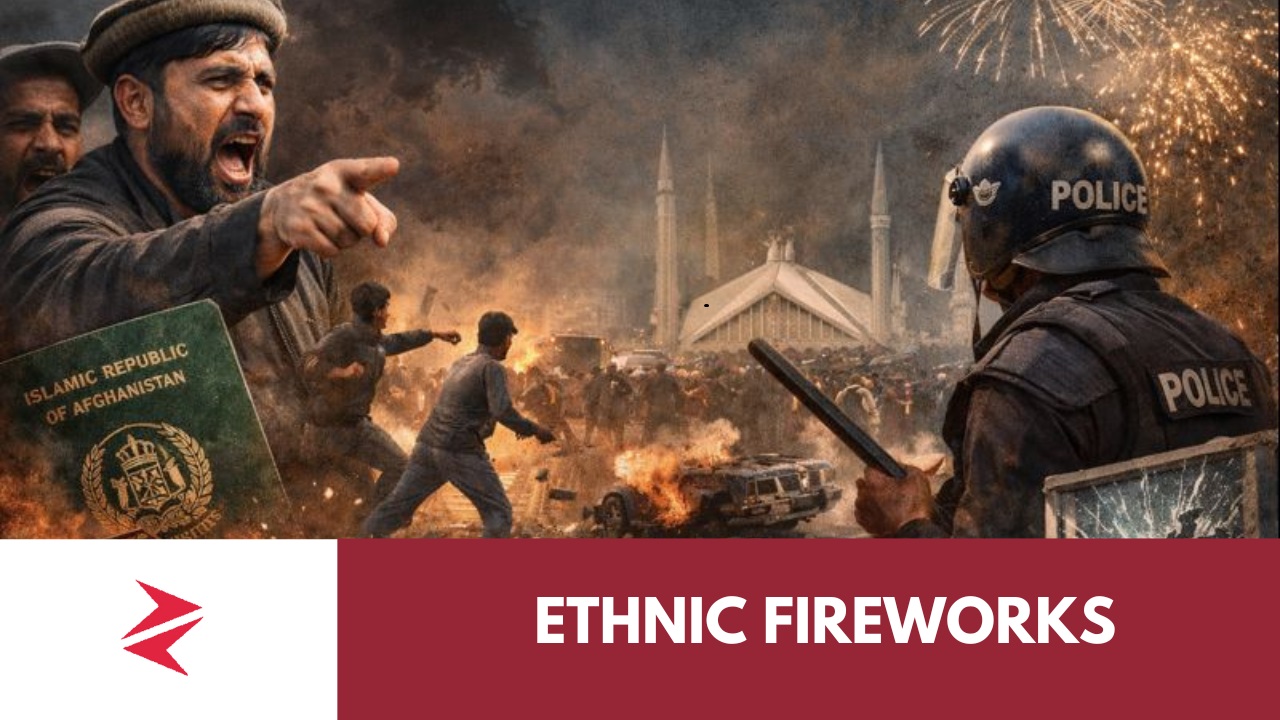
Groups of young men began pelting stones at security guards, smashing glass panels, uprooting railings, and toppling lamp posts. Multiple videos show public property being damaged in real time while private security struggled to contain the crowd.
More alarming were verified reports of women being harassed, including a female reporter present at the site. Families attempting to leave were trapped in gridlock, with panic spreading as security was visibly overwhelmed.
By midnight:
-
No fireworks were launched
-
No performances took place
-
Crowd control had failed completely
This was not miscommunication.
It was an operational breakdown.
Islamabad vs. Lahore: The Comparison That Won’t Go Away
On the same night, over 50,000 people gathered at Liberty Chowk in Lahore.

The outcome?
-
Zero vandalism
-
Zero stone-throwing
-
Zero attacks on staff or journalists
-
No destruction of public or private property
Same country.
Same night.
Larger crowd.
The comparison shattered the claim circulating online that the Islamabad violence was a “normal reaction” to disappointment.
Frustration explains anger.
It does not explain criminal violence.
The Video That Reignited the Debate
As footage spread, one video dominated the discourse: Afghan influencer Abdulhaq Hamidi, filmed near the site, angrily condemning the vandalism—while explicitly alleging the involvement of Afghan nationals.
His words were direct.
So was the backlash.
Almost instantly, a counter-narrative flooded X (formerly Twitter):













