























Connect with Zorays

Hi, what are you looking for?

Opinions

Pakistan Exporters Relieved Wheeling Charges and Export Refinance Rates — What Changed, What Didn’t, and Why It Matters

Pakistan cuts wheeling charges by Rs 4.04/unit and lowers export refinance rates to 4.5%. What changed, what didn’t, and why it matters.

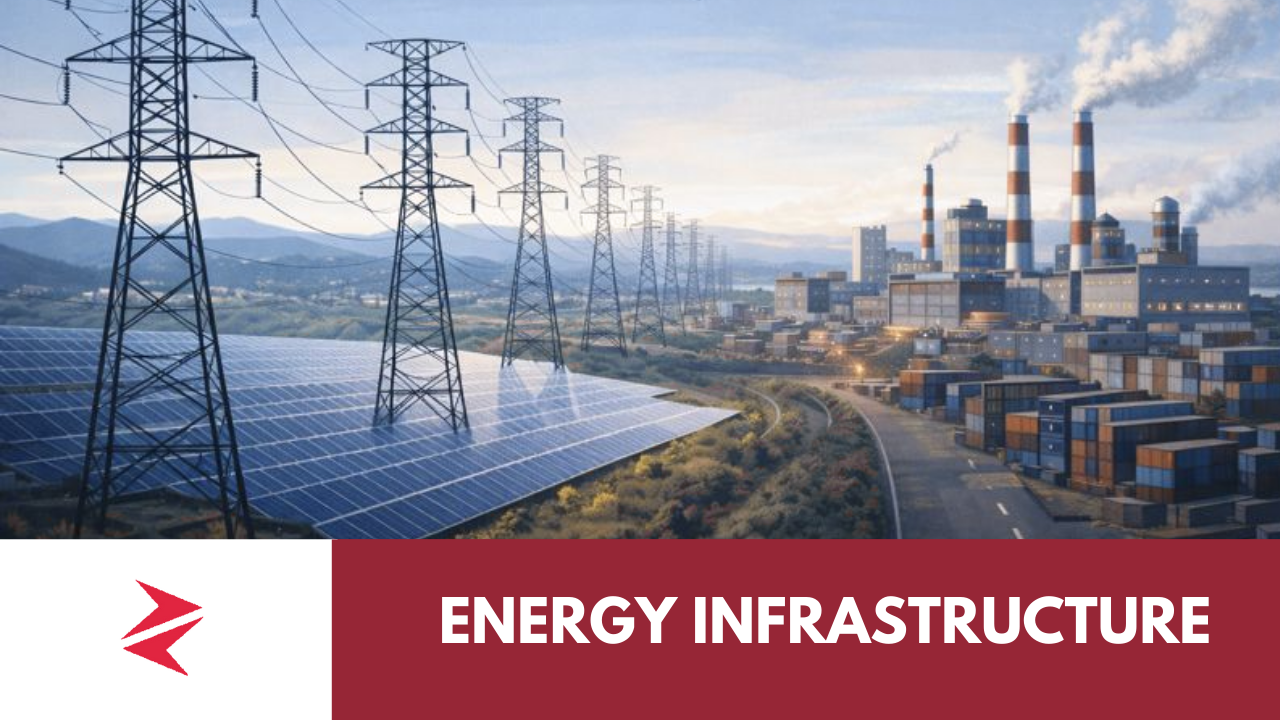
Pakistan’s industrial power transmission network and export cargo illustrating reduced wheeling charges and policy measures to support exporters
Facebook Twitter/X LinkedIn Reddit WhatsApp

Pakistan’s latest industrial relief announcement triggered instant applause, instant confusion, and predictable political noise. The reality sits in between. The government has not announced a blanket electricity tariff cut for all industries, but it has delivered targeted structural relief by reducing wheeling charges through the removal of cross-subsidies and by lowering export refinance rates to support external competitiveness.

Speaking on the measures, Shehbaz Sharif outlined a package aimed at easing cost pressures on exporters and energy-intensive sectors at a time when shipments, margins, and capacity utilization remain under strain.


The core clarification: this is wheeling relief, not a universal tariff cut

The most debated figure—Rs 4.04 per unit—does not represent a flat reduction in the base electricity tariff across the board. Instead, it reflects the removal of a cross-subsidy component embedded in wheeling charges, which had previously inflated the cost of electricity for certain industrial users.

As a result:

  • Wheeling charges fall by approximately Rs 4.04/kWh

  • Effective wheeling cost moves to around Rs 8.5–9 per unit, down from roughly Rs 12.5

  • The base tariff structure otherwise remains unchanged, pending formal notifications

This distinction matters. Calling it a “tariff cut” overstates the scope. Calling it “nothing” understates the impact. The correct framing is structural cost correction via wheeling reform.


Facebook Twitter/X LinkedIn Reddit WhatsApp

Pages: 1 2 3 4 5

Click to comment

Leave a Reply

Your email address will not be published. Required fields are marked *

You May Also Like

World Affairs

Pakistan and India trade blame after a naval collision near Oman as recycled footage, disputed damage claims and treaty questions flood social media.

Technology & AI

Pakistan’s D-248, S-369, Nimbus2K and HiMark-25 challenge India’s drone ambitions—but displayed models and flight tests demand different conclusions.

Economy & Markets

Why the “Straits Taylor Rule” went viral, what it gets right about oil shocks, and why Pakistan cannot interest-rate-hike energy insecurity.

Society & Culture

S. Zaheeruddin Ahmed leads Arey Wah!, an upcoming Pakistani web series produced by Marriam Mustafa, bringing agency chaos to the screen.

Energy & Environment

A proposed US diesel export ban exposes Britain’s reliance on imported fuel. Here is what the refinery data show and why Pakistan should pay...

Economy & Markets

The PC Hotels battle exposes disputed shares, opaque settlement claims and the corporate-governance risks confronting investors in Pakistan today.

World Affairs

Flydubai’s reported Tabuk landing raises questions about emergency codes, conflicting fight claims, Pakistan’s Saudi ties and Israeli military airspace access.

Advertisement