








































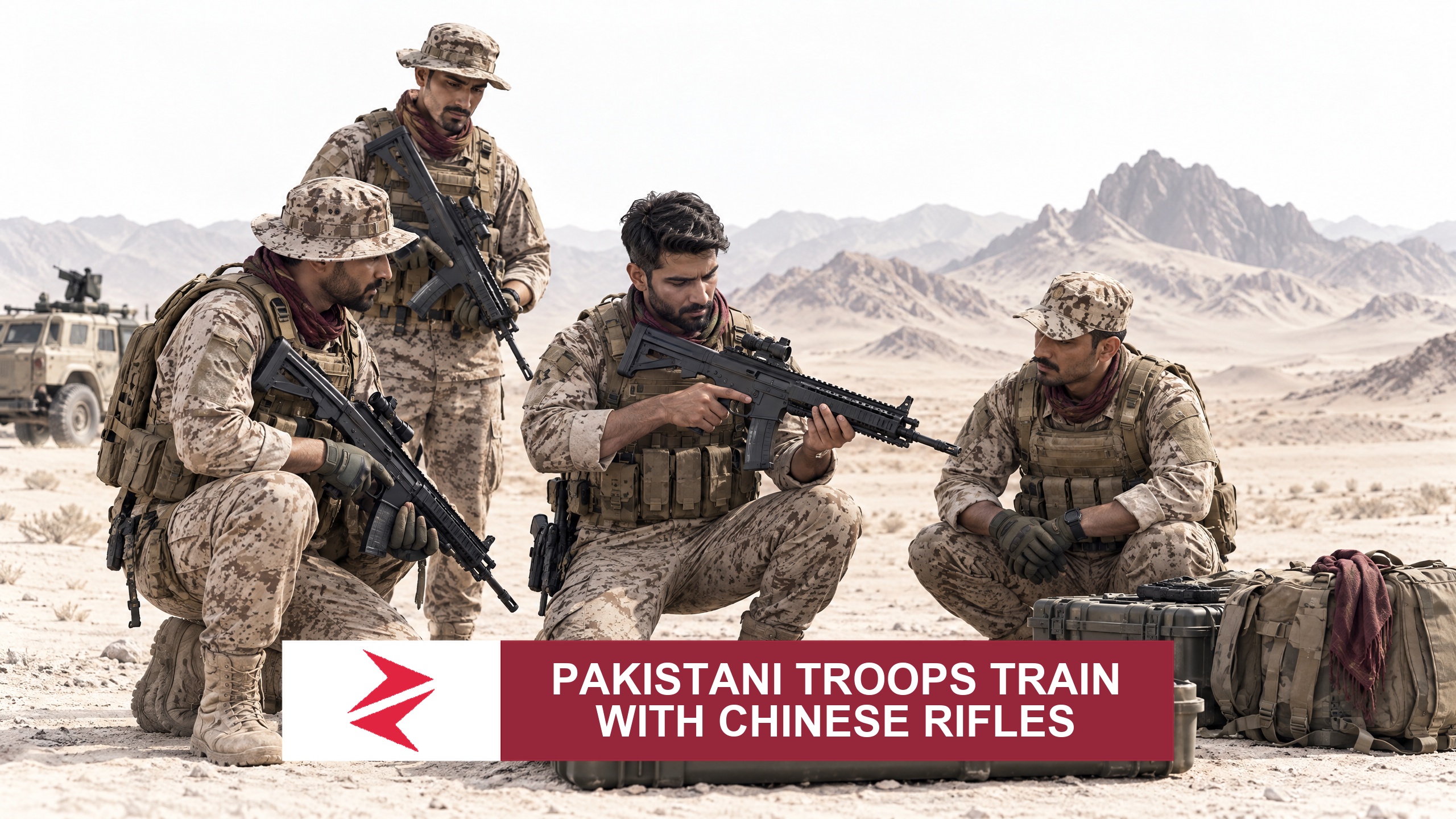
Institutionally, this reflects a failure of parliamentary oversight. The defence procurement process is opaque; the Ministry of Defence does not routinely publish detailed contracts for foreign arms purchases, especially when they are tied to joint exercises. The result is a vacuum where myths flourish, and the public is left to wonder whether the exercise was a genuine strategic move or a staged display to appease Beijing and placate domestic power brokers.
Public Cost, Opportunity Loss, and Accountability
Every rupee spent on imported rifles, sniper scopes, and the logistics of moving troops to Xinjiang is a rupee not spent on schools, hospitals, or the development of a domestic defence industry that could employ thousands of engineers and technicians. The opportunity cost is massive. Pakistan has the human capital to develop its own small‑arms industry, yet it continues to rely on foreign suppliers. The Karakoram 2026 drill, with its glossy images and diplomatic fanfare, diverts attention from these systemic shortcomings.
Moreover, the exercise’s limited transparency makes it impossible for civil society to evaluate its effectiveness. Without independent verification of the claimed “counter‑terrorism” outcomes, the public cannot hold the military or the foreign ministry accountable. This is not a call for a blanket boycott of cooperation with China – strategic partnerships have their place – but a demand for evidence‑based justification and fiscal responsibility.
Conclusion: Who Should Answer for Karakoram 2026?
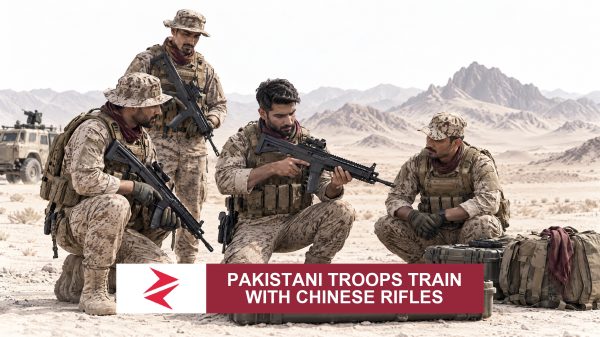
The Karakoram 2026 story is a textbook case of how official narratives can outpace verifiable facts. The only solid evidence we have are the rifle‑training videos; everything else – the “first‑time” claim, the all‑Chinese gear, the exact date, the full suite of counter‑terrorism drills – remains uncorroborated. As ordinary Pakistanis watch the headlines, the real question should be: who will explain to the taxpayer why foreign weapons were procured for a short‑term drill that delivered no measurable security benefit, and how those funds could have been better spent? The answer, we hope, will come not from diplomatic press releases, but from a parliament that insists on transparency, from a military that aligns its training with genuine operational needs, and from a public that demands accountability for every rupee spent in the name of prestige.













