






























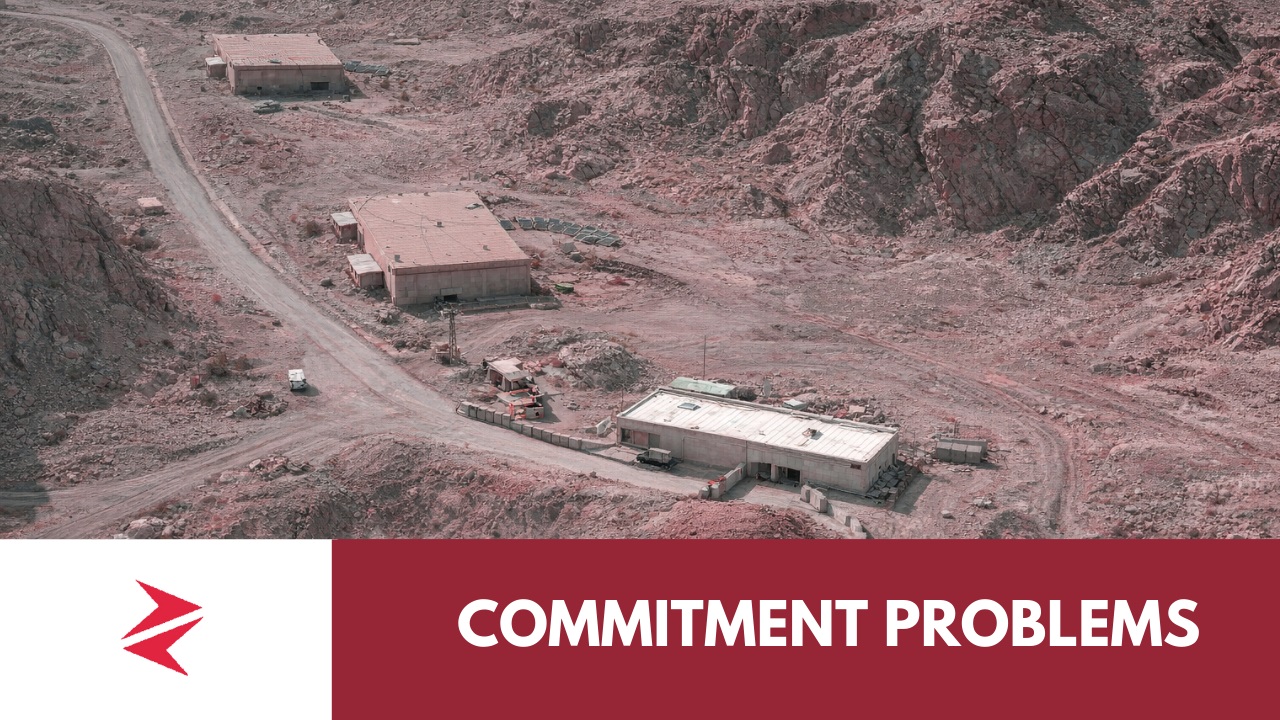
The debate surrounding Iran’s nuclear program has never been merely about centrifuges, enrichment percentages, or underground tunnels near Isfahan. It has always been about credibility, leverage, deterrence, and power projection. As tensions rise amid reports of unprecedented American military deployments in the region and Saudi Arabia’s formal condemnation of expansionist rhetoric from Washington, the nuclear question is no longer technical — it is strategic and civilizational.
The United States, alongside the P5+1 framework, has historically framed negotiations as a binary choice: compliance or confrontation. Yet the deeper problem has always been the credibility gap. Tehran does not negotiate in a vacuum; it negotiates against the memory of sanctions snapbacks, abandoned deals, and shifting administrations. From the 2003 overture reportedly ignored during the Bush era to the withdrawal from the JCPOA under Trump, Iranian leadership calculates risk through the lens of American political volatility. For Washington, concessions are reversible. For Tehran, vulnerability is existential.
This asymmetry explains why the so-called “butter-for-bombs” logic — the idea that sufficient economic incentives can permanently halt weaponization — remains fragile without enforceable, long-term guarantees. Nuclear capability, once achieved even at threshold level, becomes a strategic insurance policy. States that feel encircled do not easily surrender insurance.
Simultaneously, the regional environment has transformed. Saudi Arabia’s recent statement condemning rhetoric suggesting Israeli dominance “from the Nile to the Euphrates” underscores how deeply territorial anxieties run across West Asia. Riyadh reaffirmed commitment to sovereignty, 1967 borders, and the two-state solution — signaling that Arab diplomacy is reasserting itself amid rising polarization. Whether this posture translates into policy coordination within the OIC or remains declaratory will shape 2025–2026 significantly.
Meanwhile, reports of large-scale US deployments — aircraft carriers, F-22s, F-35s, heavy transport aircraft, and expanded troop presence — illustrate a strategy of calibrated pressure. Whether this is deterrence theater or genuine pre-strike positioning remains debated. What is clear, however, is that visible force projection alters negotiation psychology. Military shadow diplomacy is diplomacy nonetheless.
BRICS, Multipolarity, and Iran’s Strategic Weight
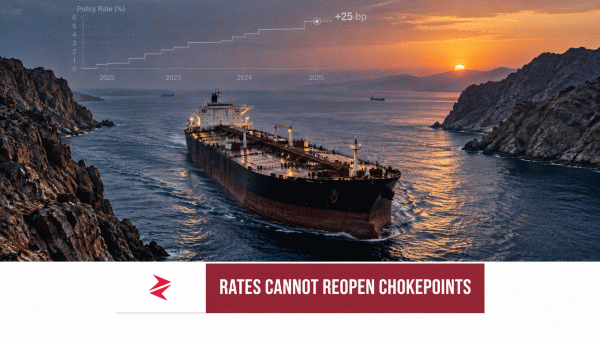
Iran’s accession into BRICS fundamentally shifts the equation. Unlike India, whose strategic autonomy oscillates between Washington and Moscow, Iran’s alignment is structurally oppositional to US pressure architecture. For Russia and China, Tehran functions not merely as a partner but as a geopolitical node controlling maritime chokepoints and energy leverage through the Strait of Hormuz.
If escalation occurs, Russia benefits from energy price spikes. China calculates supply chain vulnerability. The United States balances deterrence credibility against war fatigue. This triangular dynamic complicates any simplistic “strike or surrender” narrative. The Middle East is no longer a unipolar enforcement arena.