






























The world was sold a ceasefire. The ground reality tells a different story.
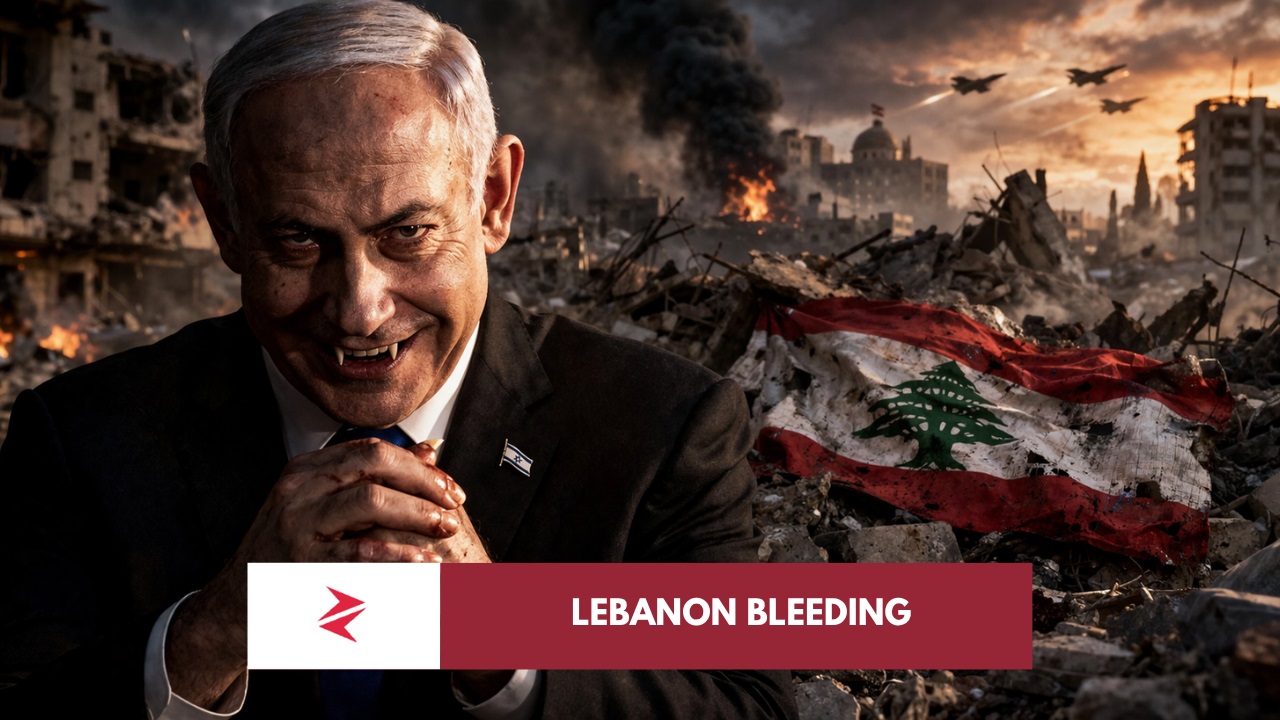
Within hours of what was publicly framed as a diplomatic breakthrough—brokered with visible Pakistani involvement—Lebanon was turned into a live battlefield once again. Beirut, a city that has endured decades of conflict, woke up not to peace, but to waves of coordinated strikes that ripped through civilian neighborhoods, infrastructure, and human life itself. Reports emerging from multiple on-ground accounts describe over 100 strikes within minutes, targeting not just strategic zones but densely populated urban areas—Salim Slem, Corniche al-Mazraa, Bashoura—names that are not military installations but living, breathing communities.
This is not a ceasefire. This is narrative warfare.
Pakistan’s Role: Diplomacy in a Broken System
Pakistan’s leadership—Prime Minister Shehbaz Sharif and Army Chief Asim Munir—stepped into a volatile geopolitical vacuum to broker a two-week pause between Iran and the United States, with Islamabad positioned as the next negotiation hub. The immediate macroeconomic impact was visible: oil prices dropped nearly 15%, shipping lanes stabilized, and regional powers cautiously welcomed the development.
But beneath this diplomatic success lies a harsh truth—Pakistan can broker dialogue, but it cannot enforce compliance in a system where power asymmetry defines outcomes.
What unfolded in Lebanon exposes that reality. The ceasefire, as interpreted by different actors, was never uniform. Israel openly signaled that Lebanon was not covered under the agreement. That single clause—or lack thereof—became the loophole through which devastation was unleashed.