
































The Illusion of Control: Who Really Calls the Shots?
There is a deeper layer here that many analyses conveniently ignore. The Middle East conflict architecture is no longer defined by clear state-versus-state engagements. It is a web of influence, proxies, strategic narratives, and controlled escalations.
The statement attributed to U.S. Defense Secretary Pete Hegseth—“we have capacity to bomb their infrastructure with impunity”—captures the underlying doctrine more clearly than any diplomatic communiqué. It is not about ceasefires. It is about controlled dominance.
And this is where the distinction becomes critical.
Blaming Israel alone simplifies a much more complex reality. The operational freedom, strategic backing, and geopolitical shielding that enable such actions do not exist in isolation. They are part of a broader power structure where decisions are layered, interests are intertwined, and accountability is selectively applied.
Narrative Collapse: Social Media vs Ground Reality
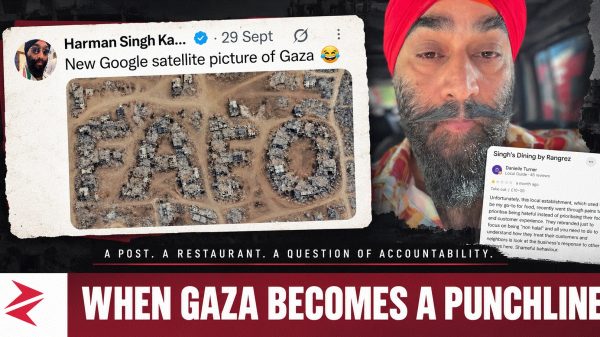
The raw stream of global reactions—from outrage to denial to propaganda—highlights another battlefield: perception.
Some voices scream “war crimes,” others dismiss reports as exaggeration, while a third layer attempts to redirect blame entirely. This fragmentation is not accidental. It is the result of a hyper-saturated information ecosystem where truth competes with narrative engineering.
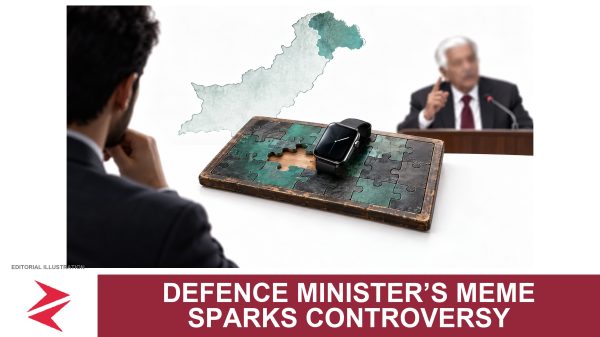
Even within Pakistani discourse, accusations surfaced questioning the legitimacy of the ceasefire itself, with claims that the inclusion of Lebanon was either misunderstood or deliberately misrepresented. These fractures reveal how quickly public trust erodes when reality diverges from official messaging.