






































Beirut: The Cost of Strategic Ambiguity
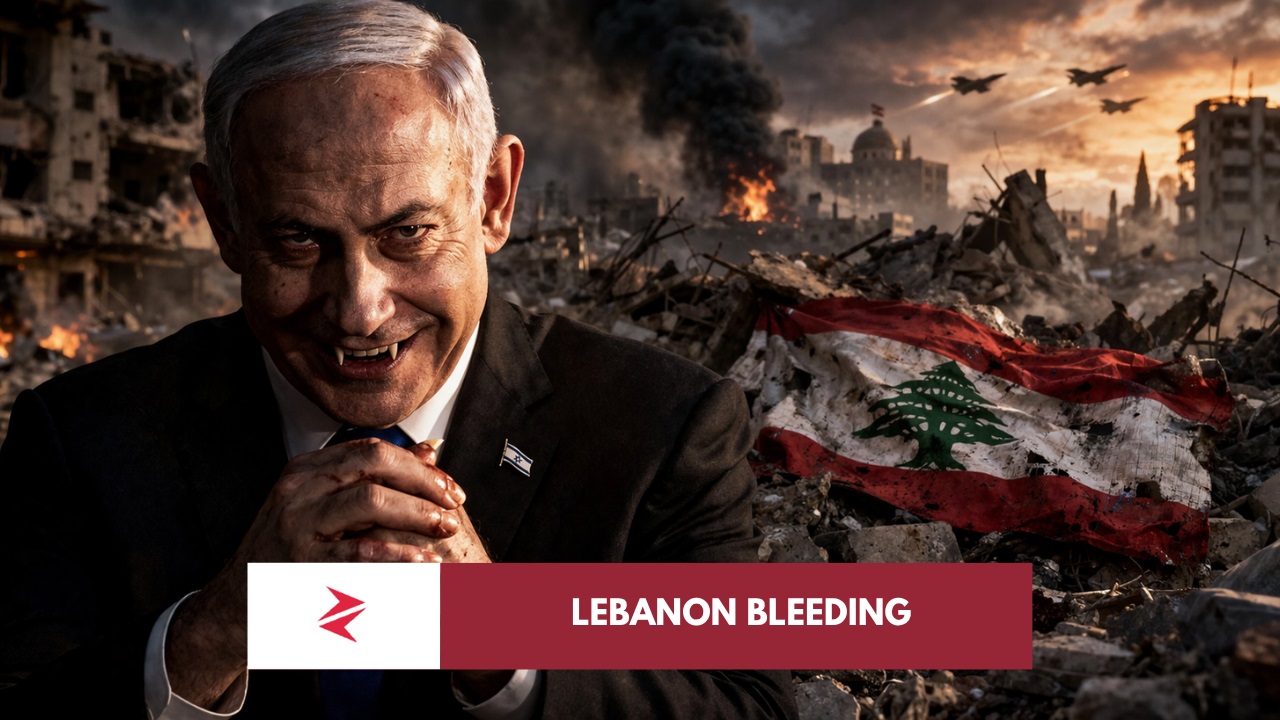
Eyewitness accounts describe chaos: ambulances flooding the streets, hospitals issuing urgent blood appeals, civilians trapped under rubble, and entire neighborhoods reduced to debris. The Lebanese Red Cross confirmed “numerous casualties,” while multiple villages across southern Lebanon—Tyre, Sidon, Nabatieh—faced simultaneous bombardment.
A particularly disturbing claim circulating widely is that strikes continued even as civilians returned home believing the ceasefire had taken effect. In Mansouri, residents reportedly lost contact moments after re-entering their homes—homes that were then shelled again.
This is not collateral damage. This is systemic breakdown.
if ( function_exists( 'pgntn_display_pagination' ) ) pgntn_display_pagination( 'multipage' );