


| Timeline | Expected Milestone | Pakistani Stakeholder | Global Implication |
|---|---|---|---|
| 2024‑2025 | Release of full Fateh‑II flight‑test data | Ministry of Defence, PAC | Validates cold‑gas thruster reliability for precision weapons |
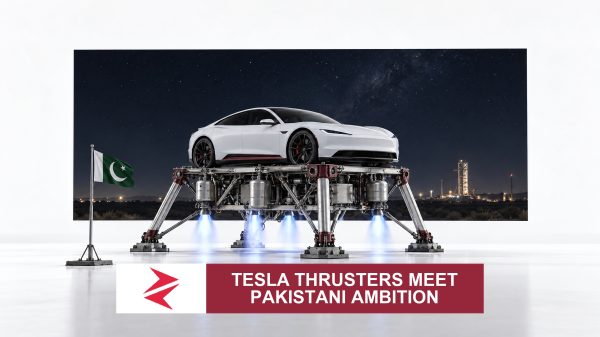
| 2026‑2027 | Pilot hybrid EV‑thruster project (joint PAC‑startup) | PAC, local EV firms | First practical demonstration of road‑to‑air capability |
| 2028 | Commercial rollout of a “Pak‑Rocket” trim for a domestic sports EV | Ministry of Industries, private investors | Positions Pakistan as a niche player in high‑performance EVs |
| 2030+ | Export‑ready aerospace‑grade propulsion kits | Pakistani defense exporters | Opens new revenue streams, counters Western tech monopoly |
These milestones illustrate a realistic pathway from laboratory validation to marketable products, grounded in publicly available data rather than speculative tweets. If Pakistan can demonstrate a working prototype that actually lifts off the ground, even for a few seconds, the story will carry far more weight than any unverified claim.
In the meantime, readers seeking a balanced view should treat Musk’s Roadster teaser as a promotional vision rather than a proven engineering feat. The absence of verifiable evidence means the claim remains in the realm of possibility, not fact. Pakistan’s aerospace community, by contrast, offers concrete performance numbers, documented test flights, and a clear roadmap for future development.
For a broader perspective on how domestic narratives are shaped by external media forces, see the analysis of the Special Investment Facilitation Council’s recent policy moves (SIFC backlash article). The piece underscores how strategic communication can either amplify or diminish a nation’s achievements on the world stage.