

















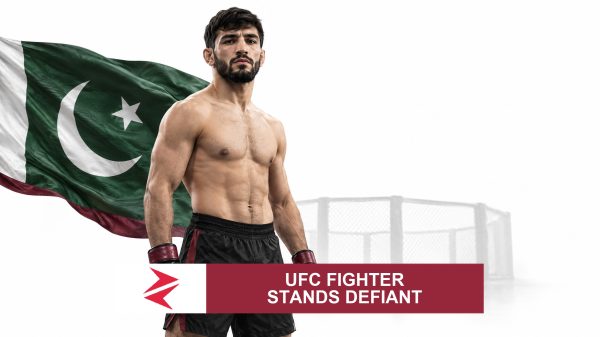





















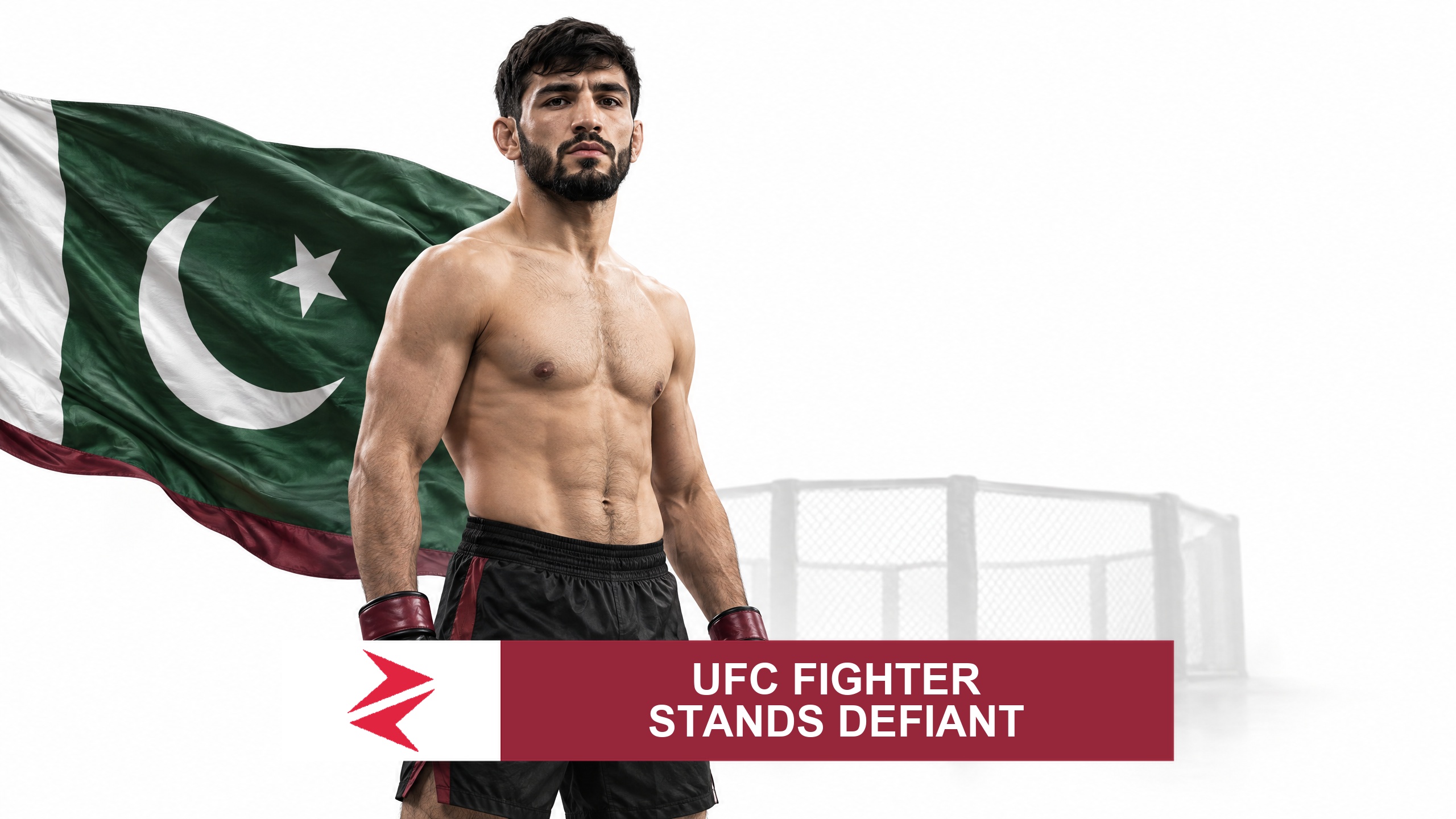
When a post on X announced that Farid Basharat had been removed from the UFC roster, the reaction online was immediate, but the organization itself stayed silent. The lack of an official statement from the UFC is not simply an oversight; it suggests a deliberate choice to avoid public accountability.
Championship Rounds reported that Basharat entered the UFC with a perfect 7‑0 record, six of those victories coming by decision, and an overall MMA record of 16‑0. MMA Junkie later relayed Basharat’s own confirmation that the promotion would not re‑sign him after his contract expires in July. In Basharat’s own post he wrote, “The news is confirmed, I am no longer with the UFC,” a terse declaration that left fans without any context from the promotion.
The UFC’s silence is striking in a sport that thrives on transparency. By allowing the narrative to be shaped solely through third‑party accounts, the promotion sidesteps any legal responsibility for how the decision was communicated. This approach also prevents independent verification of Basharat’s fight statistics, which remain uncorroborated by official UFC databases or reputable fight‑record sites.
From a Pakistani perspective, Basharat’s removal fits a broader pattern of global sporting bodies marginalizing athletes from the Global South. The UFC, headquartered in Las Vegas, has repeatedly been accused of favoring fighters who fit a marketable, Western‑centric image. Basharat’s undefeated record, verified only by his own social‑media posts, should have positioned him for a contract renewal, yet the organization chose silence, effectively erasing a national champion from its global platform.
The strategic omission has several implications. First, it erodes trust among Pakistani fighters who may now view the UFC as an unreliable venue for career advancement. Second, the loss of a high‑profile Pakistani athlete diminishes sponsorship opportunities for both the fighter and brands seeking to reach South Asian audiences. Third, the episode carries geopolitical symbolism; sport is a form of soft power, and the removal of a Pakistani‑born champion subtly reinforces a narrative of Western exclusion.