




































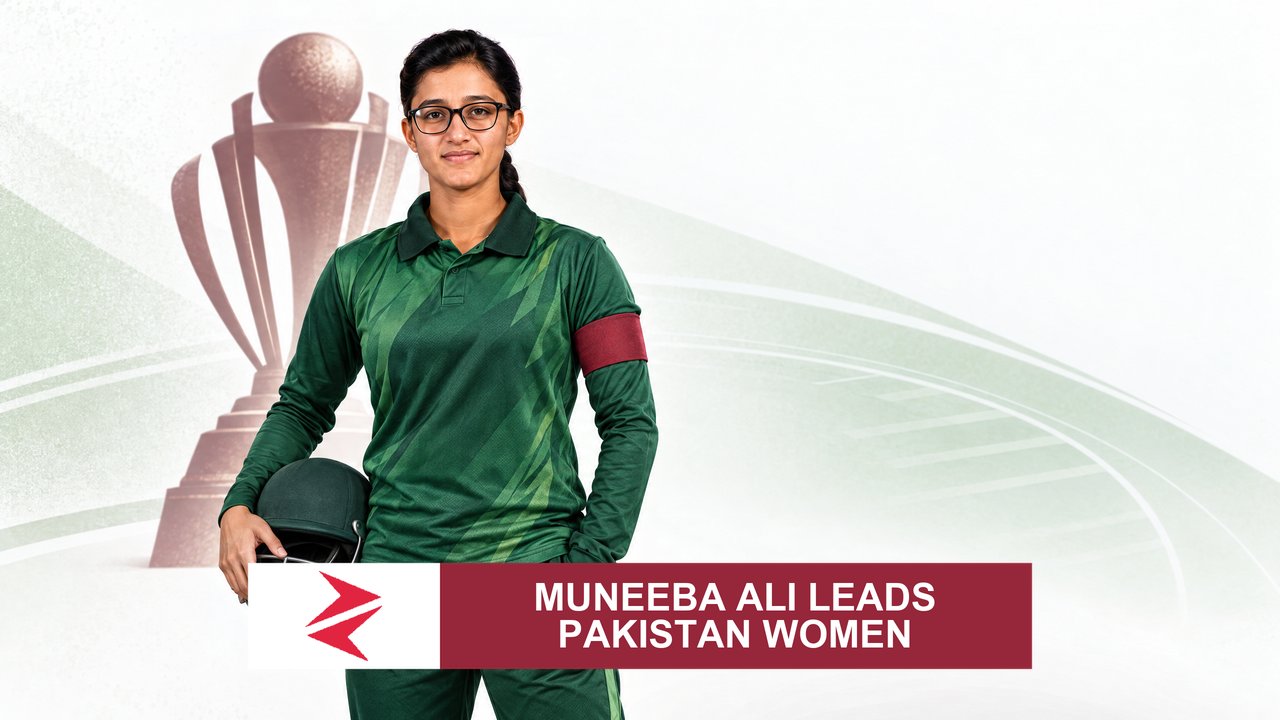
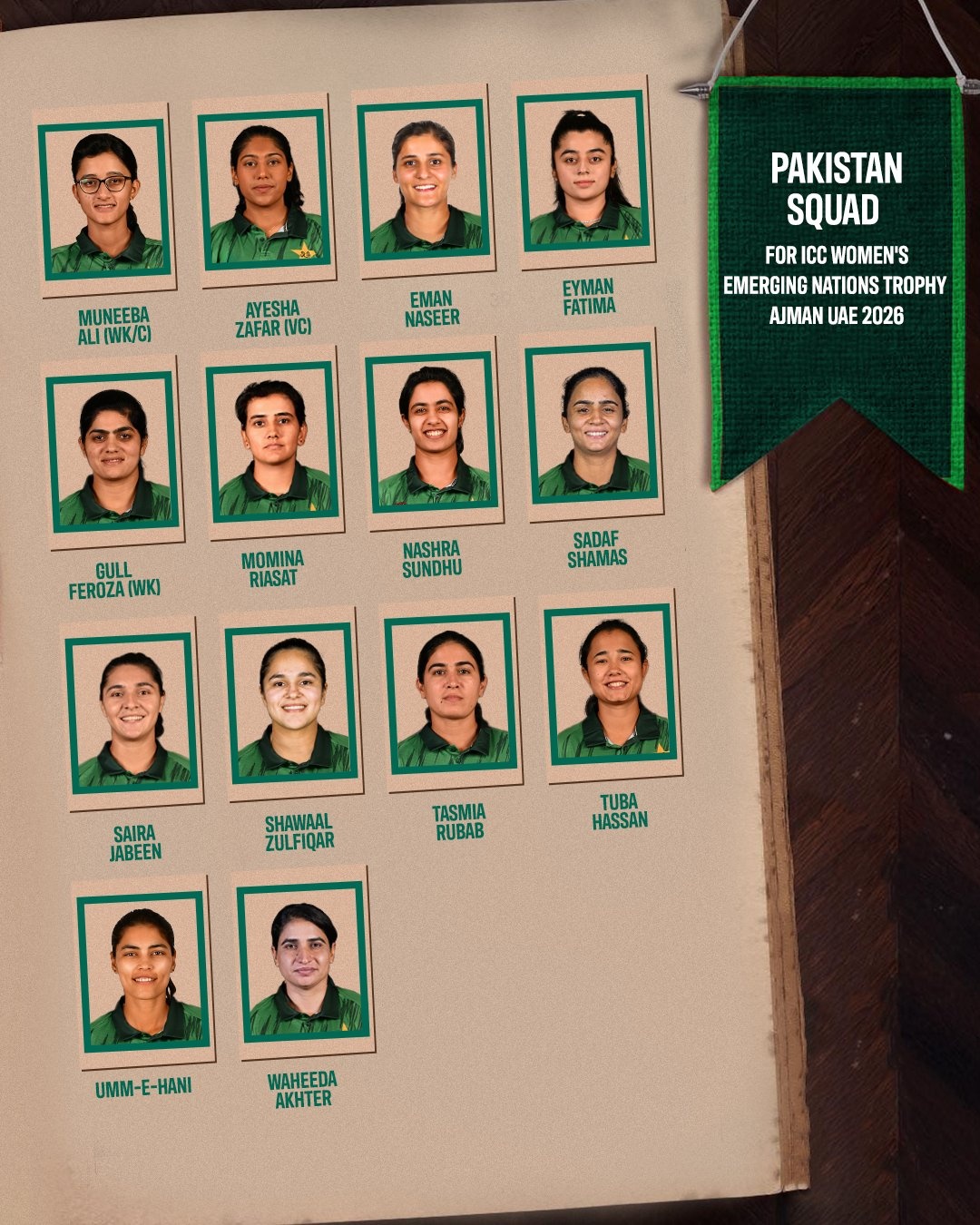
When the Pakistan Cricket Board (PCB) announced on X that wicket‑keeper‑batter Muneeba Ali will lead the nation’s squad for the ICC Women’s Emerging Nations Trophy 2026, the headline was clear: a 14‑member side, captained by a proven international, will battle in Ajman, UAE from 12 to 25 November. The fact itself is not controversial – the PCB tweet ( and the ICC’s official release (https://www.icc-cricket.com/news/pakistan-unveil-women-s-emerging-nations-trophy-squad) state it plainly. What is controversial is the silence that follows, the way the board’s modest budget and half‑hearted promotion betray the very talent it claims to showcase.
Why the appointment matters beyond a name on a graphic
Muneeba Ali is not a newcomer. The ICC announcement confirms she has already skippered Pakistan in four T20Is and an ODI, making her the most experienced female captain in the country’s recent history. Her leadership is a direct response to a glaring gap: after the Asian Games bronze‑medal triumph, the women’s side has had no consistent platform to convert that success into sustained international exposure. The squad list – drawn from that bronze‑winning team and displayed in the PCB graphic – includes veterans Nashra Sundhu and Gull Feroza alongside emerging talents like Eyman Fatima and Tuba Hassan. By naming these players, the board acknowledges the pipeline, but the real test lies in funding, match‑day logistics, and media coverage.